Butterfly Haircut Guide: Will the Layered Cut Suit You?
Thinking about a butterfly haircut? Compare face shape, hair texture, length, styling effort, bangs, maintenance, and try-on options before asking for bouncy layers.

· 13 min read
On this page
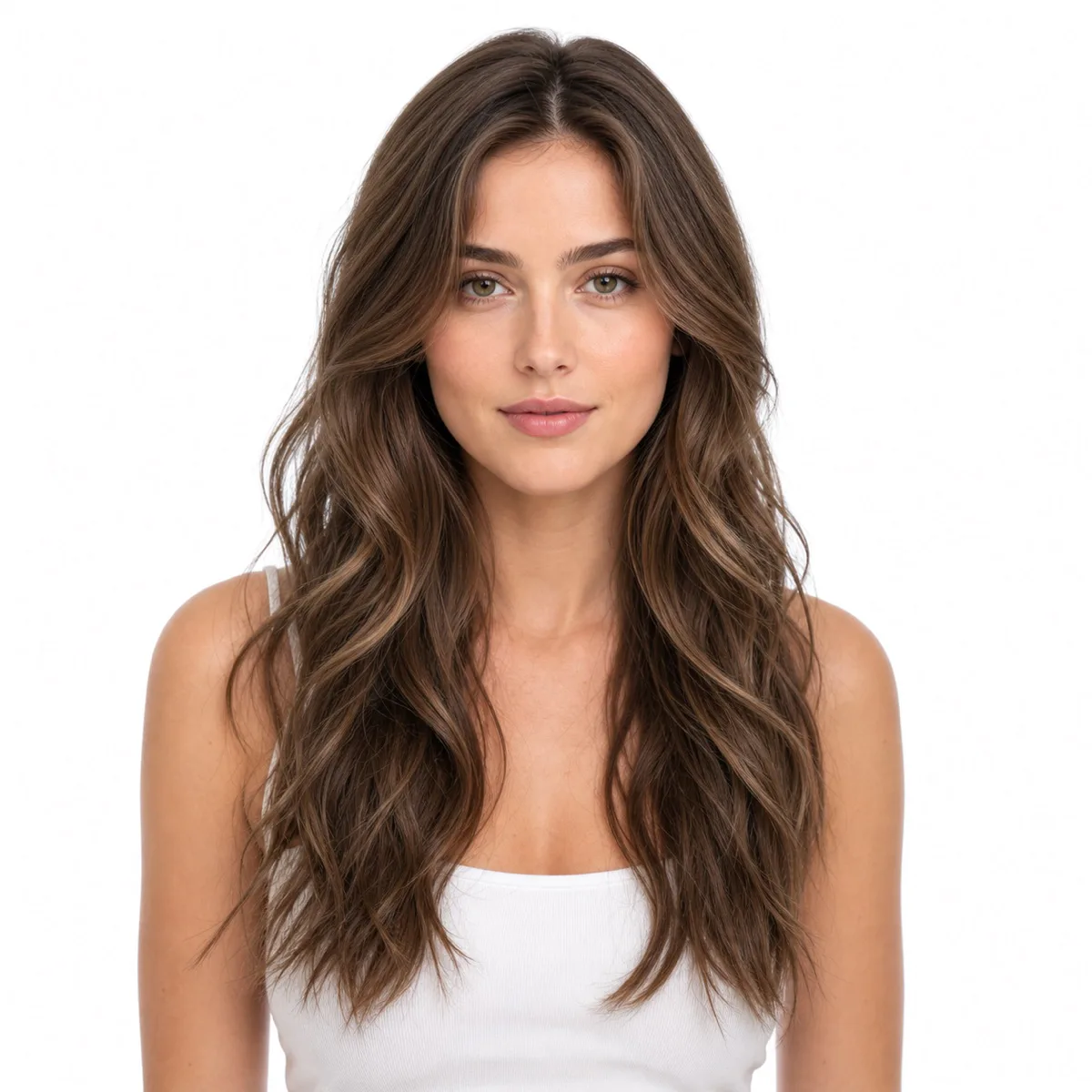
A butterfly haircut is a long layered cut that creates the feeling of shorter face-framing hair without giving up the length at the back. It can make long hair look lighter, bouncier, and more styled, especially when the front pieces open away from the face. The risk is that it depends on shape. If the shortest layers are too short, the ends are too thin, or your hair never holds a bend, the cut can look like two unrelated haircuts instead of one soft layered style.
The fastest way to avoid regret is to preview the shape first. Test feathered layers, long waves, and volume-lift options in HairWow Try-On, then bring your stylist a reference that matches your real hair density, not just a perfect blowout photo.
Key takeaways
- A butterfly haircut keeps long back length while adding shorter, bouncy layers around the face and upper body of the hair.
- It works best on medium to thick hair that can hold movement from a blow-dry, roller set, wave, or natural bend.
- Fine hair can wear a soft butterfly cut, but the perimeter must stay full.
- Curtain bangs are optional. Long cheekbone or jawline pieces can create the same face-framing effect with less commitment.
- The cut is more polished than a wolf cut and less choppy than a shag, so it suits people who want movement without a messy finish.
Definition: A butterfly haircut is a layered haircut where shorter front and top layers create airy movement while longer bottom layers preserve the look of length.
What is a butterfly haircut?
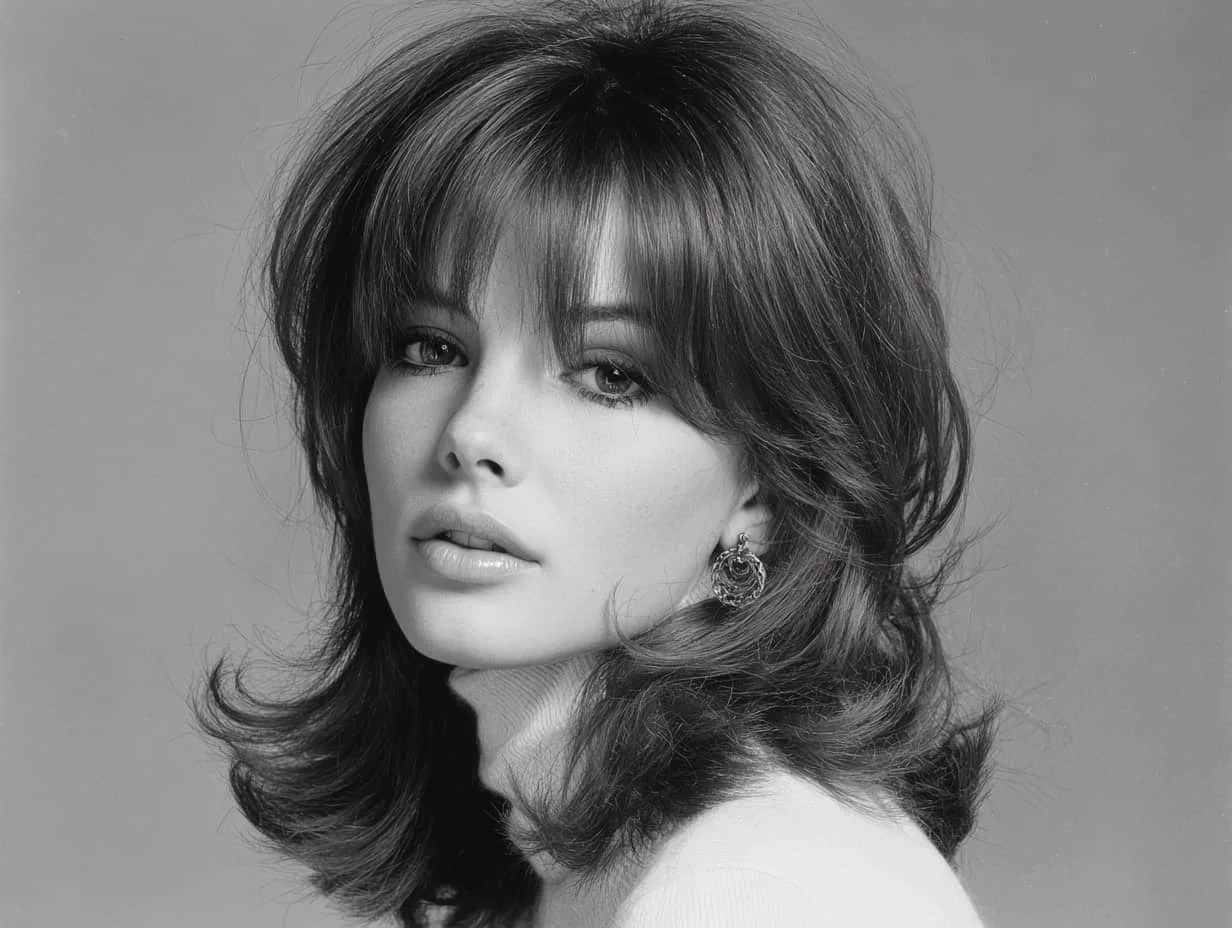
The butterfly haircut gets its name from the way the shorter front layers can open away from the face like wings. In salon language, it is usually a long layered haircut with face-framing pieces, lifted movement near the cheekbones or jaw, and longer back layers that keep the overall length intact.
The important part is the illusion. From the front, the cut can look like a shorter layered blowout. From the back, it still reads as long hair. That is why it appeals to people who want a noticeable change but are not ready for a bob, lob, wolf cut, or big chop.
The cut usually needs some styling to show its shape. A round brush, large rollers, a blow-dry brush, soft waves, or natural volume can all help. Air-dried straight hair may still look good, but the butterfly effect is less obvious.
Butterfly cut vs other layered cuts
Butterfly haircut searches often overlap with shag, wolf cut, curtain bangs, and face-framing layers. These cuts are related, but they solve different problems.
| Cut | Main shape | Best if you want | Main risk |
|---|---|---|---|
| Butterfly haircut | Long back length with shorter bouncy front layers | Volume and movement while keeping length | Needs styling to show the layers |
| Face-framing layers | A few front pieces around the cheek, jaw, or collarbone | Lower-risk softness around the face | May feel too subtle if you want a big change |
| Shag haircut | Choppy all-over layers with texture | Loose, undone movement | Can create frizz or thin ends if overcut |
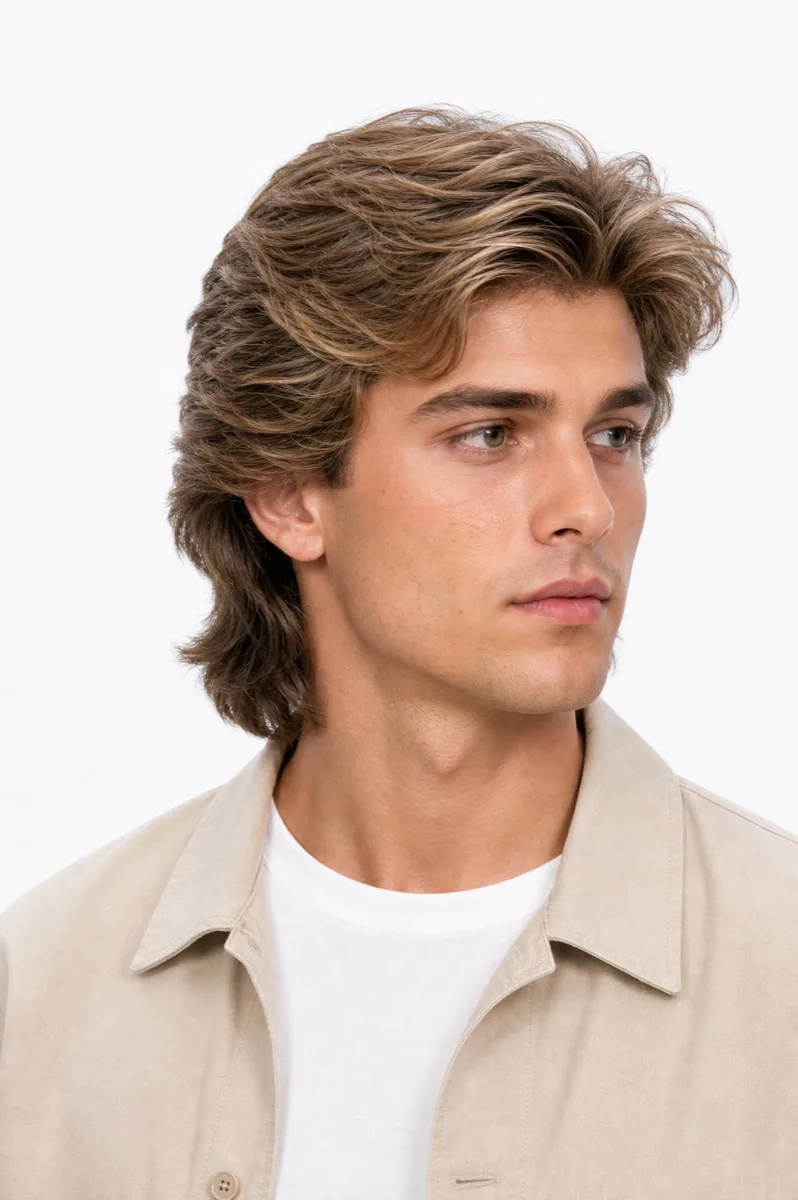
| Wolf cut | Shaggy crown plus longer back length | Edgier texture and visible layers | Can look disconnected if the crown is too short |
| Long layers | Blended layers through the lower length | Shape without changing the front much | Less dramatic around the face |
If you liked the idea of a wolf cut but want something softer, a butterfly haircut is usually the safer direction. If you only want a little movement around the face, start with face-framing layers instead.
Who is a good candidate?
You are a strong candidate if your hair is long enough to create contrast between the shorter front layers and the longer back length. Shoulder-length hair can wear a butterfly-inspired cut, but the classic version usually looks clearest on collarbone-length hair or longer.
The cut also works best when your hair has enough density to support layers. Medium and thick hair can lose weight without looking sparse. Fine hair needs a lighter version where the front moves but the bottom edge still looks full.
Use this quick fit check:
| Your hair situation | Butterfly haircut fit |
|---|---|
| Long thick hair that feels heavy | Strong candidate if you want movement and less bulk |
| Medium-density straight hair | Good candidate if you style the front pieces for bend |
| Wavy hair | Strong candidate because natural movement helps the layers show |
| Curly hair | Possible, but the stylist must plan for shrinkage and dry shape |
| Fine or thin hair | Choose long, soft layers and avoid aggressive thinning |
| Very damaged ends | Trim and rebuild the perimeter first, then add lighter layers |
| You wear a ponytail daily | Keep the shortest pieces long enough to tie back loosely |
If your main concern is that your hair looks flat, compare this cut with Haircuts for Thin Hair. Sometimes a fuller bob, soft lob, or lighter volume-lift style does more for density than long dramatic layers.
Best butterfly haircut by face shape
Face shape does not decide whether you are allowed to get a butterfly haircut. It helps decide where the shortest pieces should land. A good stylist will adjust the front layers, part line, and volume placement around your features.
| Face shape | Layer placement to test | Why it helps |
|---|---|---|
| Oval | Cheekbone to collarbone layers | Most placements work, so choose by styling effort |
| Round | Longer jawline and collarbone pieces, side or off-center part | Adds vertical flow without widening the cheeks |
| Square | Soft cheekbone pieces with rounded ends | Breaks up a strong jaw without hiding it |
| Heart | Curtain fringe or cheekbone layers that open outward | Balances a wider forehead and narrower chin |
| Long or oblong | More side volume, less height at the crown | Adds width so the face does not look longer |
| Diamond | Soft layers that start below the cheekbone | Avoids adding bulk at the widest point |
If you are not sure where you fit, start with the HairWow face-shape hairstyle guide. Then preview two versions: one with shorter cheekbone pieces and one with longer jawline pieces.
Hair texture matters more than the trend
Straight hair can make a butterfly haircut look sleek and polished, but the shape often needs heat styling or rollers to show the front layers. Ask for blended layers that can still fall smoothly when you do not style them.
Wavy hair is often the easiest match. The movement helps the layers separate naturally. A stylist can remove weight while keeping enough length to prevent the ends from looking stringy.
Curly hair needs more planning. The shortest layer on wet hair can spring much higher once dry. Ask your stylist to account for shrinkage and to keep the face pieces longer than the straight-hair reference photo suggests.
Coily hair can wear a butterfly-inspired shape, especially if the goal is a rounded layered silhouette rather than a straight blowout shape. The reference should match your curl pattern and density.
Fine hair requires restraint. The butterfly cut should be soft and long, not heavily razored. The perimeter matters more than the number of layers. If the bottom edge disappears, the cut will look thinner even if the front looks pretty in photos.
Does a butterfly haircut need bangs?
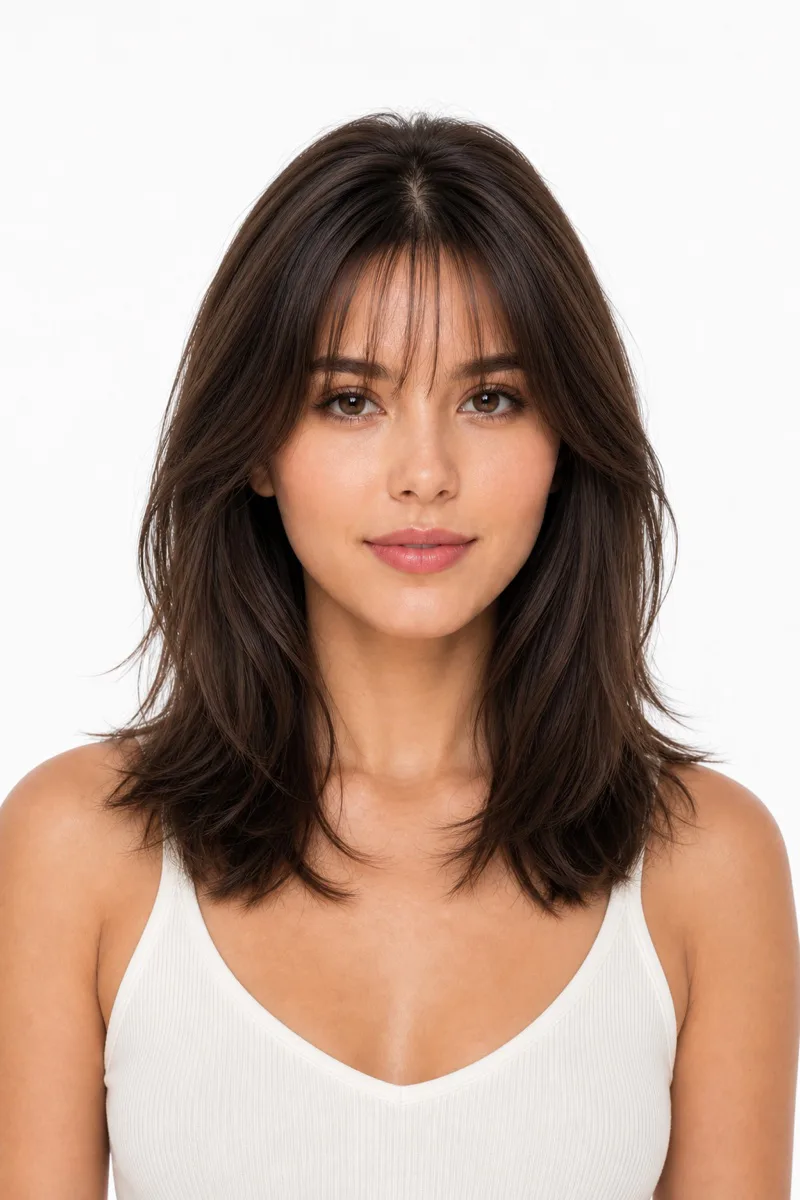
No. Many butterfly haircuts include curtain bangs because they help the front open away from the face, but bangs are not required. You can ask for long cheekbone pieces, jawline pieces, or collarbone-length face framing instead.
Curtain bangs are best if you already like styling the front of your hair. They can look great, but they also need trimming and direction. If you are nervous, read Should I Get Bangs? before committing to a shorter fringe.
If you want the most flexible version, ask for the shortest front piece to sit around the jaw or just below. It can still create the butterfly shape, but it is easier to tuck, clip, or tie back.
Preview the butterfly haircut first
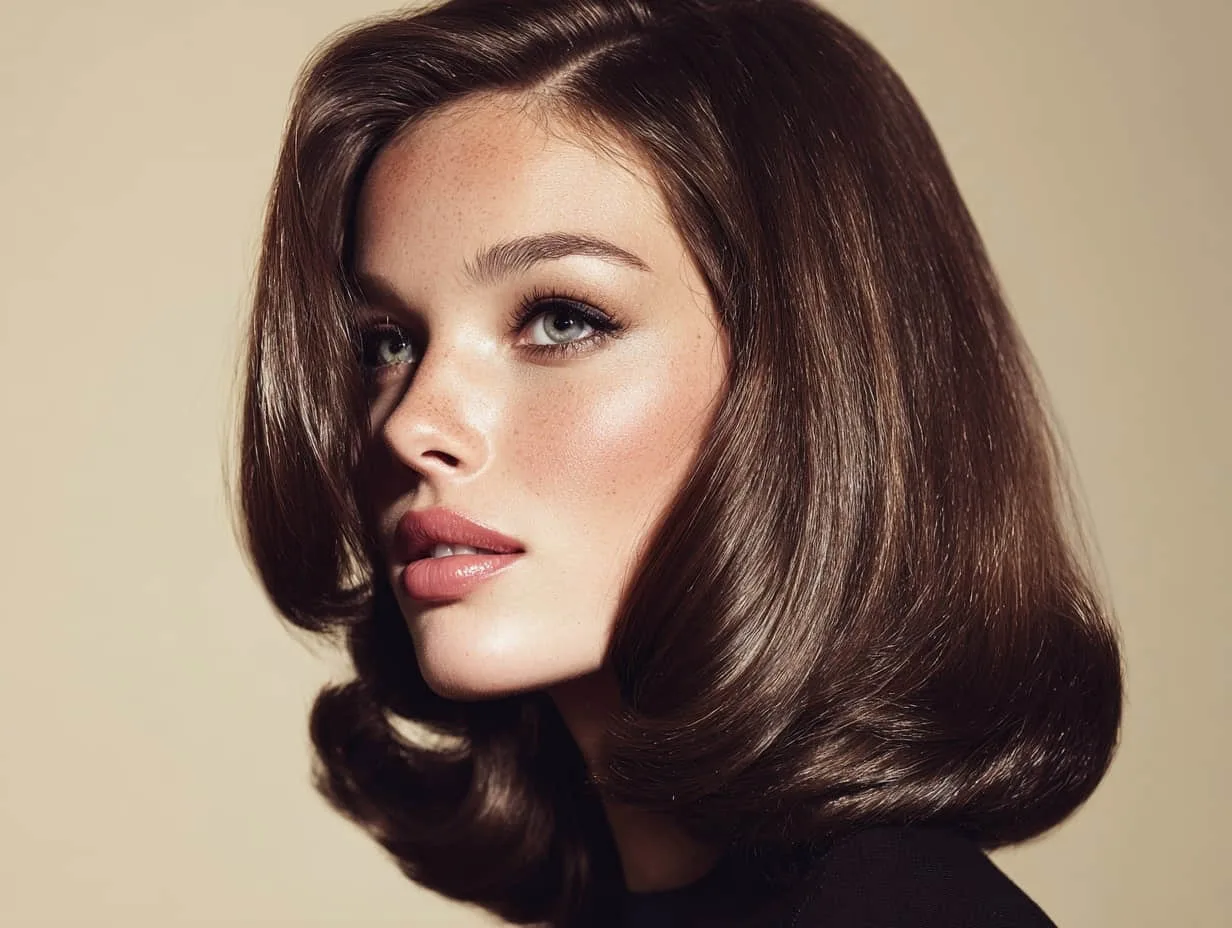
Most butterfly haircut reference photos are blow-dried, curved with a round brush, and photographed at the best angle. A preview should answer more practical questions:
- Do shorter front pieces flatter your cheekbones and jaw?
- Does volume near the sides help or widen your face?
- Do you prefer a center part, side part, or curtain opening?
- Can the shortest pieces still fit into your daily hairstyle?
- Does the cut look good when it is less polished?
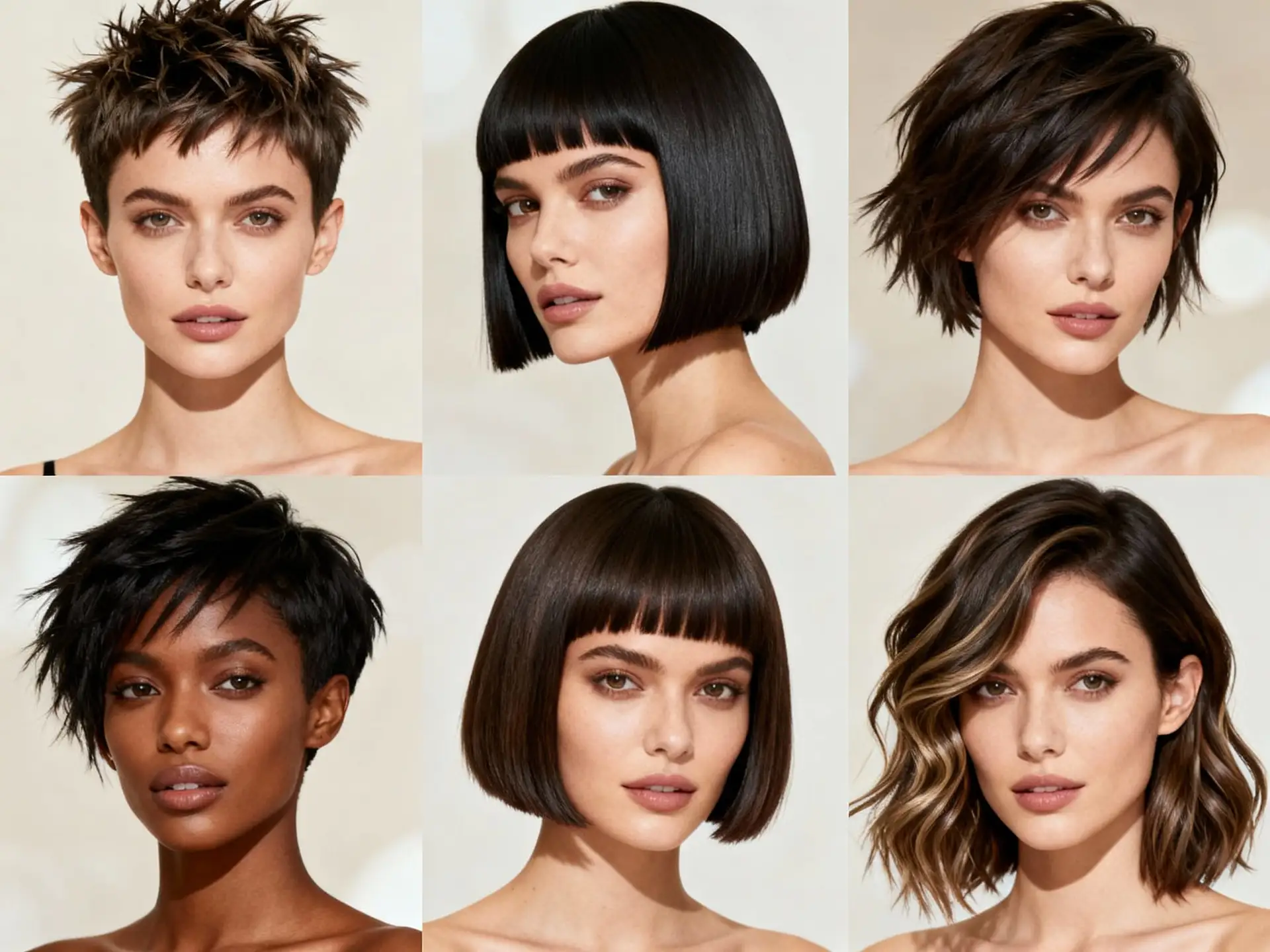
Try these directions before the salon:
After that, browse HairWow styles for related long layers, waves, and softer face-framing looks. If your hair is breaking, dry, oily, or flat at the root, run HairWow Hair Analysis before using layers to solve a hair-condition problem.
What to ask your stylist for
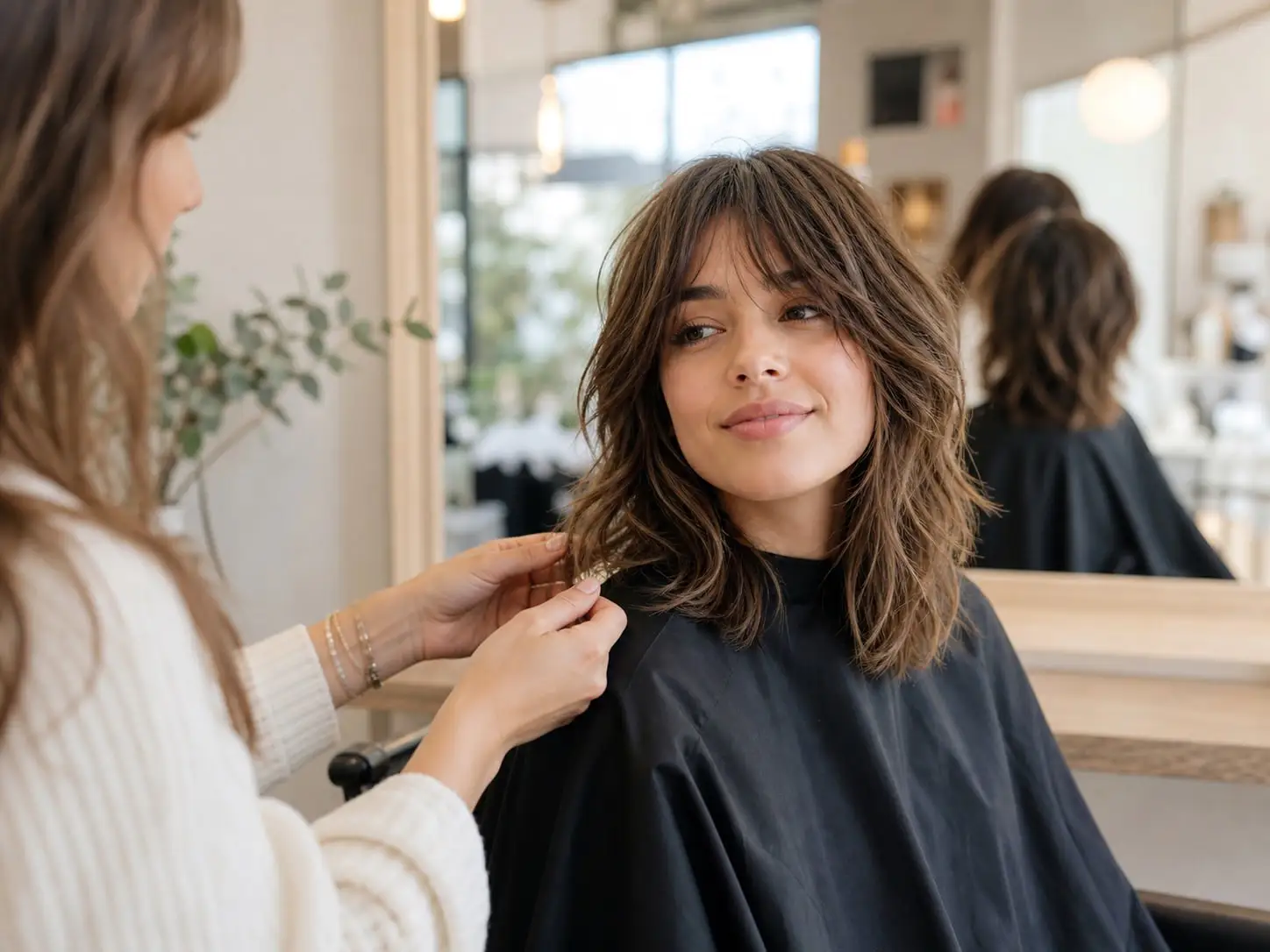
Do not just say "I want a butterfly cut." The term is popular, but different stylists may picture different versions. Bring one reference that shows the front, one that shows the side, and one that shows what you do not want.
For a classic long butterfly haircut:
"I want long blended layers with face-framing pieces that start around my cheekbone or jaw, while keeping the back length full."
For fine hair:
"Please keep the perimeter dense. I want soft movement around the face, but I do not want the bottom to look thin."
For thick hair:
"I want the layers to remove heaviness and create movement, but I still want the ends to look healthy."
For curly or wavy hair:
"Please plan the front pieces around my dry shape and natural shrinkage, not just the wet length."
Ask your stylist to show you where the shortest face piece, shortest top layer, and longest back layer will land before cutting.
Styling and maintenance
A butterfly haircut is not as high-maintenance as a short precision cut, but it is not completely effortless. The shape usually looks best when the front layers are encouraged to bend away from the face.
Simple styling options include:
- a round-brush blowout focused on the front pieces
- large rollers while the hair cools
- a blow-dry brush with the front rolled away from the face
- loose waves brushed out softly
- mousse or lightweight styling cream for wavy hair
Plan on trims every 8 to 12 weeks if you want the layers to keep their shape. If you add curtain bangs, the front may need a cleanup sooner.
Hair growth is gradual. Cleveland Clinic notes that scalp hair grows about 1 centimeter per month, so a too-short front layer can take several months to feel long again. That is why the consultation matters.
Also avoid hiding an awkward cut in the same tight ponytail every day. The American Academy of Dermatology warns that hairstyles that repeatedly pull on the hair can contribute to traction alopecia. If you need your hair back often, ask for longer face pieces that can be tied loosely.
Common butterfly haircut mistakes
The first mistake is choosing a reference with much thicker hair than yours. A dramatic layered blowout can make fine hair look sparse if copied exactly.
The second mistake is cutting the front too short. If the shortest piece lands above your comfort zone, the cut can feel like accidental bangs.
The third mistake is over-thinning the ends. A butterfly haircut needs movement, but it still depends on a healthy-looking lower layer.
The fourth mistake is assuming it will air-dry like the photo. If the reference is a round-brush blowout, the style is partly haircut and partly styling.
The fifth mistake is ignoring the side view. The front layers and back length should connect smoothly. If they do not, the cut can look like a short face frame attached to long hair.
FAQ
Is a butterfly haircut good for thin hair?
It can be, but the cut should stay soft and long. Avoid too many short internal layers and keep the bottom edge dense. If your ends already look sparse, try face-framing layers before a dramatic butterfly cut.
Is a butterfly haircut good for round faces?
Yes, especially when the shortest pieces sit around the jaw or collarbone and the style has some vertical movement. Avoid too much width directly at the cheeks.
Is a butterfly cut the same as face-framing layers?
No. Face-framing layers can be part of a butterfly cut, but a butterfly haircut usually has a stronger long-layer structure through the whole shape.
Does a butterfly haircut work without styling?
It can, but it will look softer and less bouncy. If your hair is very straight and flat, expect to style the front pieces when you want the full butterfly effect.
Can curly hair get a butterfly haircut?
Yes, but the layers need to be planned around shrinkage and curl pattern. Ask for longer front pieces than the reference photo if the model has straight or blow-dried hair.
How do you grow out a butterfly haircut?
Keep the ends clean while letting the shortest front pieces catch up. It can grow into long layers, curtain layers, or a collarbone cut if trims are planned carefully.
Bottom line
A butterfly haircut is worth trying if the part you like is the swing around the face, not just the perfect salon blowout in the photo. The cut should still look connected when the hair is brushed straight, pulled half back, or left a little flatter on a normal weekday.
Before you book, do one small check: take a current photo of your hair down, then mark where you would be comfortable with the shortest front piece. Cheekbone, jaw, and collarbone layers create very different feelings. If you would panic at cheekbone-length pieces, ask for a longer butterfly cut and let the movement come from styling.
Here is a simple salon note you can reuse:
"I want a long butterfly-style layered cut. Keep my back length and bottom edge full, add soft face-framing movement, and do not cut the shortest front piece above the point we mark together."
That one sentence keeps the useful part of the trend while protecting the length you actually care about.