Pixie Cut Guide: How to Know If Short Hair Will Suit You
Thinking about a pixie cut? Compare face shape, hair texture, upkeep, grow-out risk, and try-on options before you go short.

· 13 min read · Updated
On this page
A pixie cut will suit you if the shape supports your face, hairline, texture, and daily styling tolerance. The safest version is not always the shortest one. Most people should test a soft pixie, textured pixie, long pixie, or pixie-bob first, then decide how much ear, forehead, neck, and cheekbone they actually want to show.
The big shift is not just length. A pixie changes how visible your face shape, brows, jawline, hairline, glasses, earrings, and neckline become. That can look clean and expensive. It can also feel exposed if the cut is too short in the wrong place.
Will a pixie cut suit me?
Start with the parts of your face you want the cut to frame. Compare how much forehead, ear, cheekbone, and neck is visible, then check whether your natural texture can hold that shape. You do not need a particular face shape to wear a pixie; you need the right length in the right places.
- Unsure about going short? Compare a long pixie or pixie-bob before a close crop.
- Want lift in fine hair? Look for a soft top that keeps enough density instead of thinning every section.
- Have thick hair? Compare the tapered and bixie options in our pixie haircuts for thick hair guide.
- Have waves or curls? Check the dry outline and how much the front springs up. Our wavy pixie cut guide explains how wave direction changes a short outline.
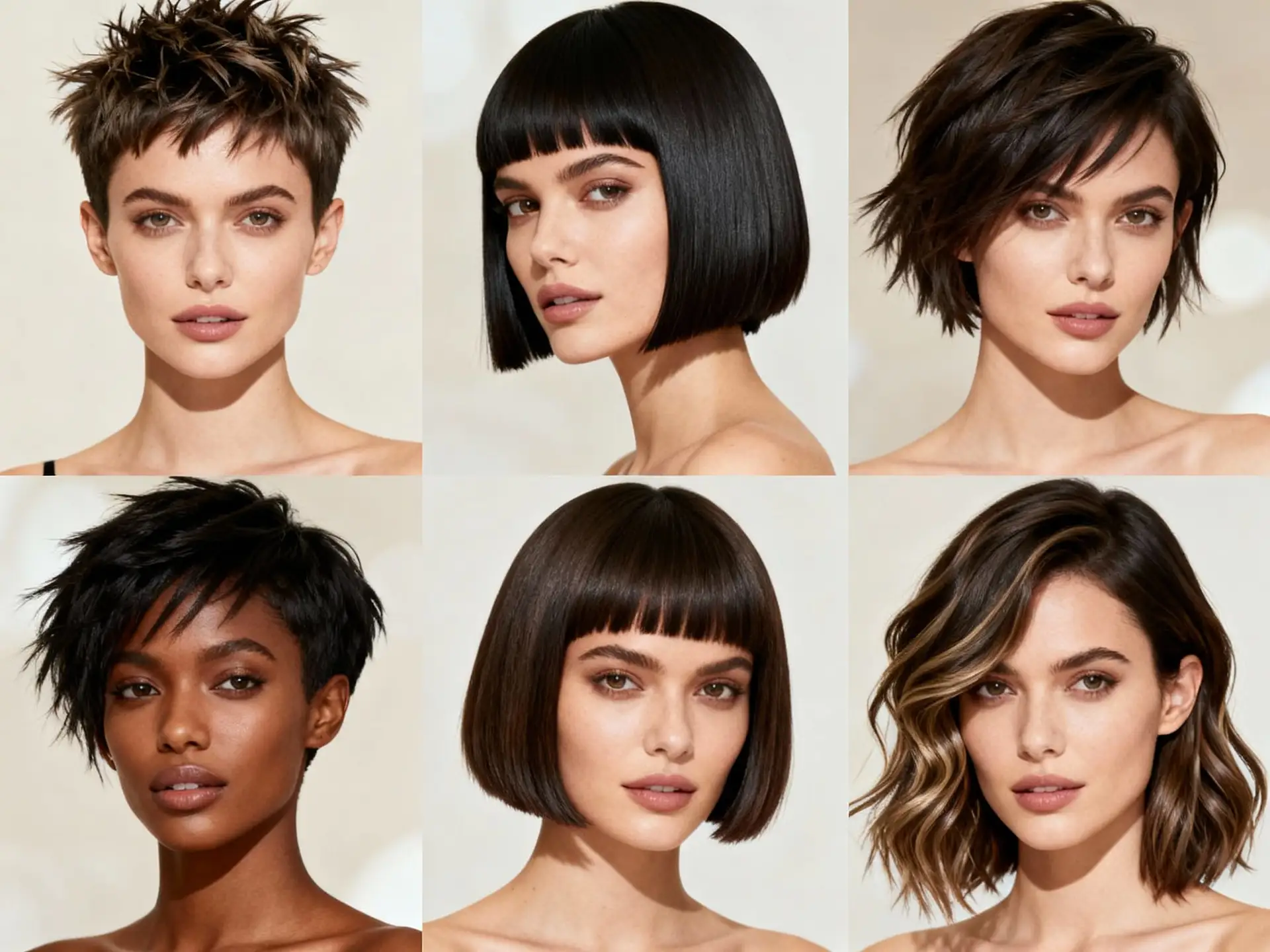
Use the examples below to choose two shapes to preview before discussing the actual cut with a stylist.
Key takeaways
- A pixie cut is a face-framing decision, not just a short-hair decision.
- Long pixies and pixie-bobs are safer first steps than ultra-short crops.
- Fine hair often benefits from a pixie because shorter hair can look fuller, but over-thinning the top can ruin the shape.
- Curly and wavy pixies need shrinkage planned into the length.
- Preview the cut in HairWow Try-On before cutting, then bring one saved image and one real salon reference to your stylist.
Definition: A pixie cut is a short haircut where the hair is cropped close around the sides, back, or ears, while the top and fringe can stay soft, textured, long, curly, or piecey depending on the shape.
Start with the version of pixie you mean
People say "pixie cut" as if it is one haircut. It is not. A soft long pixie and a micro crop can look completely different on the same face.
Use this quick map before you save reference photos:
| Pixie type | Best for | Be careful if |
|---|---|---|
| Soft pixie | First-time short hair, fine hair, oval or heart faces | You need strong volume at the crown |
| Long pixie | Nervous first cut, round faces, glasses wearers | You want a dramatic change |
| Pixie-bob | Growing out a bob, thick hair, low-risk short cut | You want ears fully visible |
| Textured pixie | Fine hair, wavy hair, casual styling | Your hair frizzes when over-layered |
| Curly pixie | Natural waves or curls, strong texture | Your stylist does not cut for shrinkage |
| Buzzed pixie | Bold style, strong bone structure, minimal styling | You are unsure about forehead or hairline exposure |
If you are torn between two versions, start longer. A stylist can remove more length. You cannot add back a missing side piece before next month.
Pixie cuts by face shape
Face shape should guide where the pixie keeps softness. It should not trap you into one rule.
| Face shape | Pixie direction to test | Why it tends to work |
|---|---|---|
| Oval | Soft pixie, cropped pixie, textured pixie | Most proportions work, so choose by texture and maintenance |
| Round | Long pixie, side-swept fringe, height at crown | Adds vertical shape and avoids making the cheeks look wider |
| Square | Soft side fringe, piecey top, longer temple pieces | Softens the jaw without hiding the structure |
| Heart | Long fringe, pixie-bob, side part | Balances a wider forehead and narrower chin |
| Long or oblong | Brow-skimming fringe, side volume, softer crop | Adds width and avoids making the face look longer |
| Diamond | Cheekbone-softening side pieces, textured top | Reduces sharp contrast around cheekbones |
If you do not know your face shape, use the HairWow face-shape hairstyle guide first. Then test the pixie on your own photo instead of judging from a celebrity with different cheekbones, hair density, and camera angles.
Hair texture changes the answer
Straight hair shows every line of a pixie. That can look sharp, but it leaves less room for a bad outline. Fine straight hair usually needs texture without too much thinning.
Wavy hair can make a pixie look effortless because the top has movement. The risk is bulk at the sides. Ask for shape that lets the wave lift without creating a triangle.
Curly hair can wear a pixie beautifully, but length must be planned dry or close to your normal styled state. A curl that looks long wet can spring much shorter after drying.
Coily hair can look strong in a cropped shape, especially when the outline is clean. The key is choosing a stylist who understands shrinkage, density, and edge shape.
Thick hair usually needs weight removed in the right place. Fine hair usually needs weight preserved in the right place. Those are opposite requests, so do not bring only one inspiration photo.
The maintenance question
A pixie can be easy day to day, but it is not always low maintenance. Short hair shows shape changes quickly.
You are a better fit if:
- you are comfortable showing your neck and ears;
- you can style the front section in a few minutes;
- you are willing to trim every 4 to 8 weeks if the shape is precise;
- you like earrings, glasses, makeup, or neckline details being more visible;
- you want a deliberate cut, not just less hair.
You may want to wait if:
- you need to tie your hair back for work or workouts;
- you hate product in your hair;
- your hairline grows in several directions at the front;
- you have a major event in the next two weeks;
- you are cutting short only because your current hair feels boring.
Cleveland Clinic explains that scalp hair grows about 1 centimeter per month. That matters with a pixie because even a small length choice can take months to feel different.
Pixie cut ideas to test first
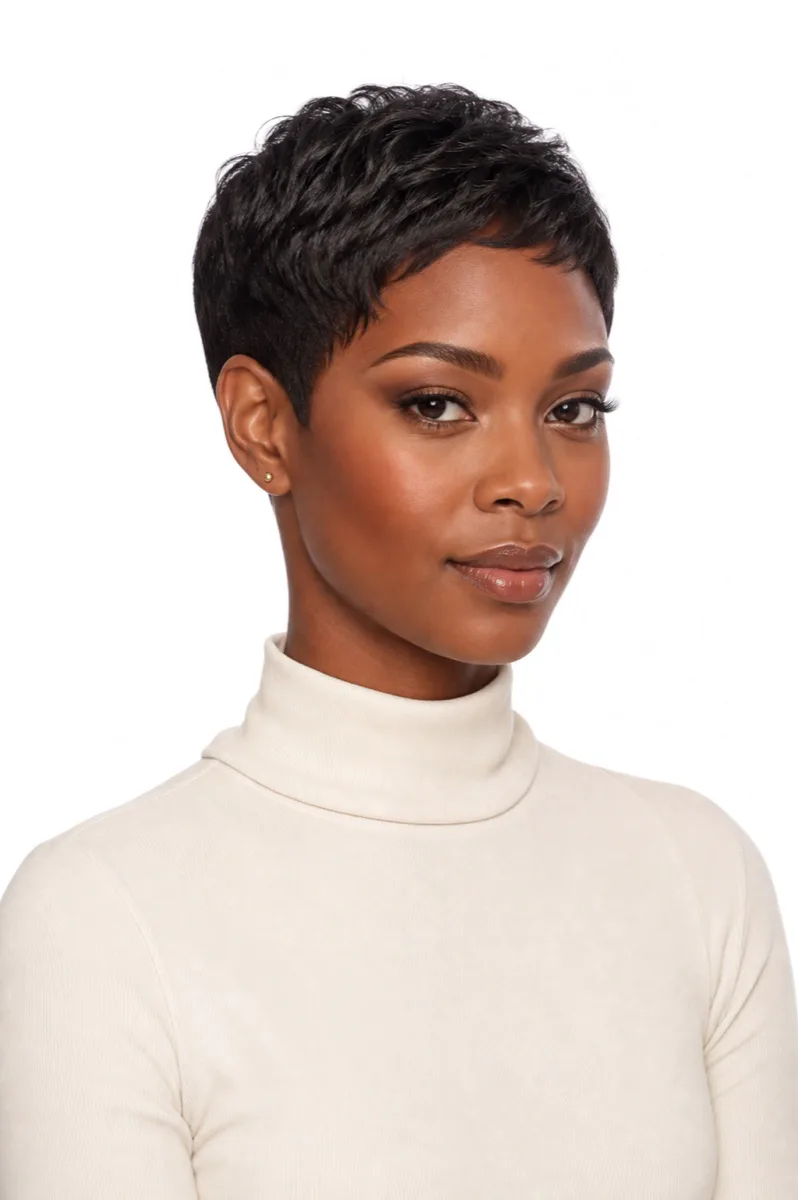
1. Soft textured pixie
This is the best first test for many people. The sides are short but not severe, and the top has enough movement to avoid looking flat.
It works well for fine hair, straight hair, and light waves. Ask for texture that looks piecey, not shredded.
2. Long pixie
A long pixie keeps more fringe and side softness. It is the safer choice if you are worried about your forehead, ears, or jawline feeling too exposed.
This is also easier to grow into a short bob later.
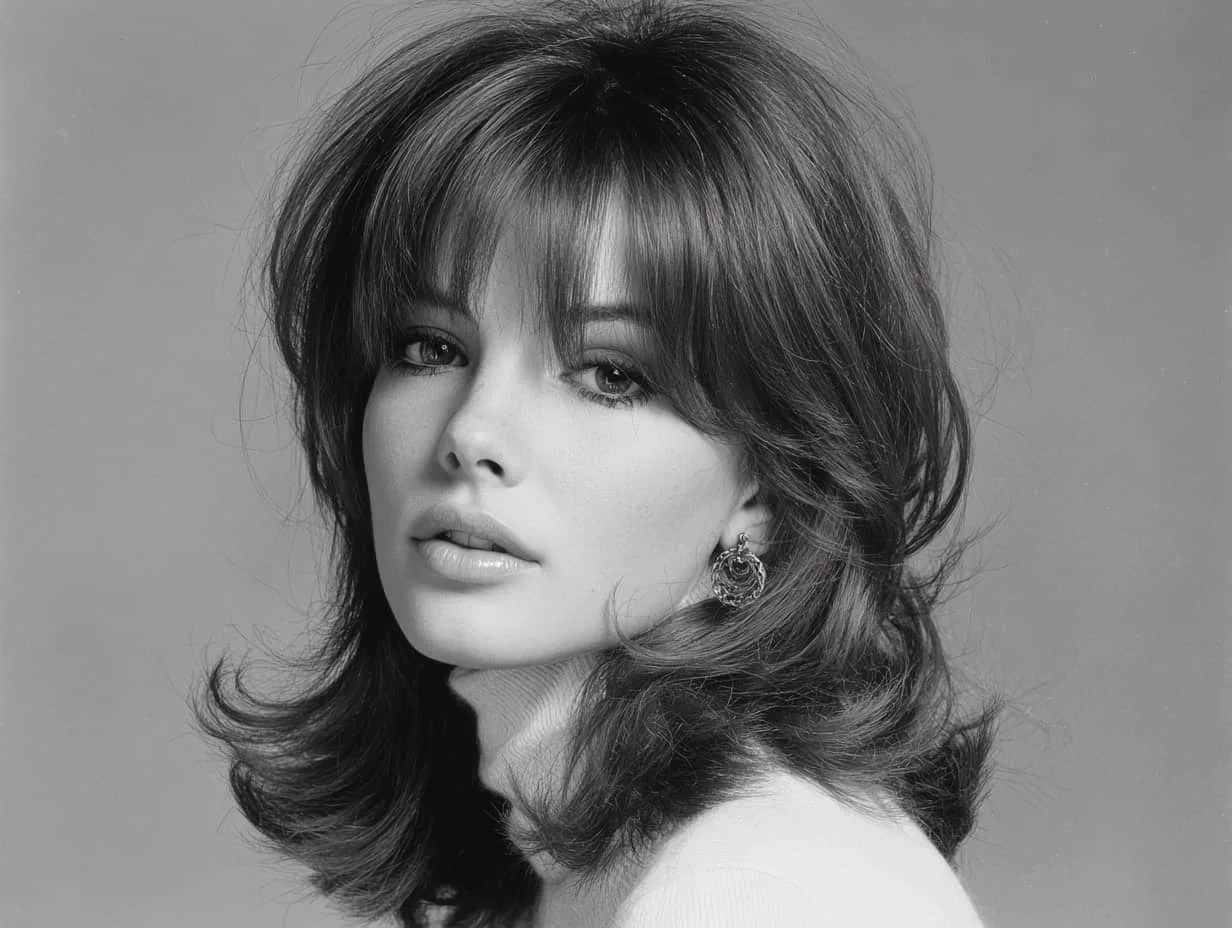
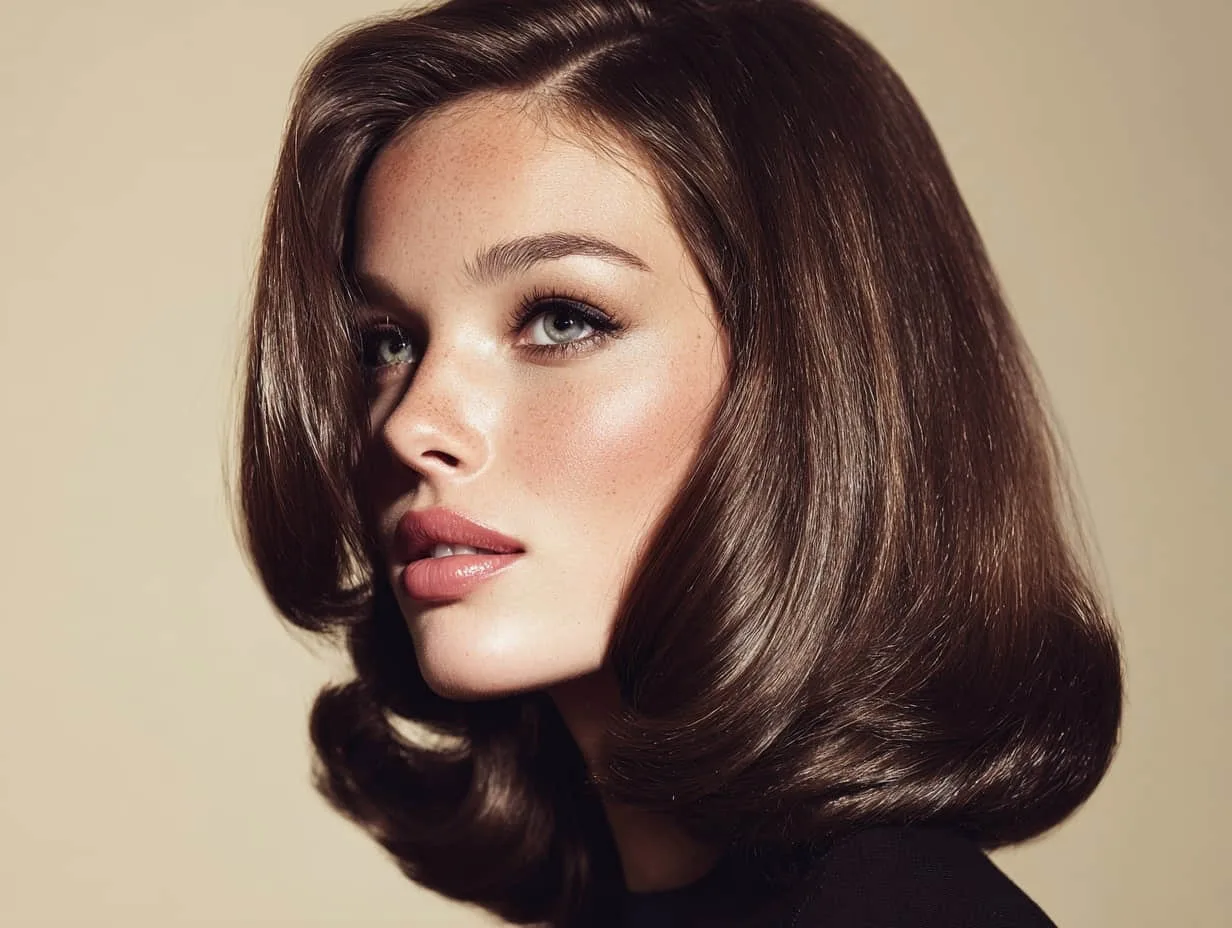
3. Pixie-bob
A pixie-bob is the bridge between a bob and a crop. The back and sides are shorter, but the front still has enough length to tuck, sweep, or soften the face.
Choose this if you want the energy of short hair without the shock of an ultra-short cut.
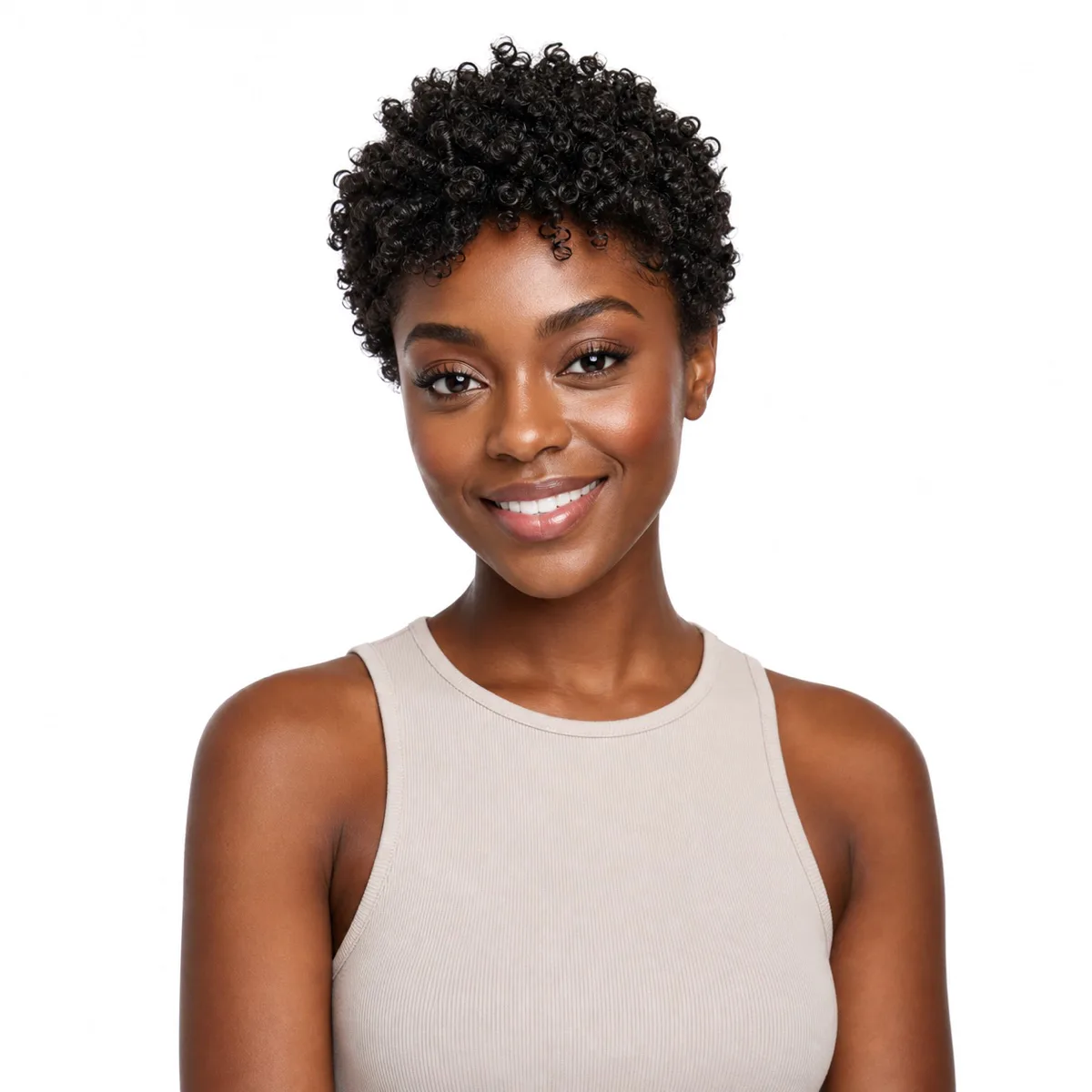
4. Curly pixie
A curly pixie is all about shape. The top should have room to curl, and the sides should not puff wider than the face unless that is intentional.
Cutting curly hair too short while wet is the common mistake. Ask your stylist how they will account for shrinkage.
5. Side-swept pixie
A side-swept pixie adds diagonal movement. It is good for round, square, and heart-shaped faces because the fringe can soften width or forehead height.
This version needs a clear part direction. If your hairline fights the sweep, the style may require more product than you expect.
6. Micro pixie
A micro pixie is bold and clean. It can look modern, but it gives you the least room to hide behind hair.
Choose it only if you already like short styles, your stylist understands your hairline, and you have previewed the shape from the front and side.
7. Color pixie
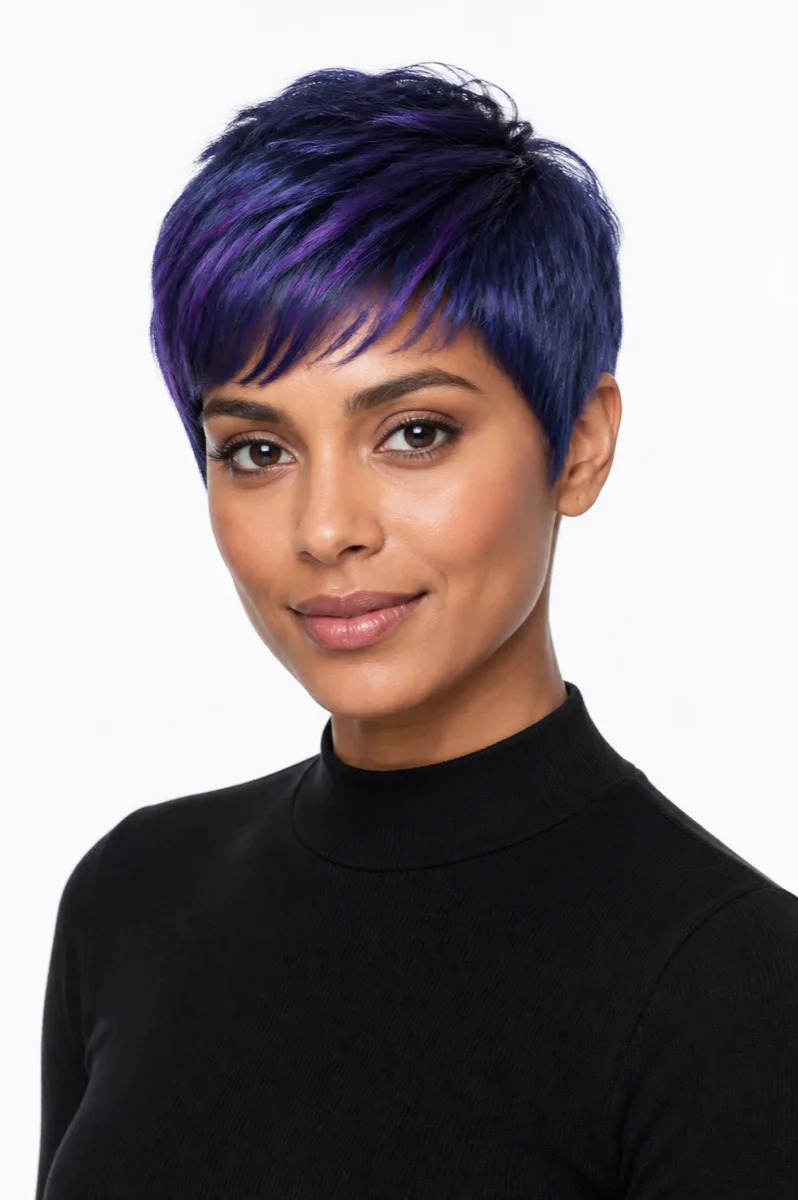
Short hair can make color feel more intentional because there is less length to overwhelm the face. A blue-purple, copper, blonde, or dark glossy pixie can look sharp when the cut itself is balanced.
Color also draws attention, so test the cut first and the color second unless you already know you like both.
How to style a short pixie haircut
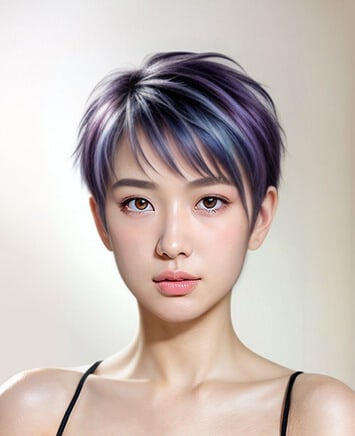
Reset the direction of the fringe while it is damp, then shape the top with your fingers or a small brush. Let the natural part guide the front instead of forcing every piece in the opposite direction. Add styling product a little at a time so the top keeps its movement.
For waves and curls, keep the texture you want to wear day to day when judging the finished length. For fine hair, compare root lift with separated ends; for thick hair, check whether the sides sit close without losing softness.
Growing out a pixie cut
Tell your stylist whether your next goal is a longer pixie, a pixie-bob, or a bob. The fringe, sides, and nape reach those shapes at different times. Ask which pieces to preserve and which edges need tidying, rather than cutting the whole style back to the same starting length at every appointment.
Compare a bob with a longer front when the front pieces begin to reach the jaw. Side-swept styling can help connect the shorter and longer sections while they grow.
What can go wrong with a pixie cut?
The most common problem is not "short hair looks bad." It is that the wrong part of the cut is too short.
Watch for:
- sides cut too tight for your face width;
- fringe cut too short before checking your hairline;
- too much thinning on fine hair;
- too much bulk left on thick hair;
- crown layers that stick up instead of lifting softly;
- a nape shape that does not match your neck and jawline.
If you are dealing with sudden shedding, patchy loss, or a widening part, treat that separately from the haircut choice. The American Academy of Dermatology explains that shedding 50 to 100 hairs a day can be normal, but sudden or noticeable hair loss is a reason to get medical advice rather than relying on a cut to solve it.
Preview a pixie before the salon
Reference photos are not enough because a pixie exposes your actual proportions. The same cut can look soft on one person and severe on another.
Use HairWow Try-On like a fitting room:
- Upload a clear front-facing photo with your hair away from your face.
- Test a soft pixie, short curly crop, and color pixie.
- Compare the forehead, cheekbones, ears, jawline, and neck.
- Save the version that still looks like you without heavy styling.
- Bring that saved preview plus one real stylist reference.
You can also browse HairWow styles if you want to compare a pixie with a bob, bangs, a shag, or longer layers before cutting. If hair condition is part of the decision, run HairWow Hair Analysis before choosing the final length.
What to tell your stylist
Do not walk in and say "pixie cut" by itself. That leaves too much room for interpretation.
Try this:
"I want a soft textured pixie, but I do not want the sides or fringe too short on the first cut. I want enough length around the front to soften my face while we see how short hair suits me."
For fine hair:
"Please keep the top light but not over-thinned. I want movement without making the hair look sparse."
For curly hair:
"Please account for shrinkage and check the shape close to how I normally wear my curls."
For a bold crop:
"I am comfortable with a stronger pixie, but I want to check the sideburns, fringe, nape, and side profile before we finish."
That kind of brief gives your stylist decisions they can actually use.
FAQ
Will a pixie cut make me look older?
Not automatically. A pixie can look fresh when the shape has softness, movement, and the right fringe length. It can look severe if the sides are too tight, the crown is too flat, or the fringe fights your face shape. The better question is which pixie version suits your proportions.
What face shape looks best with a pixie cut?
Oval faces can wear many pixie shapes, but round, square, heart, long, and diamond faces can also work with the right adjustments. Round faces often need height or side-swept movement. Square faces often need softness near the temples. Long faces usually need fringe or side volume.
Is a pixie cut good for thin hair?
Yes, a pixie can be good for thin hair because shorter hair is lighter and can look fuller at the top. The risk is over-texturizing. Fine hair usually needs controlled movement, not heavy thinning shears. Preview the cut and ask your stylist to preserve enough weight.
How often do pixie cuts need trims?
Most pixie cuts need a trim every 4 to 8 weeks, depending on how precise the shape is. A very short crop may need maintenance sooner. A long pixie or pixie-bob can stretch longer because the grow-out is softer and less obvious.
Can curly hair have a pixie cut?
Yes. Curly pixies can look great when the cut is planned around shrinkage, curl pattern, and volume. Ask your stylist to check the length dry or close to your normal styled state. Do not use a straight-hair pixie reference if you wear curls natural.
What if I regret a pixie cut?
You can soften the fringe, change the part, add texture, or grow it toward a pixie-bob. The hardest part is usually the first grow-out stage around the ears and nape. Starting with a long pixie reduces regret because there is more length to reshape.
Summary
A pixie cut is worth trying when the shape fits your face, hairline, texture, styling routine, and grow-out tolerance. Start with the version of pixie you actually mean, preview it on your own photo, then bring a specific brief to your stylist.
If you are still unsure, choose a long pixie or pixie-bob first. You will still feel the change, but you will have more room to adjust.