Long Front, Short Back Bob: How to Choose the Right Angle
Compare A-line, inverted, stacked, and graduated bob shapes before you cut. Use face shape, texture, maintenance, and salon wording to choose the right version.

· 12 min read

On this page
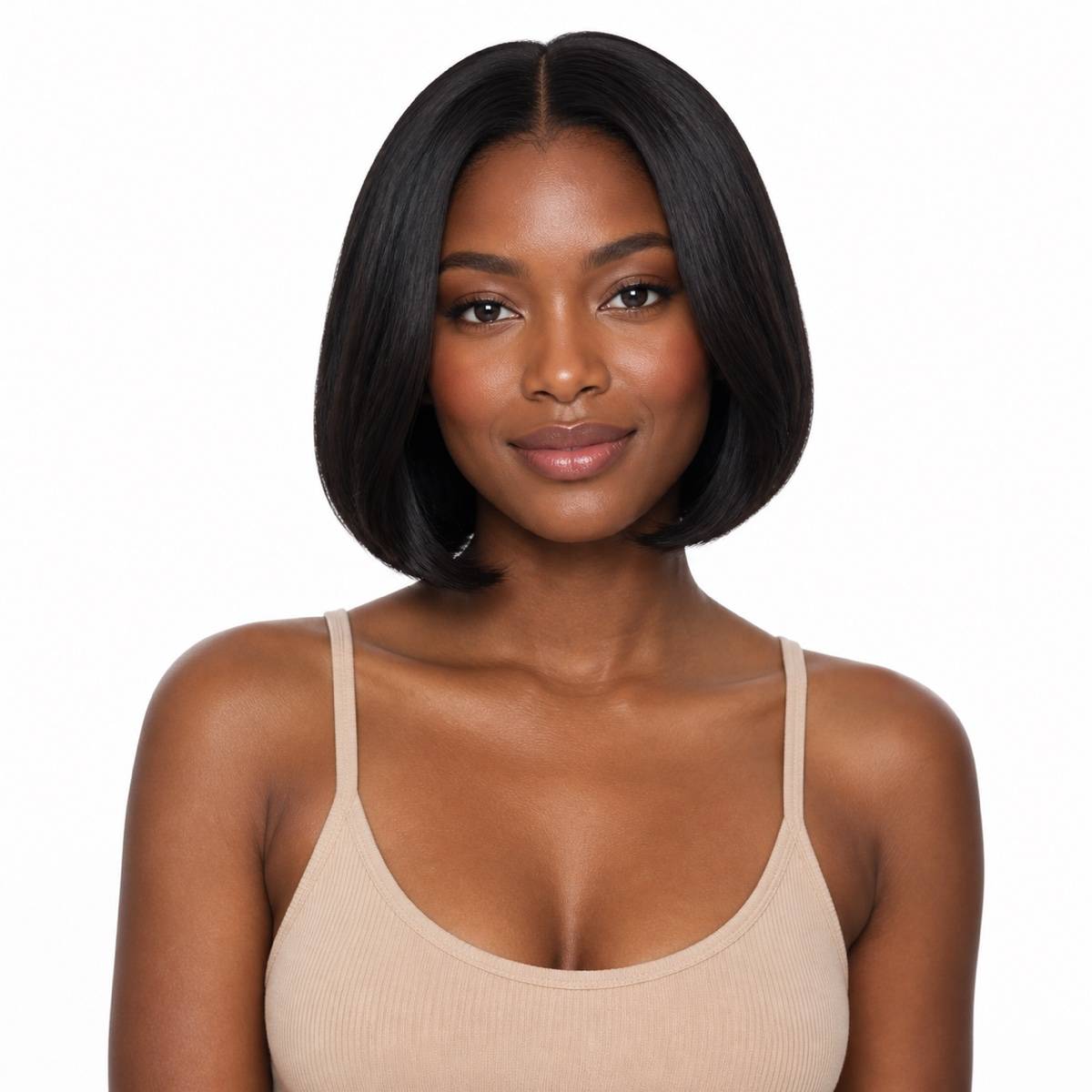
A long front, short back bob is a bob haircut where the nape is shorter and the front pieces are left longer to frame the face. The best version is not always the sharpest version. Most people get a better result by choosing the angle, front length, back shape, and layering based on their jawline, hair density, natural texture, and how much styling they are willing to do.
Direct answer: choose a soft A-line bob if you want the safest everyday shape, an inverted or stacked bob if you want more back volume, and a graduated bob if you want a smoother transition from the nape to the front. If your hair is fine, keep the line cleaner. If your hair is thick or wavy, plan internal weight removal instead of asking for a razor-heavy cut everywhere.
Key takeaways
- A long front, short back bob can mean A-line, inverted, stacked, or graduated. These are related, but not identical.
- The front length should be chosen around the jaw, chin, or collarbone, not copied blindly from one reference photo.
- A sharp angle works best on straight or lightly wavy hair. Curls usually need a softer shape because shrinkage changes the line.
- The back is the hard part. Stacked layers can look polished, but they need regular trims and careful blow-drying.
- Use HairWow to test the outline first, then bring your stylist a short brief with the front length, back shape, part, texture, and maintenance limit.
What is a long front, short back bob?
Definition: A long front, short back bob is a bob haircut with a shorter nape area and longer face-framing pieces. The shape can be subtle and wearable, or it can be dramatic with a steep angle from the back to the front.
People often use "long front, short back bob," "A-line bob," "inverted bob," "graduated bob," and "stacked bob" as if they are the same thing. In real salon language, they overlap, but each word tells the stylist something different.
The front tells the viewer where the cut frames your face. The back tells the stylist how much lift, curve, or stacking you want at the nape. The angle connects the two. That angle is what makes this haircut feel sleek instead of like a regular bob.
A-line vs inverted vs stacked vs graduated bob
Use this table before you save reference photos. It will make your salon consultation much clearer.
| Bob type | What it means | Best for | Watch out for |
|---|---|---|---|
| A-line bob | Longer in front, shorter in back, usually with a clean diagonal outline | First-time bob cuts, straight or lightly wavy hair | A very steep line can look harsh from the side |
| Inverted bob | A more dramatic version with stronger back-to-front contrast | People who want a visible angle and a sharper profile | Needs regular trims to keep the shape intentional |
| Stacked bob | Shorter layers at the back create rounded volume at the nape | Fine to medium hair that needs lift at the crown or back | Too much stacking can puff out on thick hair |
| Graduated bob | Uses controlled elevation so the back blends upward softly | A polished shape with less drama than a sharp inverted bob | Can collapse if fine hair is over-layered |
The useful shortcut: if you want a safer change, ask for a soft A-line or graduated bob. If you want people to notice the silhouette from the side, ask about an inverted or stacked bob.
Which version fits your face shape?
Face shape is not a strict rulebook, but it helps you avoid the most common mistake: putting the strongest part of the haircut at the widest part of the face.
| Face shape | Best bob direction | Why it works | Avoid |
|---|---|---|---|
| Round | Front pieces below the chin, soft A-line angle | Adds vertical line and avoids extra cheek width | Chin-length fullness with a heavy side stack |
| Square | Longer front with a slightly softened edge | Frames the jaw without making the corners look boxy | A blunt front that ends exactly at the jaw hinge |
| Oval | Most versions work, including sharper inverted lines | The face can handle more contrast and shorter back length | Choosing a steep angle only because it is trendy |
| Heart | Front pieces at chin or just below chin | Balances a narrower chin and keeps softness near the lower face | Too much crown height with a very narrow front |
| Long | Softer graduation, side movement, moderate front length | Adds width and avoids stretching the face visually | Very long front pieces plus a high, short back |
If you are not sure about your face shape, start with the HairWow face-shape hairstyle guide. Then preview the bob outline before you ask a stylist to take the back short.
Which version fits your hair texture?
This haircut behaves differently on straight, wavy, curly, fine, and thick hair.
Straight hair shows the angle clearly. It is the easiest texture for a clean A-line or inverted bob. The downside is that every uneven edge is more visible, so precision matters.
Fine hair often looks fuller with a blunt or lightly graduated shape. Too many layers can make the ends look thin. If you want a stacked back, keep the stack controlled and avoid removing too much weight from the perimeter.
Thick hair can wear this cut well, but only if the bulk is handled inside the shape. Ask for internal weight removal, not random thinning at the ends. Heavy thinning can make the front pieces frizz or flip out.
Wavy hair usually looks best with a softer line. A strict geometric angle can disappear once the wave pattern dries. Ask the stylist to check the dry shape and not just the wet sectioning.
Curly hair needs the most caution. Shrinkage can make the back jump shorter than expected and can make the front angle look uneven. A curly long-front bob should usually be cut with enough length allowance and a softer graduation.
How short should the back be?
The back length decides how much commitment this haircut requires.
| Back length | Look | Maintenance | Best choice if... |
|---|---|---|---|
| Nape-grazing | Soft, wearable, low drama | Trim about every 8 weeks | You want a first bob or easy grow-out |
| Above the nape | Sharper inverted profile | Trim about every 6 weeks | You want the angle to be visible from the side |
| Stacked and short | Rounded back volume | Trim about every 4 to 6 weeks | You want lift and do not mind upkeep |
The annoying part is that back length is hard to judge in a front-facing selfie. Ask for a side-view mirror check during the cut, and bring at least one side-view reference photo. Front-only inspiration photos are not enough for this style.
What to ask your stylist for
Do not just say "long in the front, short in the back." That can mean a tiny angle, a dramatic inverted bob, a stacked nape, or a cut that is too short for your texture.
Use this brief instead:
"I want a long-front, short-back bob with the front pieces around [chin / just below chin / collarbone]. Keep the back [softly graduated / stacked / nape-grazing], and make the side angle visible but not too steep. I want the cut to work with my natural [straight / wavy / curly / thick / fine] texture and take under 10 minutes to style."
Bring 3 photos:
- A front view for the face framing.
- A side view for the angle.
- A back view for the nape and stacking.
Also tell your stylist what you will not do. If you will not blow-dry every morning, say that. A bob that looks good only with a round brush and heat every day may not be the right bob for you.
How to style it without damaging your hair
A long front, short back bob often needs some smoothing, but it should not require aggressive daily heat. The American Academy of Dermatology recommends lowering heat exposure where possible, including letting hair partially air dry before styling and reducing frequent blow-drying. That advice matters here because this cut depends on healthy ends and a controlled perimeter.
Try this lower-damage routine:
- Wash based on scalp oil and texture, not a fixed daily rule.
- Condition the mid-lengths and ends.
- Blot with a towel instead of rough rubbing.
- Let the hair partially air dry.
- Blow-dry the nape and front pieces only where you need shape.
- Use a heat protectant if you use a dryer, flat iron, or curling iron.
- Finish with a light cream or serum only through the ends.
AAD guidance also stresses gentle detangling and wide-tooth combs for wet hair. Cleveland Clinic notes that washing frequency depends on hair type, texture, oil level, and routine. For this bob, that means fine oily hair may need more frequent washing, while thick, coarse, curly, or chemically treated hair may need more conditioning and less shampooing.
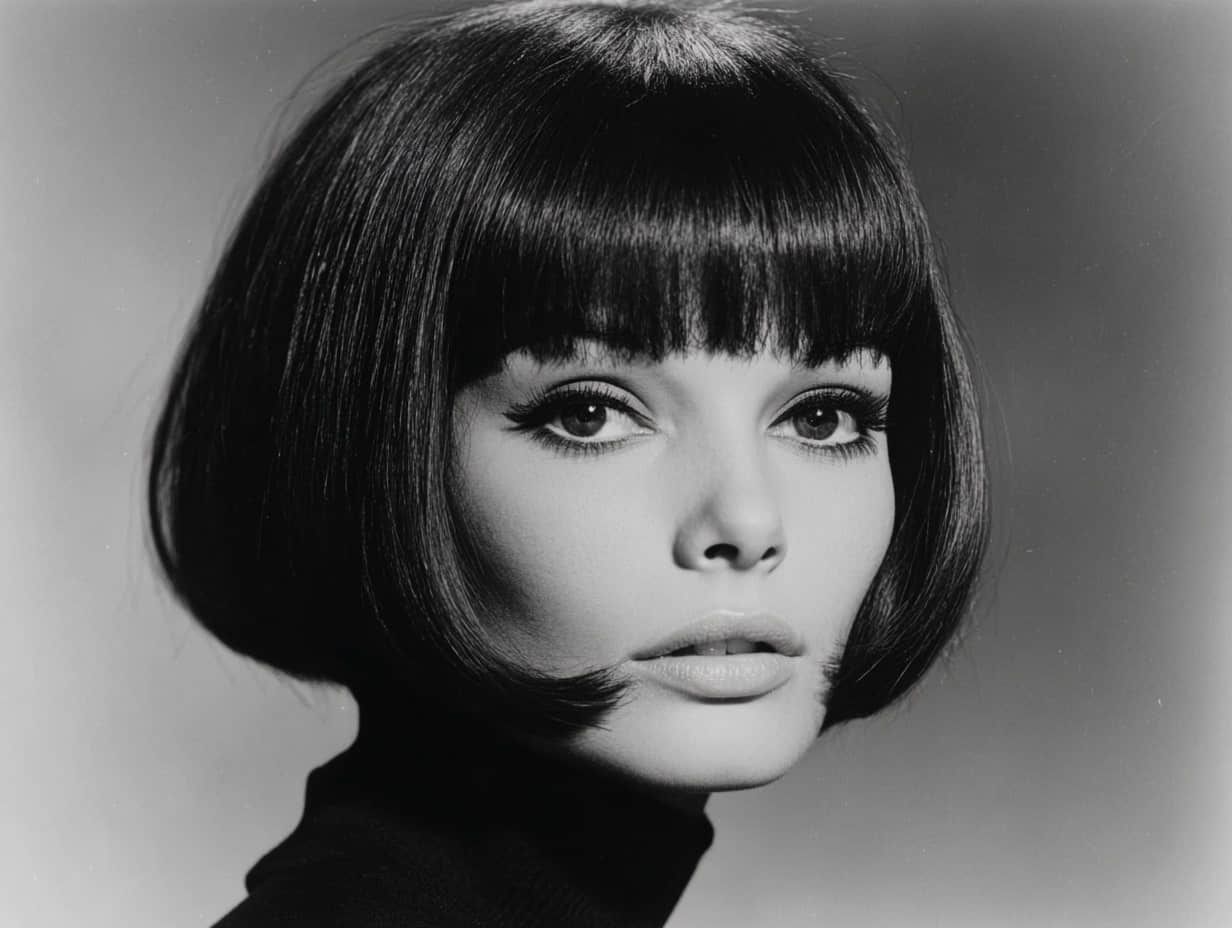
Try it on in HairWow
This is exactly the kind of haircut that benefits from previewing first. The difference between "cute angled bob" and "the back is too short" can be one or two inches.
Use HairWow in this order:
- Upload a clear photo with your face and jawline visible.
- Try a bob cut preset first.
- Compare whether your face looks better with the front at chin, below chin, or collarbone length.
- Check if you need softer face framing, more side movement, or less nape height.
- Save the best preview and use it as your salon reference.
Common mistakes
Choosing the steepest angle first
A steep angle looks dramatic in photos, but it can feel severe in real life. If this is your first bob, start with a moderate angle. You can always go sharper at the next trim.
Ignoring the back view
The back is not a minor detail. It decides whether the cut looks polished, bulky, rounded, or too short. Always bring a back-view reference.
Over-layering fine hair
Fine hair often needs a strong perimeter. Too many layers can make the long front pieces look stringy.
Thinning thick hair at the ends
This can create frizz and a weak outline. Thick hair usually needs weight managed inside the cut, not hacked out of the perimeter.
Forgetting grow-out
A short stacked back grows out faster than a soft nape-grazing bob. If you hate frequent trims, choose a softer version.
Sources
- American Academy of Dermatology: Hair styling without damage
- American Academy of Dermatology: Tips for healthy hair
- American Academy of Dermatology: Dermatologists' top tips for using leave-in conditioner
- Cleveland Clinic: How Often Should You Wash Your Hair?
- NCBI Bookshelf: Physiology, Hair
FAQ
Is a long front, short back bob the same as an inverted bob?
Not always. An inverted bob is usually a stronger version of the long-front, short-back idea, with a more visible angle from the nape to the front. A soft A-line bob can be much gentler. A stacked bob focuses more on rounded back volume.
Is this haircut good for fine hair?
Yes, if the shape is not over-layered. Fine hair often looks best with a clean front line, light graduation, and enough weight left at the perimeter. Be careful with a heavy stack because it can make the ends look thinner if too much hair is removed.
Is this haircut good for thick hair?
It can be, but the stylist needs to manage bulk carefully. Thick hair may need internal weight removal so the back does not puff out. Avoid excessive thinning at the ends because the front pieces can look frizzy or uneven after a few washes.
Can curly hair wear a long front, short back bob?
Yes, but it should be adapted for shrinkage and curl pattern. A curly version usually needs a softer angle, more length allowance, and careful dry-shape checking. Do not copy a straight-hair inverted bob reference and expect the same line after curls dry.
How often does this bob need trimming?
A soft long-front bob may hold for about 8 weeks. A sharper inverted or stacked bob may need a trim closer to every 4 to 6 weeks because the back shape loses definition quickly. If you want low maintenance, choose a softer nape and less dramatic angle.
What should I show my stylist?
Show a front view, side view, and back view. Then explain the exact front length, back shape, part, texture, and styling time you want. A single front-facing screenshot is not enough for this haircut because the side angle and nape shape matter so much.