Shag Haircut Guide: How to Choose the Right Layers
Use this shag haircut guide to compare layer length, bangs, face shape, texture, styling effort, and try-on options before asking for a choppy layered cut.

· 14 min read
On this page
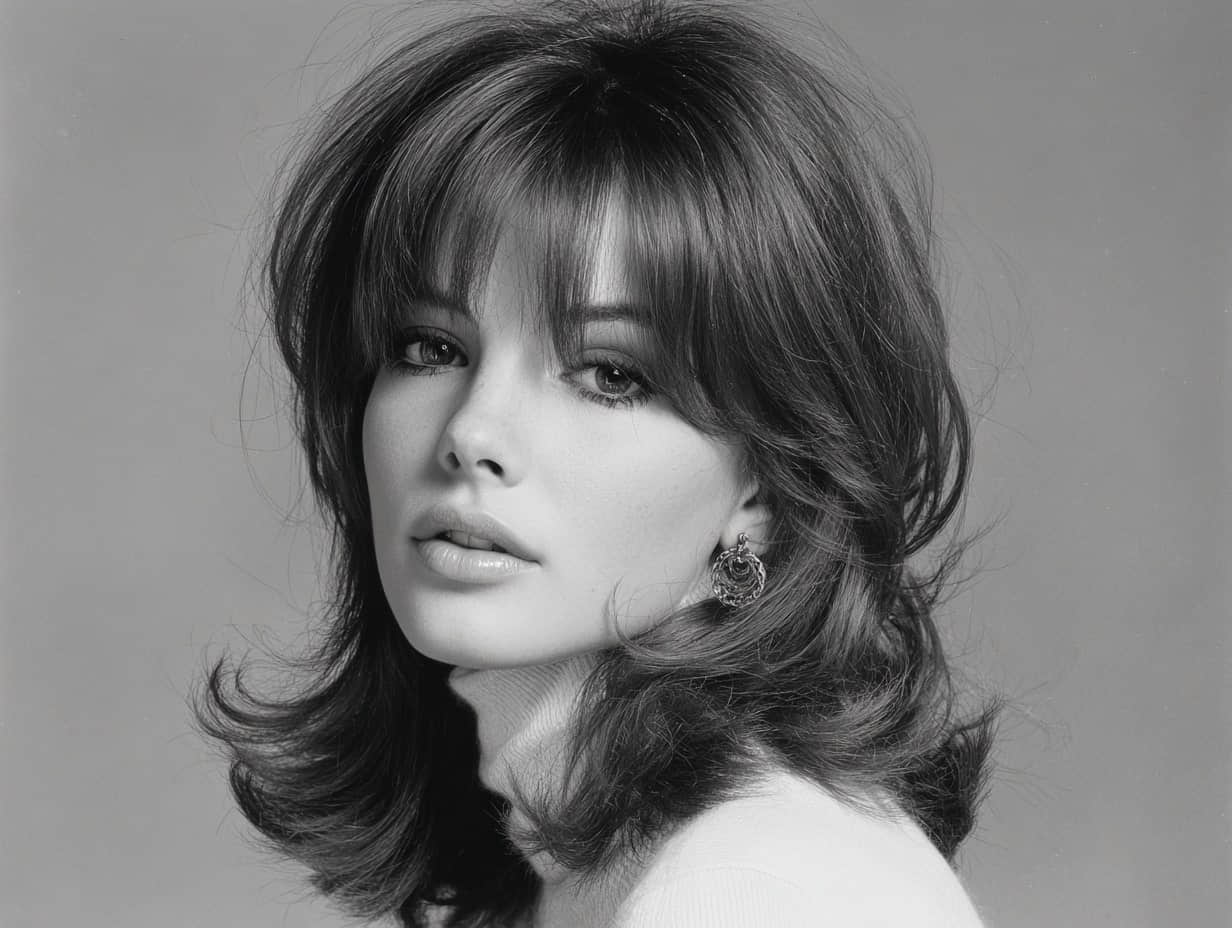
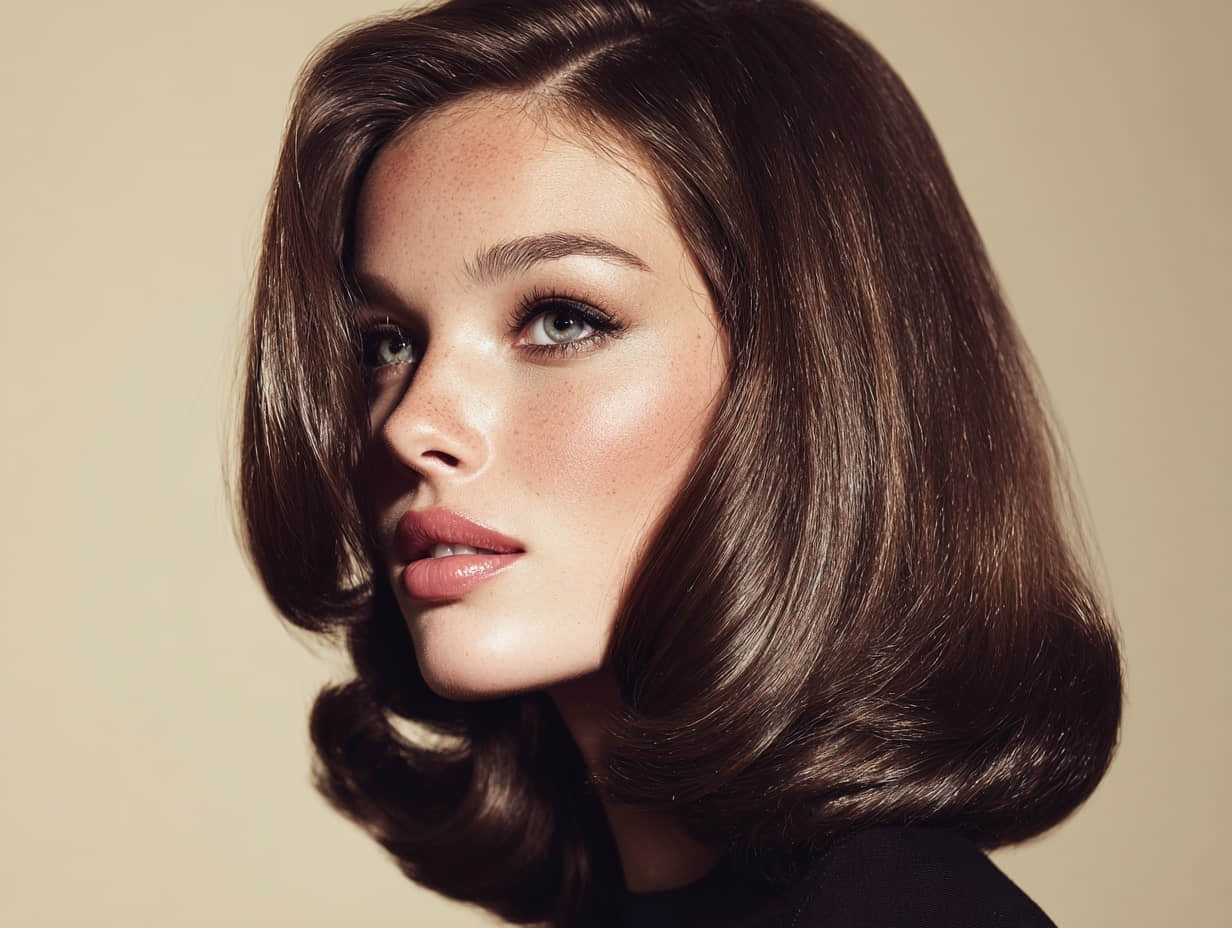
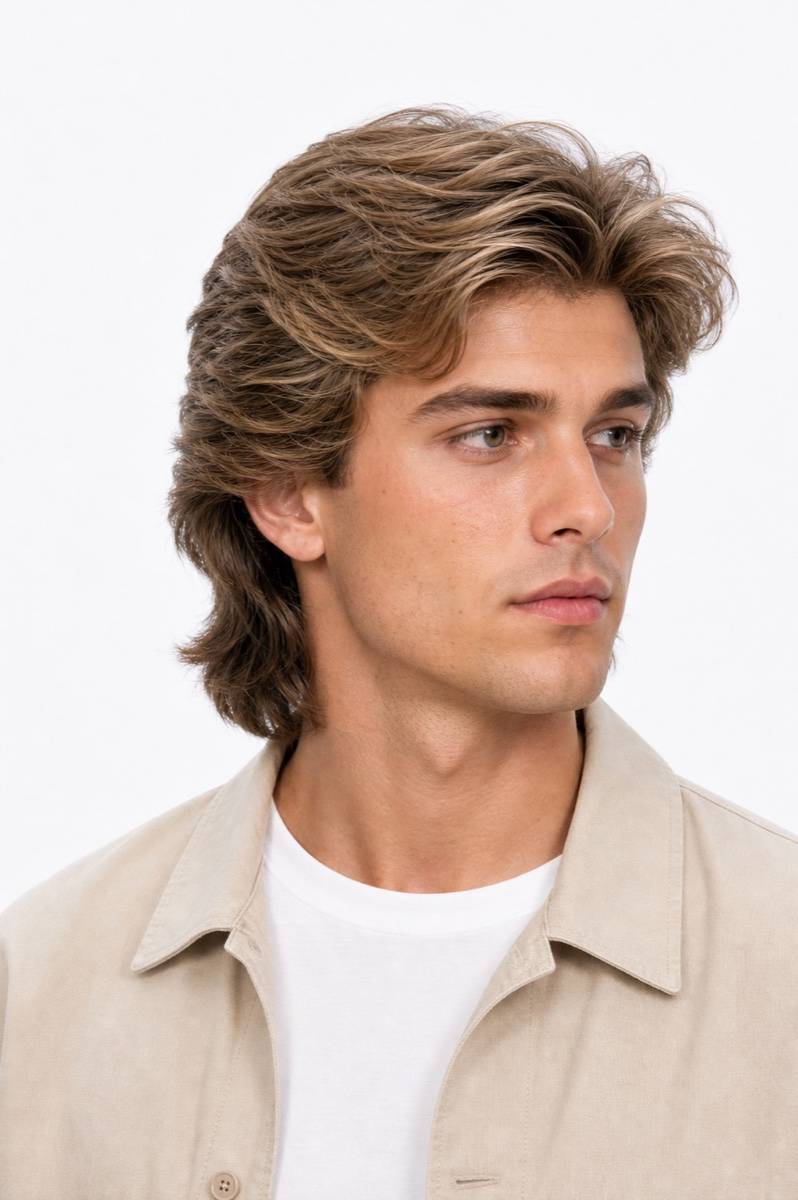
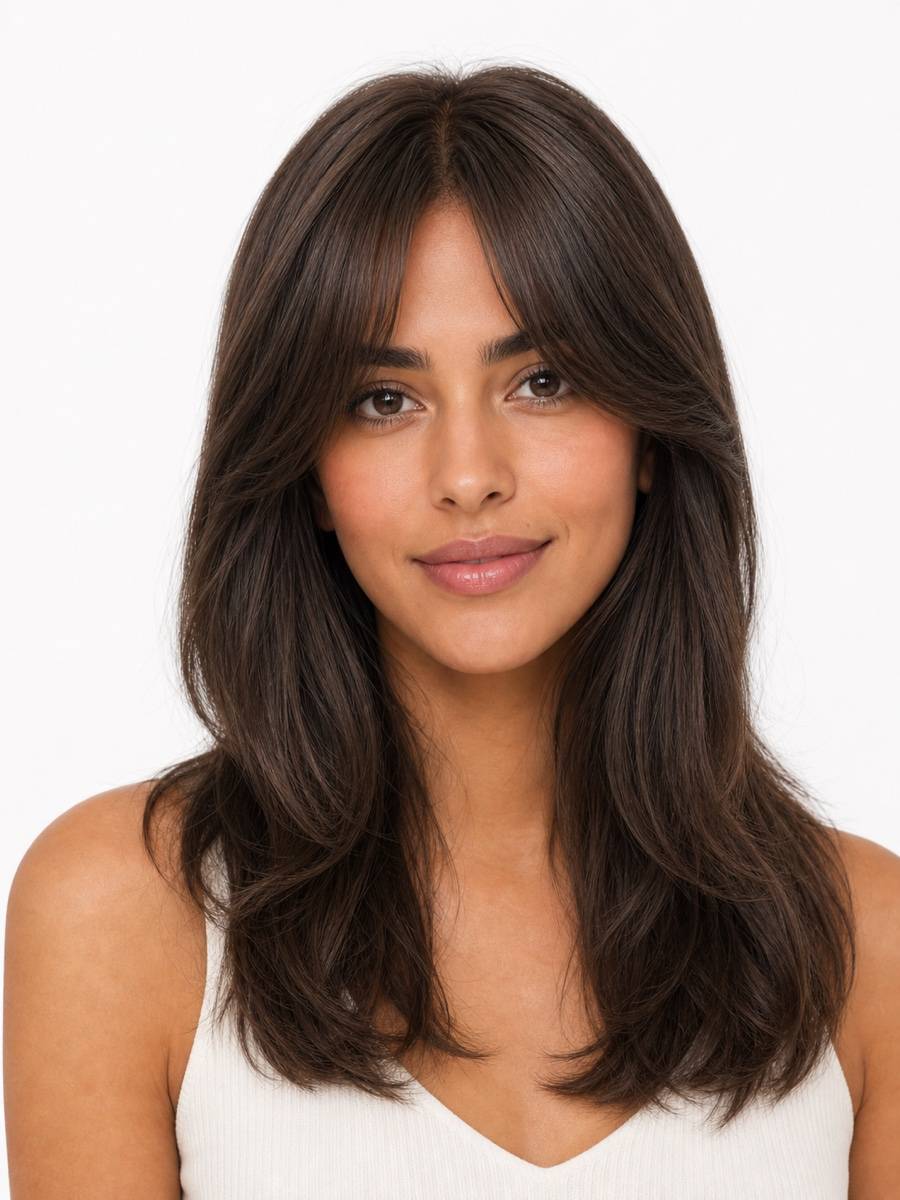
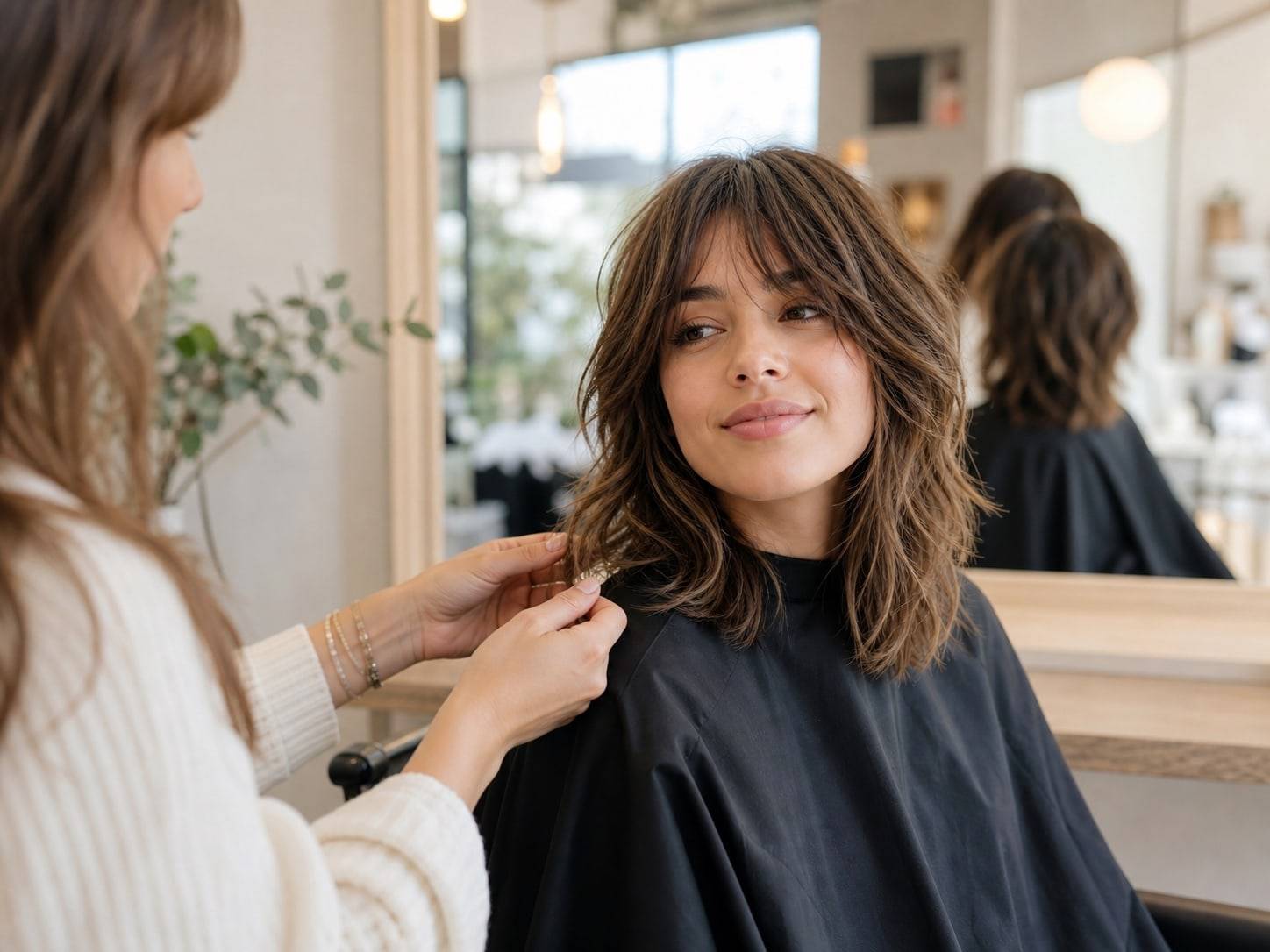
A shag haircut works when the layers are planned around your real hair texture, density, face shape, and styling habits. The best shag is not just "lots of layers." It usually has shorter movement around the crown and face, a textured middle, and enough length through the ends so the cut still looks intentional when it dries.
If you want a lower-risk version, start with a soft medium shag, long shag, or shag with curtain bangs. If you want more edge, test a wolf-cut shag, curly shag, or short shag first. Before cutting, preview the outline in HairWow Try-On, compare it with your face-shape guidance, and bring your stylist both a "yes" reference and a "not this" reference.
Key takeaways
- A shag haircut is a layered cut built for movement, texture, and an undone shape.
- The shortest crown layer and shortest face piece matter more than the trend name.
- Fine hair needs a softer shag with a fuller perimeter; thick hair can handle more weight removal.
- Wavy and curly hair can look excellent in a shag, but shrinkage has to be planned.
- Curtain bangs are optional, but they make many shags feel more balanced.
- A shag is easier to grow out than a pixie, but harder than a simple long-layer cut.
- If your front hairline or ends are fragile, choose longer layers and avoid daily high heat.
Definition: A shag haircut is a layered hairstyle with visible texture around the crown, face, and ends. Modern shags can be short, medium, or long, and the cut can be soft, curly, wolf-cut inspired, or more polished depending on hair density and styling routine.
What is a shag haircut?
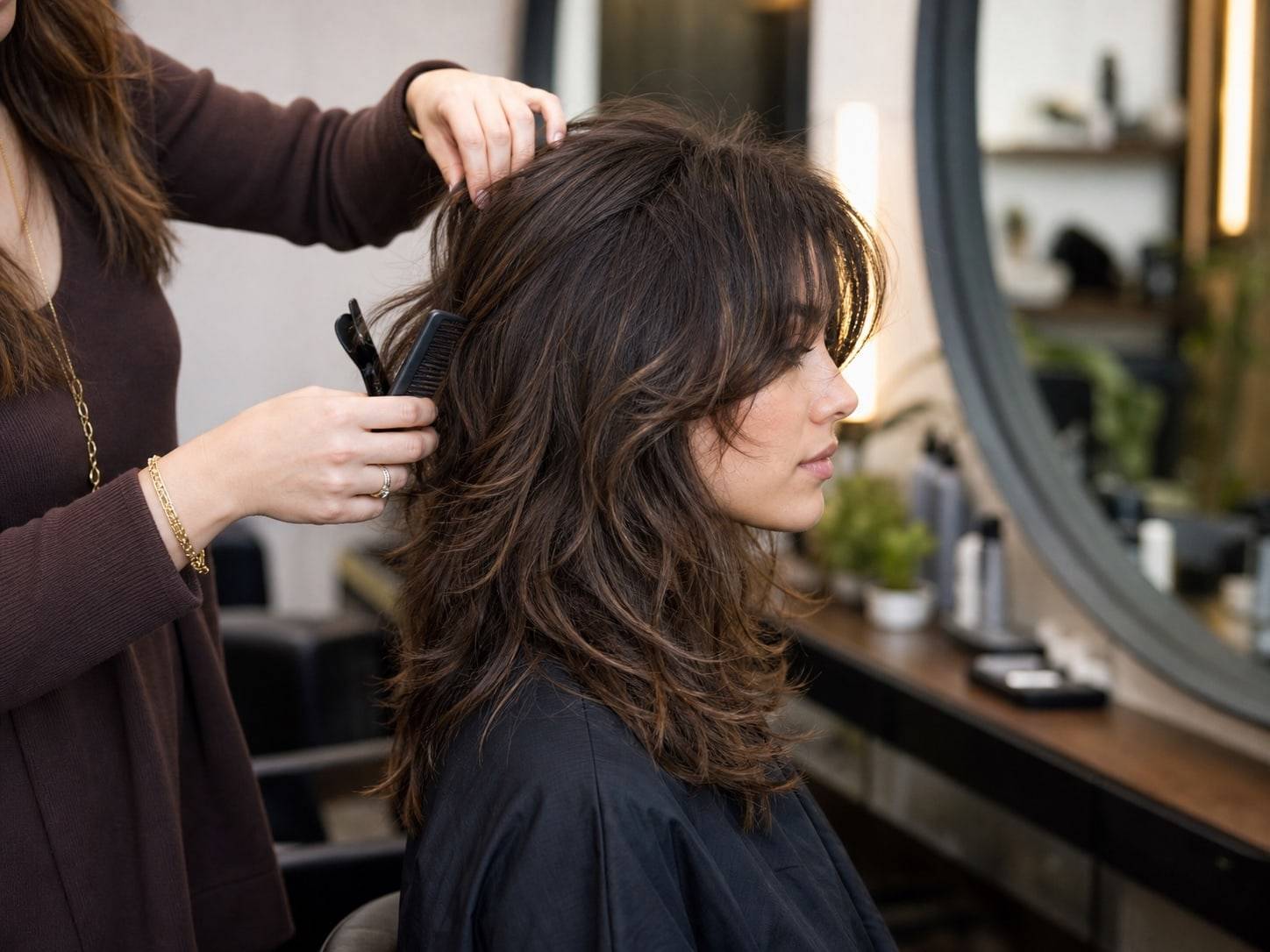
A shag is a haircut built from layered movement. Most versions have shorter pieces around the crown or face, textured mid-lengths, and ends that look lighter than a blunt cut. It can be airy and soft, choppy and rock-and-roll, curly and rounded, or long and barely undone.
The important part is the distribution of weight. A good shag removes bulk where the hair feels heavy but keeps enough shape so the ends do not look shredded. That is why two people can both ask for a shag and get very different results.
Use this quick read:
| Shag detail | What it changes | Why it matters |
|---|---|---|
| Crown layers | Lift and movement near the top | Too short can create a cap shape |
| Face layers | Cheek, jaw, and neck framing | Too short can behave like accidental bangs |
| Curtain fringe | Soft front opening | Needs more styling than no-bangs layers |
| Internal texture | Bulk control | Over-thinning can make ends weak |
| Perimeter length | Grow-out and ponytail ability | A fuller perimeter is safer for fine hair |
The annoying part is that shag photos are often styled. A reference can look effortless because it has waves, product, a round-brush set, or a professional finish. The cut should still make sense on your normal hair day.
Shag haircut vs wolf cut, butterfly cut, and face-framing layers
These cuts overlap, but they solve different problems.
| Cut | Main idea | Best if you want | Risk |
|---|---|---|---|
| Shag haircut | All-over texture and layered movement | Lived-in shape with visible layers | Frizz or thin ends if overcut |
| Wolf cut | Shag plus stronger crown/back contrast | Edgier, messier silhouette | Can feel disconnected from the side |
| Butterfly cut | Long layers with bouncy front movement | Volume while keeping length | Needs blow-dry styling to show shape |
| Face-framing layers | Front pieces around the face | Lower-risk change | Less dramatic texture |
| Long layers | Movement mostly through lower lengths | Safe polish | May not feel like a real change |
If you liked the wolf cut guide but want something softer, a shag is the natural middle ground. If you liked the butterfly haircut guide but want less blowout polish, a long shag may be a better match. If you are nervous, start with face-framing layers and keep the crown longer.
Best shag haircut by hair type
Hair texture decides how short the layers can be and how much styling the cut will need.
| Hair type | Best shag direction | Ask for | Be careful with |
|---|---|---|---|
| Fine straight hair | Soft shag or shag-lob | Light face layers and fuller ends | Heavy razor work or too many crown layers |
| Thick straight hair | Medium shag with internal weight removal | Controlled texture and blended face pieces | Leaving the sides too bulky |
| Wavy hair | Classic medium or long shag | Layers that follow the natural bend | Cutting the shortest pieces before seeing dry shape |
| Curly hair | Curly shag or rounded shag | Shrinkage planning and dry-shape checks | Copying a straight-hair fringe exactly |
| Coily hair | Shag-inspired rounded shape | Shape around density and protective styling needs | High tension near the hairline |
| Frizz-prone hair | Softer blended shag | Longer layers and moisture-friendly styling | Over-thinning the ends |
For curly hair, dermatologist guidance from the American Academy of Dermatology emphasizes conditioning and gentle handling because curly hair is more prone to dryness and breakage. That matters for a shag: shorter layers expose texture, so the cut has to support the curl pattern rather than fight it.
If your hair is already breaking around the front, do not use a dramatic shag as a cover-up. Start with a healthier perimeter, longer face pieces, and lower-heat styling.
Shag haircut by face shape
Face shape should not be used as a rulebook. It is a placement tool. The question is where the shortest layer should sit.
| Face shape | Shag direction to test | Why it can work | Be careful with |
|---|---|---|---|
| Oval | Classic shag, curtain bangs, medium shag | Most layer placements are flexible | Choosing a too-short crown only because anything "works" |
| Round | Longer cheek pieces, crown lift, side movement | Adds vertical flow without widening the cheeks | Heavy cheek-width layers |
| Square | Soft curtain fringe, jaw-skimming layers | Breaks up a strong jaw without hiding it | Blunt shelf-like pieces at the chin |
| Heart | Curtain bangs, cheekbone-to-jaw blending | Balances a wider forehead and narrower chin | Too much volume at the temples |
| Long or oblong | Brow or cheekbone fringe with side volume | Adds width and avoids extra vertical stretch | Tall crown plus very long front pieces |
| Diamond | Soft cheekbone pieces and lighter side texture | Reduces sharp cheekbone contrast | Short layers stopping exactly at the widest point |
If you do not know your face shape, use HairWow's face-shape flow first. Then test where the fringe or face layer lands: cheekbone, lip, chin, jaw, or collarbone.
Should you get bangs with a shag?
Bangs are common with a shag, but they are not required. The safer starting point is usually curtain bangs or long bottleneck-style pieces because they can blend into the layers as they grow.
| Bangs choice | Best for | Maintenance |
|---|---|---|
| No bangs | First-time shag, ponytail-friendly hair | Lowest |
| Long curtain bangs | Soft front shape and easier grow-out | Low to medium |
| Brow-length fringe | Stronger 70s or rock feel | Medium |
| Curly fringe | Natural curl shape and face softness | Medium, needs dry planning |
| Micro or baby bangs | Editorial edge | High |
If you already wonder whether bangs will annoy you, read the should I get bangs checklist before committing. The practical question is not "Do bangs look good?" It is "Will I style this front piece on a normal Tuesday?"
Real Simple, Byrdie, and InStyle all show how widely a shag can vary by length, fringe, and texture. That variety is the point, but it also makes salon wording important.
How to preview a shag before the salon
A try-on will not tell a stylist how to cut every section, but it can show whether the outline belongs on your face.
Use this workflow:
- Upload a front-facing photo in HairWow Try-On.
- Compare feathered layers, long wavy layers, curtain bangs, and a curly shag shape.
- Save the version that feels most wearable.
- Save one version that feels wrong. This helps your stylist avoid the part you dislike.
- Run Hair Analyze if your hair is dry, frizzy, oily, or breaking before deciding how aggressive the layers should be.
If the shag preview looks good only from the front, ask your stylist to talk through the side view. A shag is a silhouette haircut. The side profile matters.
What to ask your stylist for
Do not just say "I want a shag." Use constraints.
| Goal | Salon wording |
|---|---|
| Soft first shag | "I want a soft shag with blended face layers, light crown movement, and a fuller perimeter." |
| Medium classic shag | "I want visible layers and curtain fringe, but I do not want the ends thinned out too much." |
| Long shag | "Keep the length and add shaggy movement around the face and upper layers." |
| Curly shag | "Please plan the layers around my dry curl shape and shrinkage." |
| Fine-hair shag | "Keep the bottom edge full. I want texture, not stringy ends." |
| Lower-maintenance shag | "I need the front pieces to tuck behind my ear and still work if I air-dry." |
Bring two photos: one for the shape and one for your actual texture. A thick, styled celebrity shag can mislead the appointment if your hair is fine or air-dried.
Common mistakes
Cutting the crown too short
Short crown layers can create lift, but they can also make the top look round and disconnected. Ask where the shortest crown layer will land before the cut starts.
Thinning fine hair too much
Fine hair can wear a shag, but the perimeter has to stay believable. If the ends already look sparse, ask for a shag-lob or soft face frame instead of heavy razoring.
Ignoring shrinkage on wavy or curly hair
Curly and wavy hair can spring up after drying. A cheekbone reference on straight hair may become a much shorter shape on curls. Ask for a dry-shape check.
Choosing bangs you do not want to maintain
Bangs can make a shag look finished, but they need trims and styling. If you want a low-maintenance cut, choose long curtain pieces first.
Using heat every day to force the cut
The American Academy of Dermatology warns that repeated heat and harsh styling can contribute to damage. Cleveland Clinic also frames hair as a fiber that should not be repeatedly scorched or overworked. If the shag only works after high heat every morning, the cut may be wrong for your routine.
Pulling it tight during grow-out
The front pieces of a shag can be awkward while growing. Avoid relying on tight ponytails, tight buns, or tension-heavy styles to hide them. AAD guidance on hairstyles that pull is relevant if your hairline is fragile or already thinning.
Maintenance and styling
Most shags need a shape cleanup every 6 to 10 weeks if the bangs or crown are short. Longer shags can usually stretch longer because the grow-out is softer.
For daily styling, keep the routine simple:
- Use leave-in conditioner or curl cream if your hair needs moisture and slip.
- Use mousse, texture spray, or light paste if the layers need separation.
- Diffuse curls or waves on low heat instead of rough-drying.
- Direct curtain bangs away from the face with a brush, clip, or roller.
- Do not overbrush dry curls into a fuzzy triangle.
- Trim split ends before they travel up into the visible layers.
If you are deciding between a shag and something safer, preview three versions: soft shag, feathered layers, and long waves. The right answer is the one you would still like after the salon styling wears off.
FAQ
What is a shag haircut?
A shag haircut is a layered cut with visible movement through the crown, face, mid-lengths, and ends. It can be short, medium, or long. Modern shags are usually customized by texture, fringe choice, and how much weight the stylist removes.
Is a shag haircut good for thin hair?
It can be, but the shag needs restraint. Fine or thin hair usually looks better with a soft shag, fuller perimeter, and longer layers. Too much razor cutting or too many short crown pieces can make the ends look weaker.
Is a shag haircut good for curly hair?
Yes, a curly shag can look excellent when it is planned around shrinkage and curl pattern. Ask your stylist to check the shape dry or close to your natural finished state, and avoid copying a straight-hair fringe reference exactly.
Does a shag haircut need bangs?
No. Bangs are common but optional. Curtain bangs or long face-framing pieces are the safest starting point because they blend into the haircut as they grow. A no-bangs shag can still have movement and texture.
What is the difference between a shag and a wolf cut?
A wolf cut is usually a more dramatic cousin of the shag, with stronger crown volume and longer back length. A shag can be softer, more blended, and easier to adapt for daily wear.
How do I know if a shag will suit my face?
Test the layer placement. Round faces often need longer front pieces and crown lift. Square faces often benefit from softer jaw-skimming movement. Long faces usually need side volume instead of extra height. A virtual try-on helps you see the balance before cutting.
Is a shag haircut high maintenance?
It depends on the fringe and layer length. A long soft shag can be fairly easy. A short shag with bangs needs more trims and styling. If you air-dry every day, ask for a version that looks good without heat.
What should I tell my stylist for a shag haircut?
Say how soft or dramatic you want it, where the shortest face piece should land, whether you want bangs, how full the ends should stay, and how you usually style your hair. Bring references with similar texture, not just similar length.
Sources
- American Academy of Dermatology: 10 hair care habits that can damage your hair
- American Academy of Dermatology: 6 curly hair care tips from dermatologists
- American Academy of Dermatology: Dermatologists' top tips for using leave-in conditioner
- Cleveland Clinic: How to keep your hair healthy this winter
- Real Simple: 14 Effortlessly Cool Shag Haircuts to Try This Season
- Byrdie: 40 Shag Haircuts For Every Length and Hair Type
- InStyle: 11 Shag Haircuts That Make a Strong Case for the Subversive Style