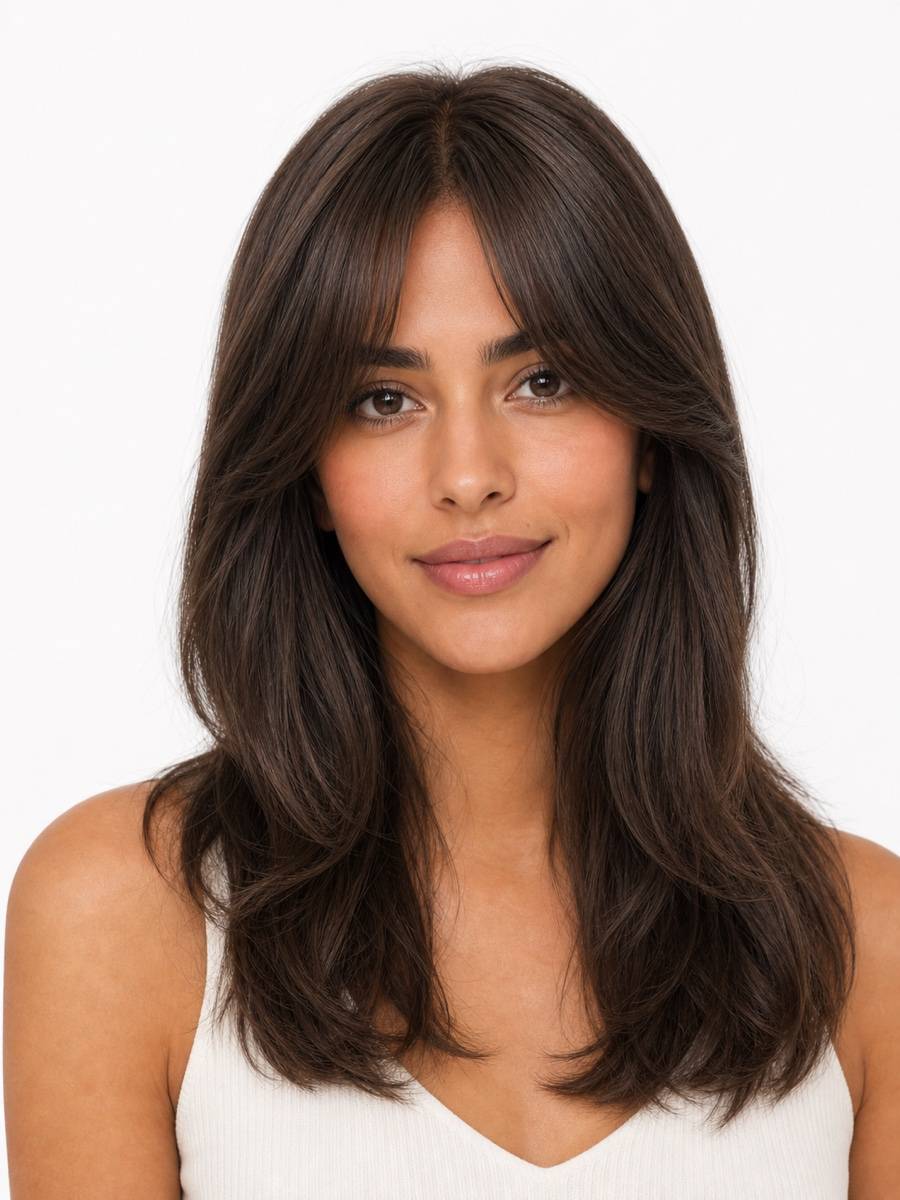
Face-Framing Layers: How to Choose the Right Length
Choose face-framing layers by matching the shortest front piece to your face shape, hair texture, density, and styling routine before you cut.

· 14 min read

On this page
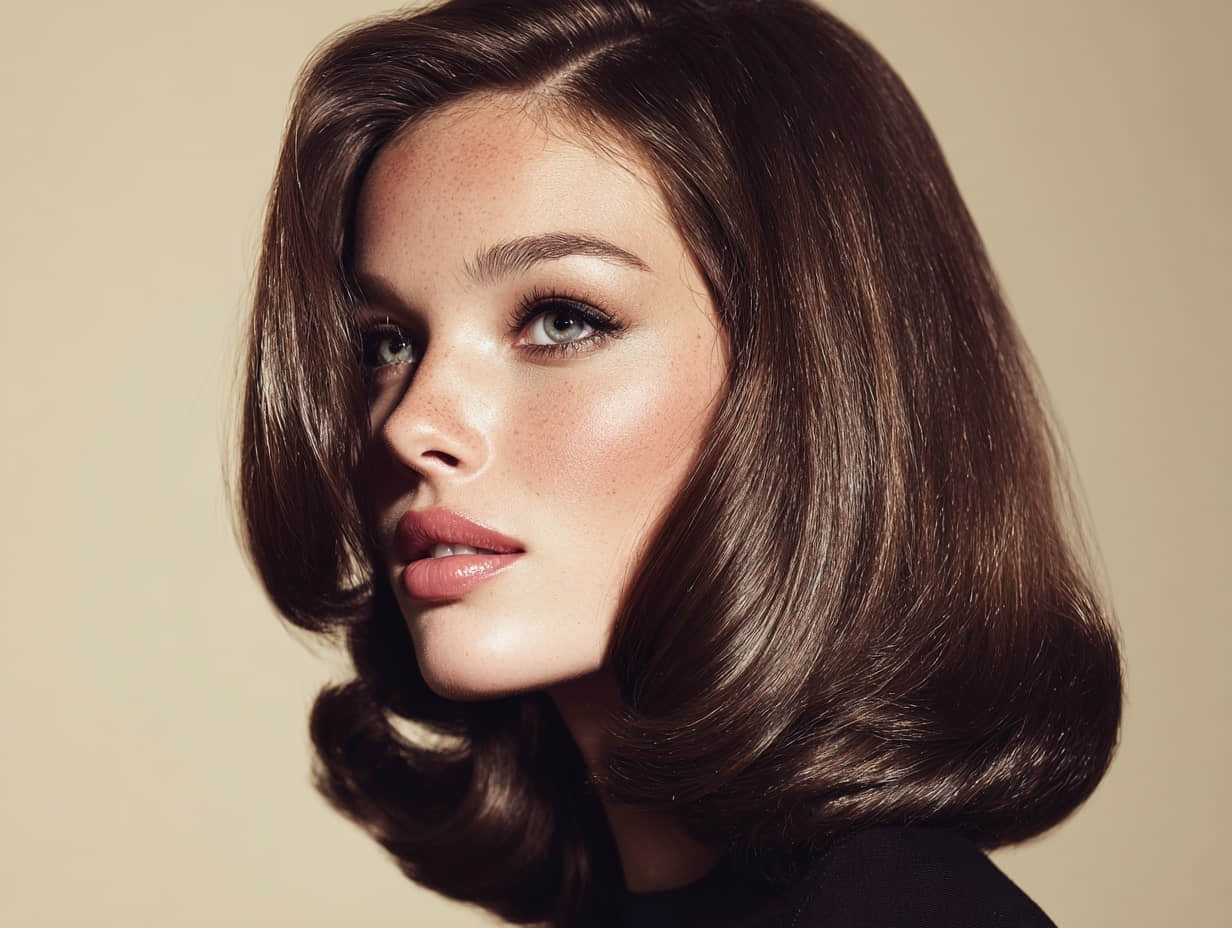
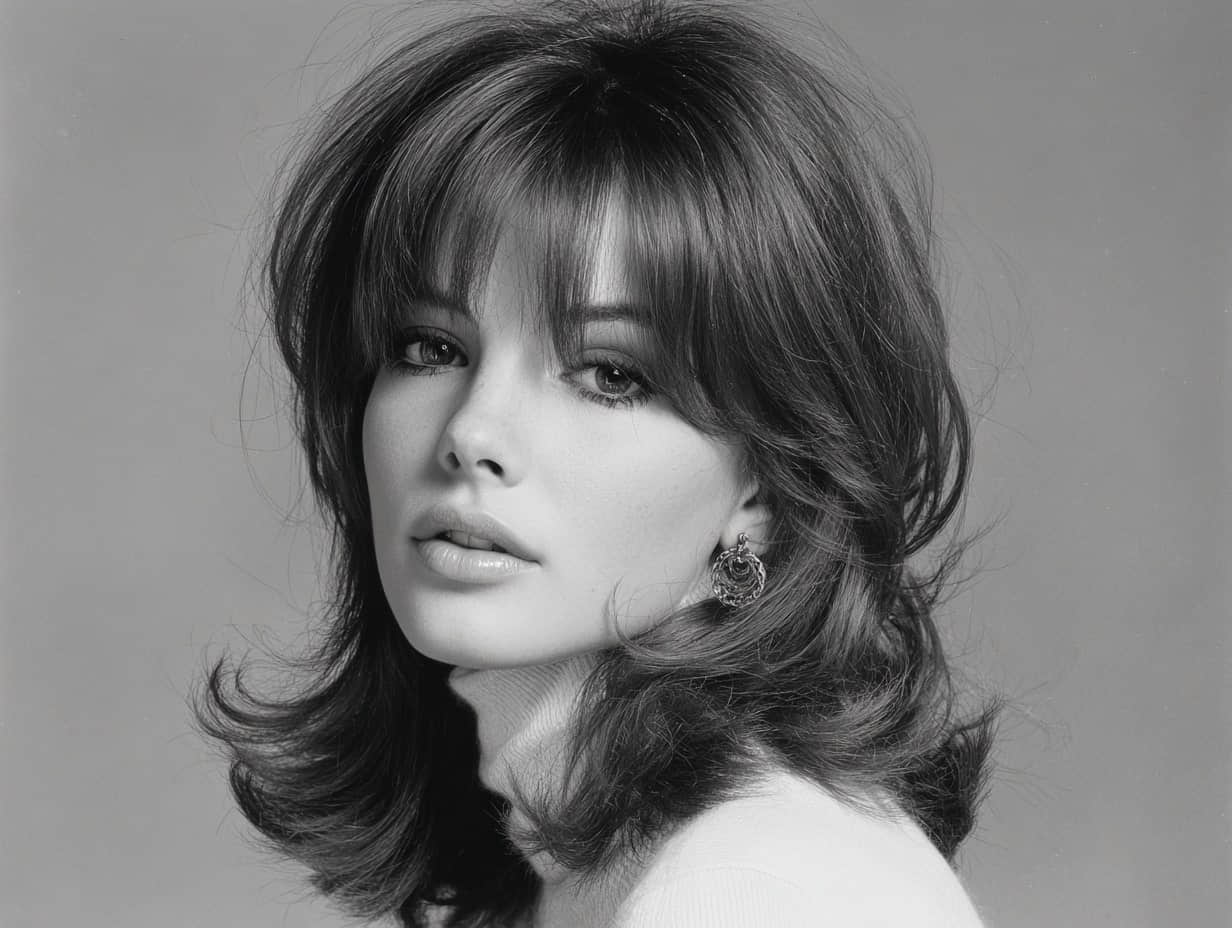
Face-framing layers are shorter pieces cut around the front of your hair so the shape opens, softens, or lifts around your face. The best version is not just "layers around the face." It is a specific shortest point: cheekbone, lip, chin, jaw, collarbone, or longer. That point decides whether the cut highlights your eyes, narrows the cheeks, softens the jaw, balances the forehead, or simply makes long hair feel less heavy.
If you are unsure, start longer than the photo you like. Collarbone or jaw-length front pieces are easier to style, easier to tie back, and easier to trim shorter later. Cheekbone pieces and curtain-bang layers can look great, but they need more daily control. Before cutting, test the change in HairWow Try-On, compare it with your face shape, and bring your stylist a reference with similar hair density.
Key takeaways
- Face-framing layers work when the shortest front piece lands at an intentional point, not at a random length.
- Cheekbone and lip-length pieces create the biggest change; jaw, chin, and collarbone pieces are safer for first-timers.
- Fine hair usually needs softer, longer pieces so the ends stay full.
- Thick hair can use more layering, but the cut still needs a clean perimeter so it does not become hollow.
- Wavy, curly, and coily hair need shrinkage planning. The cut should be judged dry or close to your natural finished shape.
- If you wear ponytails, glasses, headphones, or a face-forward work style every day, choose pieces that can move out of the way.
- A virtual preview is not a salon blueprint, but it is useful for checking length, balance, and whether the front shape belongs on your face.
Definition: Face-framing layers are shorter front pieces that connect into the rest of the haircut and shape the area around the eyes, cheekbones, jaw, and neck.
What are face-framing layers?
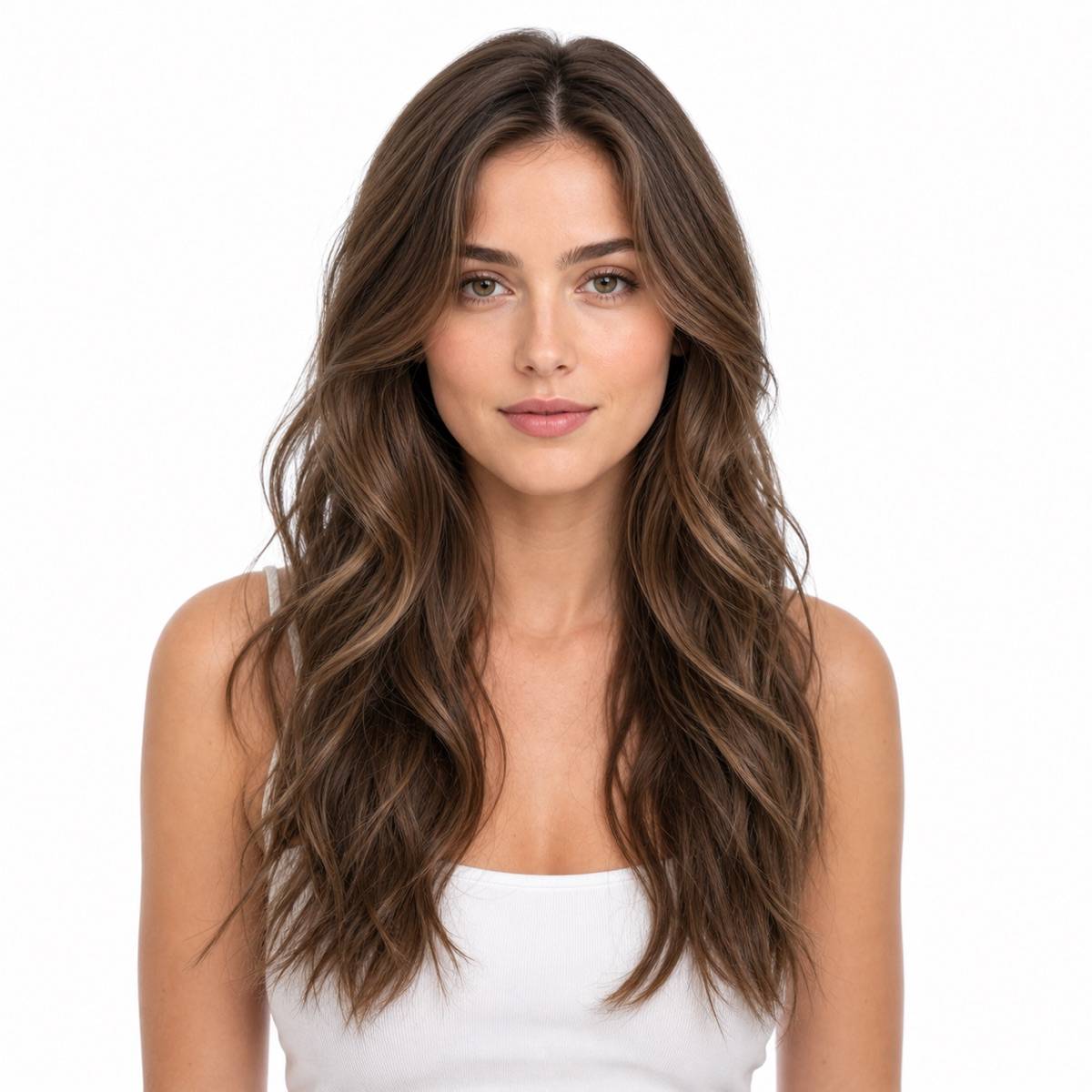
Face-framing layers are the front part of a layered haircut. They can be subtle, like long pieces that start below the chin, or more visible, like cheekbone layers that open away from the eyes. The goal is to create shape around the face without necessarily changing all of your hair length.
The cut can be added to long hair, a lob, a bob, a shag, a butterfly haircut, or a soft layered style. It can also work with bangs, but bangs are not required. Many people get the face-framing effect from longer curtain pieces instead of a true fringe.
The most important detail is how the front connects to the rest of the cut. If the shortest pieces are too disconnected, they can look like accidental breakage or grown-out bangs. If they are too long, they may disappear into the haircut. A good face frame creates a visible front shape while still blending into the sides.
Best face-framing layer length by goal
Use the shortest front piece as the decision point. This is the part you will see in selfies, video calls, mirror checks, and pulled-back styles.
| Shortest front piece | Best for | Styling effort | Main risk |
|---|---|---|---|
| Cheekbone | Opening the eyes, creating a clear 90s or blowout shape | Medium to high | Can fall forward or separate if hair is fine |
| Lip length | Soft movement without a full bang | Medium | Needs direction from a blow-dry, wave, or natural bend |
| Chin length | Lower-risk face framing for first-timers | Low to medium | Can widen the lower face if too blunt |
| Jaw length | Softening a strong jaw or adding side movement | Low to medium | May feel too short for ponytails |
| Collarbone | Long-hair movement with less commitment | Low | Can be too subtle if the rest of the cut is heavy |
| Below collarbone | Very safe, blended long layers | Low | May not visibly frame the face |
If you like a dramatic reference photo, ask yourself whether you like the cut or the styling. Many face-framing photos rely on a round brush, large rollers, a curling iron, or fresh salon volume. If you air-dry every day, choose a version that still makes sense when the front pieces are relaxed.
Face-framing layers by face shape
Face shape does not decide whether you are allowed to get layers. It helps decide where the movement should sit. If you are not sure about your shape, start with the haircut for all face shapes guide or test proportions in HairWow's face-shape flow.
| Face shape | Best starting point | Why it works | Be careful with |
|---|---|---|---|
| Oval | Cheekbone, lip, chin, or collarbone | Most placements work, so choose by styling effort | Over-layering only because "anything works" |
| Round | Chin, jaw, or collarbone with soft vertical flow | Adds length and movement without crowding the cheeks | Short cheek pieces that flip outward at cheek width |
| Square | Cheekbone to jaw with soft, curved ends | Breaks up a strong jaw line without hiding it | Blunt chin pieces that stop like a shelf |
| Heart | Curtain-shaped cheekbone or lip layers | Balances a wider forehead and draws attention downward | Very heavy short pieces that expose the chin too much |
| Long or oblong | Cheekbone or lip pieces with side movement | Adds width around the face instead of extra height | Tall crown volume plus very long front layers |
| Diamond | Cheekbone-to-jaw blending | Softens the widest point and connects cheek to jaw | Sharp pieces that stop exactly at the cheekbone |
For a first salon visit, chin or collarbone layers are usually the safest compromise. They show up enough to change the front shape but still behave like long hair. You can always shorten the face frame after you know how it falls.
How hair texture changes the cut
Face-framing layers are not one-size-fits-all. The same cheekbone-length reference can behave very differently on fine straight hair, dense wavy hair, or curly hair with shrinkage.
| Hair type | Better direction | What to avoid |
|---|---|---|
| Fine straight hair | Long, soft pieces that keep the bottom edge full | Too many short layers around the face |
| Medium straight hair | Lip, chin, or collarbone pieces with light beveling | Heavy disconnected chunks |
| Thick straight hair | More internal weight removal plus blended front pieces | Removing so much weight that the ends look empty |
| Wavy hair | Layers that follow the natural bend pattern | Cutting the shortest piece before checking how waves shrink |
| Curly hair | Dry-aware shaping and longer starting points | Copying a straight-hair reference exactly |
| Coily hair | Shape planning around shrinkage, density, and protective styling needs | Tight tension around the hairline or fragile edges |
The American Academy of Dermatology's hair-care guidance repeatedly points to gentler handling, lower-heat choices, and avoiding practices that stress the hair and scalp. That matters here because face-framing pieces sit where damage is most visible. If your front hairline or ends are fragile, keep the shortest pieces longer, avoid aggressive thinning, and ask for a cut that does not need daily high heat. See the AAD's guidance on healthy hair habits and styling without damage for general care principles.
Face-framing layers vs bangs, butterfly cuts, and wolf cuts
Face-framing layers overlap with several popular haircut searches. The difference is commitment.
| Style | What changes | Best if you want | Commitment level |
|---|---|---|---|
| Face-framing layers | Shorter pieces around the front only | Softness, movement, lower-risk change | Low to medium |
| Curtain bangs | Shorter fringe that parts and opens | A stronger front feature | Medium |
| Butterfly haircut | Shorter front and upper layers with long back length | Bouncy blowout movement | Medium |
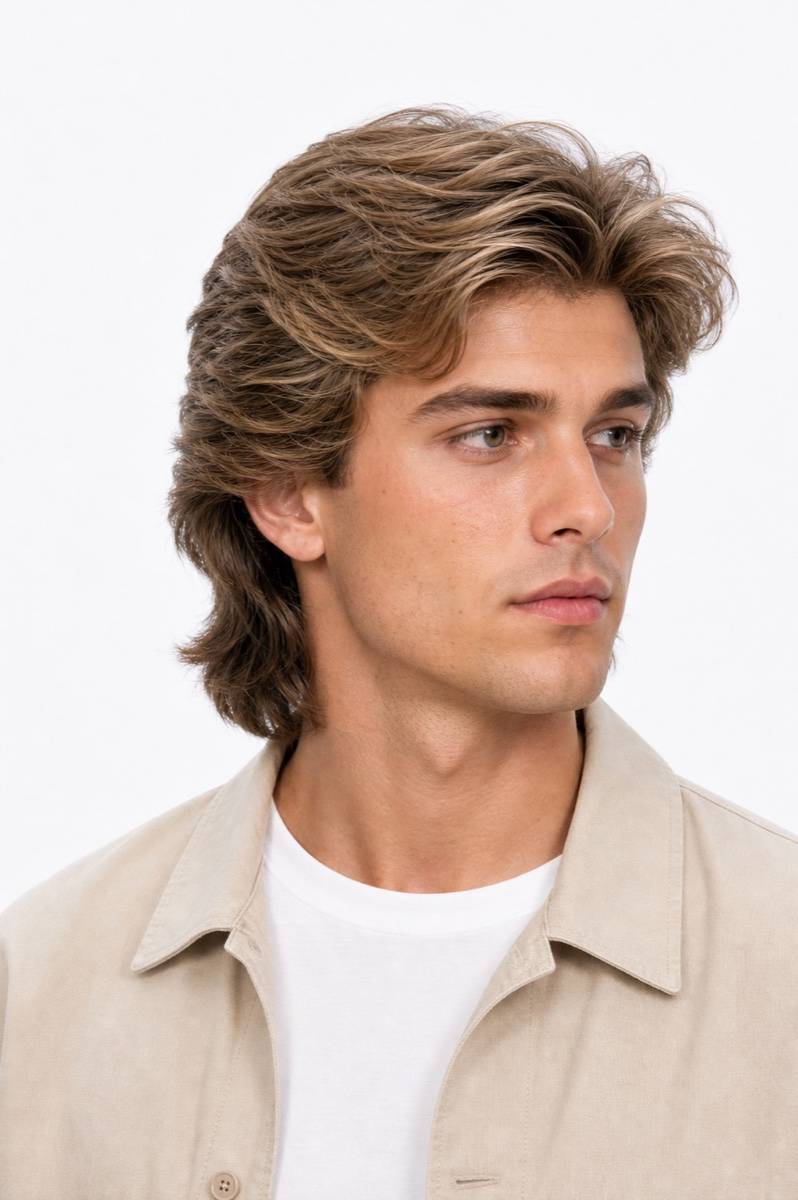
| Wolf cut | Shaggy crown, visible texture, longer back | Edgier layered shape | Medium to high |
| Long layers | Movement through the lower lengths | Shape without a strong front change | Low |
If you are deciding between options, use the smaller change first. Face-framing layers can grow into curtain bangs, connect into a butterfly haircut, or become part of a softer wolf cut. It is harder to go backward after cutting a very short fringe or a choppy crown.
For bangs specifically, compare your tolerance for daily styling in the should I get bangs face shape guide. If the answer is "I like the idea, but I hate maintenance," long curtain layers are often a better starting point than true bangs.
How to preview the cut before the salon
A virtual try-on cannot replace a stylist's technical cutting plan, but it can answer a practical question: does this amount of front movement look right on your own face?
Use this preview workflow:
- Upload a clear front-facing photo in HairWow Try-On.
- Test feathered layers, long wavy layers, curtain bangs, a bob, and soft volume.
- Save the two versions that look best, plus one version that feels clearly wrong.
- Compare where the shortest front piece appears to sit: cheekbone, lip, chin, jaw, or collarbone.
- Bring the winning direction to your stylist and ask them to adapt it to your density and daily styling habits.
The "wrong" preview is useful. If cheekbone layers make the face feel crowded or jaw pieces make the lower face look wider, you have learned something before making the real cut.

What to ask your stylist for
Bring a reference photo, but also bring constraints. A stylist needs to know what you actually do with your hair after the appointment.
| If you want | Say this |
|---|---|
| A safe first version | "I want soft face-framing layers, but keep the shortest front piece around my chin or collarbone." |
| More visible movement | "I like a cheekbone-to-lip face frame, but I still want it blended into the sides." |
| Long hair that feels lighter | "Keep the back length and add front movement without thinning out the bottom edge." |
| Fine hair support | "Please keep the perimeter full and avoid too many short layers around the front." |
| Wavy or curly shape | "Cut the face frame with my natural shrinkage in mind, not just when it is pulled straight." |
| Ponytail-friendly hair | "Make sure the shortest pieces can tuck behind my ear or fit into a loose tie-back." |
Also say what you do not want. For example:
"I do not want heavy bangs, a disconnected shelf, or thin stringy ends. I want soft front movement that still looks full when air-dried."
That sentence gives the stylist a clearer target than "just add layers."
Common mistakes
Cutting the face frame too short on the first visit
Shorter is tempting because it looks dramatic in photos. But face-framing pieces live in the highest-visibility part of the haircut. If you are unsure, begin at the chin or collarbone and shorten later.
Ignoring density
Fine hair can look thinner if the front is over-layered. Thick hair can look triangular if the front is not layered enough. The cut has to respect both face shape and hair density.
Copying a styled photo as if it were the haircut
Many reference photos show a blowout, roller set, or curled finish. Ask your stylist what the cut will look like on your normal day two hair.
Choosing layers that fight your routine
If you never use heat, do not choose a face frame that only works with round-brush flips. If you exercise daily, wear headphones, or tie your hair back often, make sure the shortest pieces can be controlled.
Using tight tension to hide awkward front pieces
The AAD notes that styles pulling tightly on the hair can contribute to hair loss over time, and medical references describe traction alopecia as hair loss associated with repeated pulling stress. If your front hairline is fragile, avoid relying on tight slick-backs, tight braids, or high-tension extensions to manage face-framing pieces. See the AAD's page on hairstyles that pull and the NCBI Bookshelf overview of traction alopecia for background.
Care and maintenance
Face-framing layers usually need trims every 6 to 10 weeks if the shape is short and visible. Longer collarbone pieces can stretch longer between trims because the grow-out is softer.
For daily styling:
- Use a light leave-in or heat protectant when blow-drying.
- Direct the front pieces away from the face if you want an open shape.
- Use a large round brush, Velcro roller, or loose wave for soft bend.
- Avoid repeatedly clamping the same front pieces with high heat.
- Sleep with the front gently clipped or directed if it collapses overnight.
- Trim split ends before they travel upward into the visible face frame.
If your hair is already dry, color-stressed, or breaking around the hairline, prioritize health before drama. Long blended layers are better than a short face frame that needs heat every morning.
Should you get face-framing layers?
You should consider face-framing layers if your current hair feels flat around the front, your long hair hangs like one heavy sheet, or you want a visible change without cutting all of your length. They are especially useful when you want the face to feel more open in photos and video calls.
You may want to wait if your front pieces are already breaking, your ends are very sparse, or you need every strand to fit into a tight professional style. In that case, start with a trim, a healthier perimeter, or a longer collarbone layer.
The best test is simple: preview the front shape, pick the longest version you still like, then ask for a blended salon version that works on your real texture.
FAQ
Are face-framing layers good for round faces?
Yes, but start longer. Chin, jaw, or collarbone pieces usually work better than very short cheekbone pieces because they create vertical flow instead of adding width at the cheek.
Do face-framing layers make hair look thinner?
They can if too much hair is removed from the front or ends. Fine hair should keep a fuller perimeter and use soft, longer face-framing pieces.
What is the safest face-framing length?
Chin to collarbone is the safest range for most first-timers. It gives visible movement but is still long enough to blend, tuck, or tie back.
Are face-framing layers the same as curtain bangs?
No. Curtain bangs are a shorter fringe that parts and opens. Face-framing layers can be much longer and may start at the cheekbone, chin, jaw, or collarbone.
Can curly hair get face-framing layers?
Yes, but the cut should account for shrinkage and curl pattern. A front piece that looks chin-length when pulled straight may spring up much shorter when dry.
How often should face-framing layers be trimmed?
Shorter cheekbone or lip-length pieces often need a trim every 6 to 8 weeks. Longer chin, jaw, or collarbone pieces can usually wait closer to 8 to 10 weeks.
Can I preview face-framing layers online?
Yes. Use HairWow Try-On to compare feathered layers, long wavy layers, curtain bangs, bobs, and volume options on your own photo. Treat the preview as a proportion check, then let your stylist adapt the cut to your hair.
What if I regret face-framing layers?
Ask your stylist to soften the connection and plan the grow-out. Longer face-framing layers can usually blend into long layers, a lob, or curtain pieces. Very short pieces take longer, which is why starting at chin or collarbone length is safer.
Next step
If you are choosing your first face frame, test three versions before booking: soft feathered layers, long wavy layers, and curtain-bang movement. Save the version that looks most natural, then bring it to your stylist with one clear request: keep the front flattering, blended, and realistic for how you actually style your hair.
You can start with HairWow Try-On, compare broader face-shape haircut options, or upload a photo for hair analysis before choosing the final salon direction.