Beard Style for Face Shape: Pick the Right Beard Before You Grow It
Use this face-shape guide to compare beard styles, jaw balance, neckline choices, barber wording, and HairWow beard try-on options before changing your look.

· 12 min read
On this page
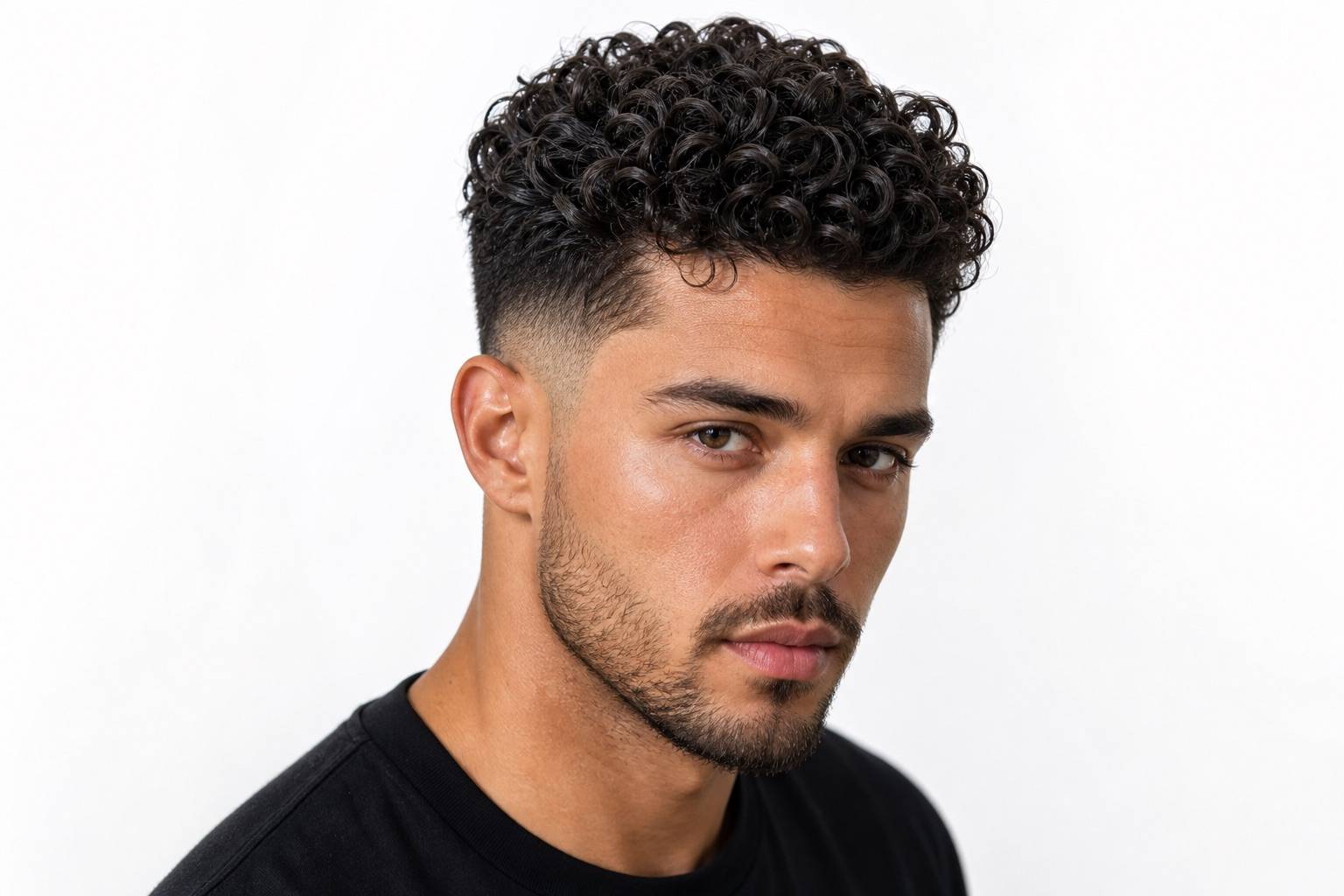
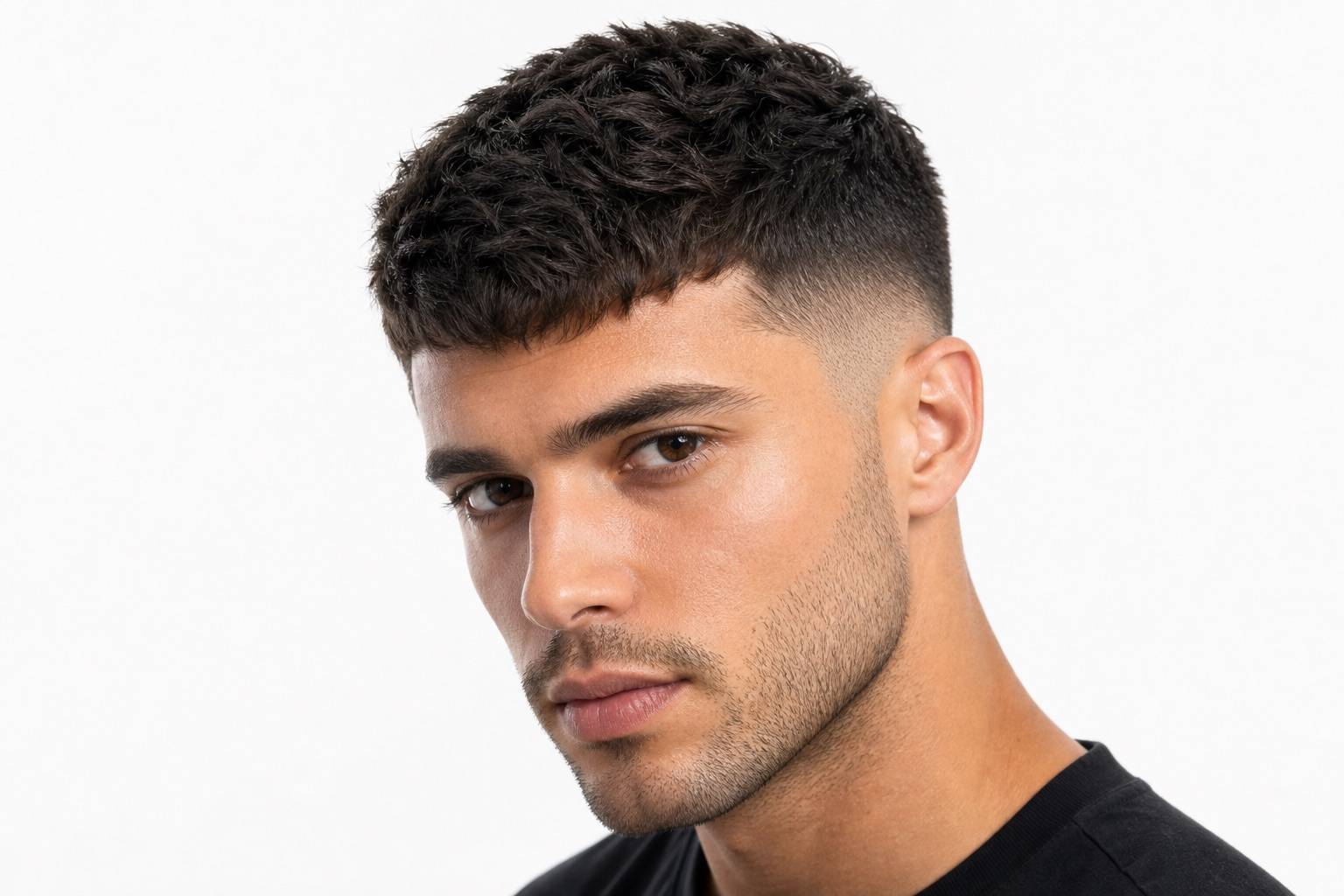
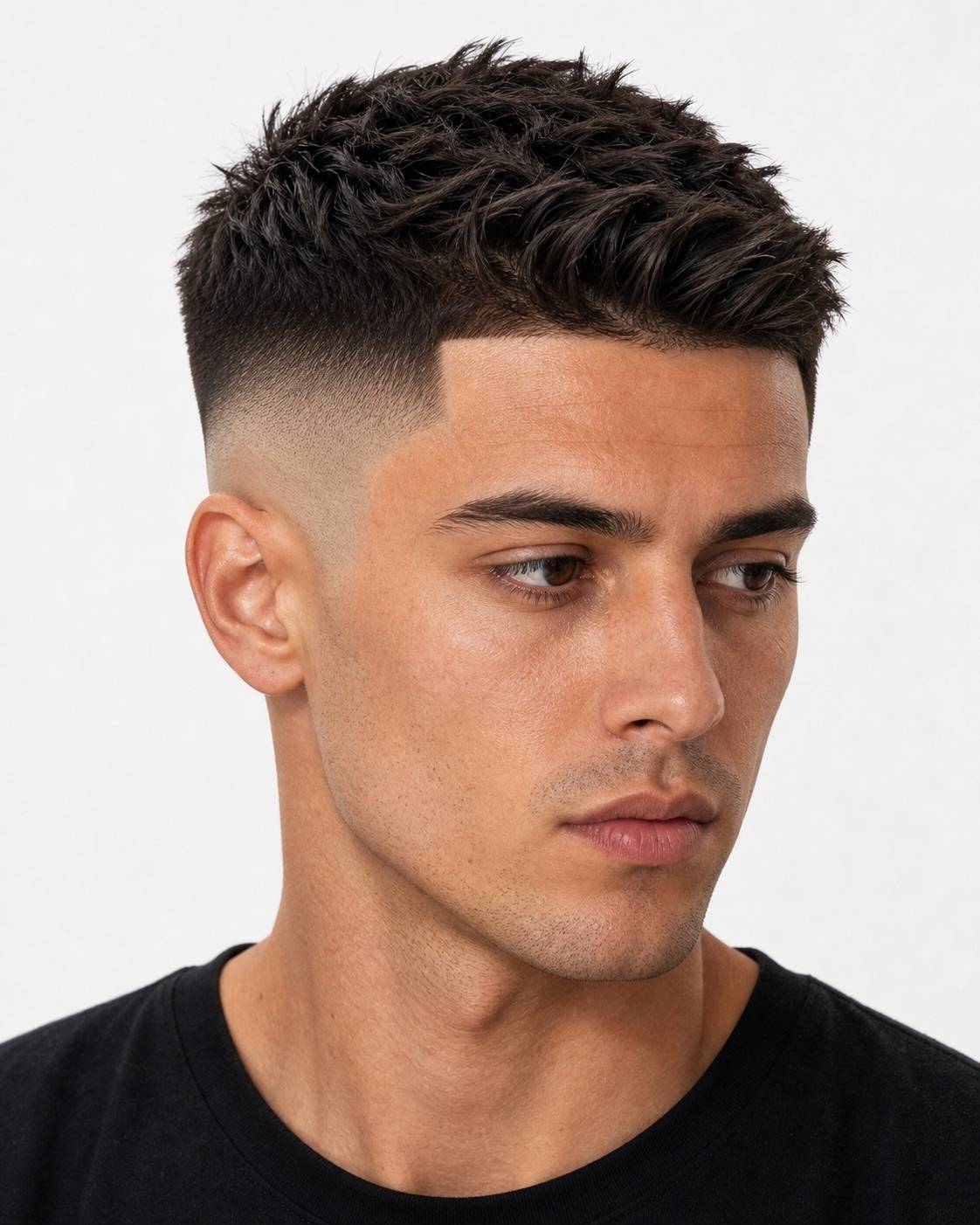
A beard changes the outline of your face before it changes your personality. It can make a round face look longer, soften a square jaw, add weight to a narrow chin, or make a haircut look more finished. The problem is that most beard advice starts with style names instead of the face in front of the mirror.
Direct answer: the best beard style for your face shape is the one that balances your jaw, chin, cheeks, and face length. Round faces usually benefit from more length at the chin and cleaner sides. Square faces usually look better with softer edges or controlled fullness. Long faces need width instead of extra chin length. Oval faces can wear most beard styles, but still need the beard length to match the haircut and maintenance routine.
Before growing for weeks or trimming too much away, compare circle beard, anchor beard, goatee, Garibaldi beard, and mustache options in HairWow Beard Try-On. A preview will not replace a barber, but it can show whether the weight belongs on your chin, jaw, cheeks, or upper lip.
What is a face-shape beard style?
A face-shape beard style is a beard chosen for proportion, not just trend. It uses beard length, cheek height, side width, neckline, mustache weight, and chin shape to make the face look more balanced. A good beard can sharpen a soft jaw, reduce the look of extra length, make a narrow chin feel stronger, or connect a haircut and facial hair into one intentional look.
Definition: A face-shape beard style is a beard or mustache direction selected to balance your face proportions, such as adding chin length to a round face, adding jaw fullness to a heart face, or keeping a long face from looking longer.
Key takeaways
- Do not choose a beard by name only. Choose where the visual weight should sit.
- A round face usually needs a cleaner cheek area and more shape below the chin.
- A square face already has structure, so the beard should refine the jaw instead of making it blockier.
- A long face usually needs shorter chin length and more even side fullness.
- Patchy growth can still work if you choose a mustache, goatee, anchor, or stubble direction instead of forcing a full beard.
- Skin care matters. The American Academy of Dermatology recommends daily beard and face washing, moisturizing, combing, and careful trimming to reduce irritation under facial hair.
Best beard style by face shape
Use this table as a first filter. Your hair density, growth pattern, and haircut still matter, but face shape tells you where not to add unnecessary bulk.
| Face shape | Beard direction to try | Why it works | Watch out for |
|---|---|---|---|
| Round | Anchor beard, goatee, short boxed beard with cleaner sides | Adds vertical shape and makes the jaw look more defined | Wide cheek fullness that makes the face look rounder |
| Square | Circle beard, short full beard, Garibaldi with softened corners | Keeps the strong jaw but removes harsh blockiness | Very hard square lines at the lower corners |
| Oval | Stubble, circle beard, short full beard, mustache, Garibaldi | Most proportions are flexible, so maintenance matters more | Letting the beard overpower the haircut |
| Long or oblong | Short boxed beard, circle beard, mustache with light stubble | Adds width without stretching the chin lower | Ducktail or long pointed chin shapes |
| Heart | Garibaldi, short full beard, chin curtain, fuller jaw line | Adds balance below a wider forehead and narrower chin | Thin chin-only styles that make the lower face look smaller |
| Triangle | Short sides with a cleaner chin, circle beard, controlled mustache | Avoids making an already strong jaw look too heavy | Very wide full beard through the jaw |
| Diamond | Anchor beard, circle beard, balanced short full beard | Adds shape around the chin while keeping cheekbones visible | Cheek lines that sit exactly at the widest part of the face |
If you are not sure which face shape you have, start with HairWow's face-shape hairstyle guide. Then come back to beard selection with one simpler question: should your beard add length, add width, soften corners, or strengthen the chin?
Beard styles you can try on first
Circle beard
A circle beard connects the mustache and chin area into a clean frame around the mouth. It works well when you want definition without committing to a full beard.
Try it if your face is oval, square, long, or triangle. It is also a good option when cheek growth is uneven but chin and mustache growth are reliable.
Anchor beard
An anchor beard adds definition at the chin and lower jaw without filling the whole cheek. It can make a round face look sharper and gives diamond faces more direction below the cheekbones.
Ask for clean lines, not a cartoon outline. The best version looks intentional but still natural with your face.
Goatee
A goatee adds attention to the chin. That can help a round face or a face with a softer lower third. It can also work when side growth is patchy.
Be careful if your face is already long. Too much chin length can stretch the face vertically.
Garibaldi beard
A Garibaldi is fuller and more relaxed. It suits men who can grow enough density and want more jaw presence.
Try it for heart or oval faces, or when your haircut needs a stronger lower frame. Keep the bottom controlled so the beard still has shape.
Mustache
A mustache can balance a longer face, make a short haircut more expressive, or give style to someone who does not want a full beard.
It works best when the edges are deliberate. A mustache that is almost there often looks accidental.
How to match beard length to your haircut
Your beard should not fight your haircut. The two shapes are read together.
| Haircut direction | Better beard pairing | Why |
|---|---|---|
| Buzz cut or shaved head | Stubble, circle beard, short full beard, Garibaldi | Facial hair becomes the main frame for the face |
| Classic side part | Short boxed beard, circle beard, clean mustache | Keeps the style polished and barber-friendly |
| Textured crop | Stubble, anchor beard, short beard | Adds jaw shape without making the top look too heavy |
| Quiff or pompadour | Short full beard, controlled Garibaldi | Balances height on top with weight below |
| Longer wavy hair | Softer full beard, mustache, natural stubble | Keeps the whole look relaxed instead of overly lined |
| Thinning hair | Short beard, circle beard, stubble | Adds definition without drawing attention to density contrast |
If your haircut is already high-volume, avoid adding a huge beard at the same time unless you want a very strong look. If your haircut is very short, a beard can add personality and keep the face from looking unfinished.
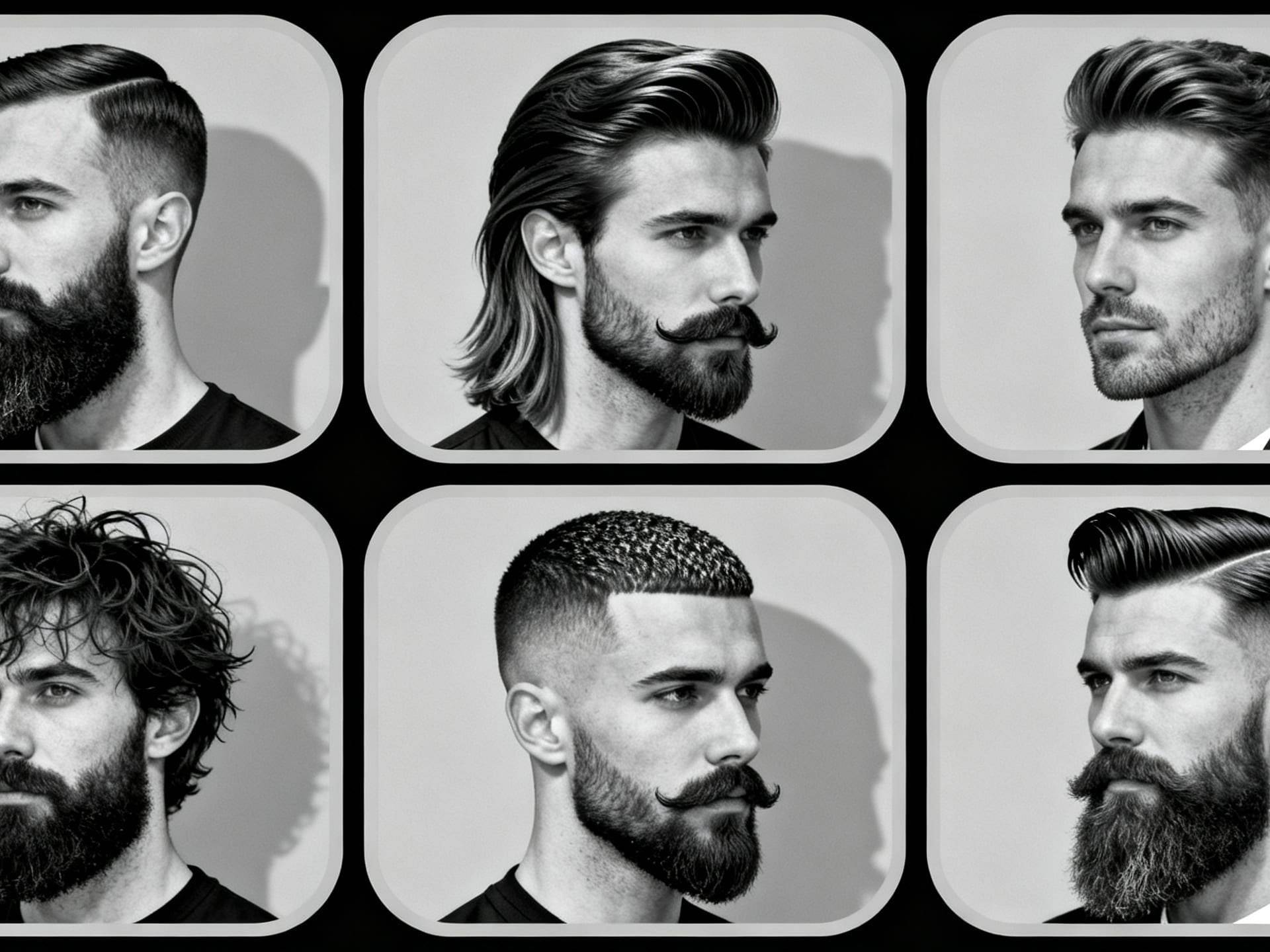
Beard neckline and cheek line rules
The style name matters less than the two lines people actually notice.
The neckline should sit low enough to frame the jaw but high enough to look clean. If it is shaved too high, the beard can look like a chin strap. If it is left too low, the neck can look heavier than the jaw.
The cheek line should follow your natural growth unless you are deliberately choosing a sharper style. For many men, cleaning stray hairs above the natural line is better than carving a very high or very low cheek border.
Use this quick rule:
| Goal | Neckline direction | Cheek line direction |
|---|---|---|
| Sharper jaw | Clean under the jaw, avoid shaving into the chin | Keep sides controlled |
| Softer square face | Keep corners rounded, not boxy | Avoid severe straight lines |
| Longer-looking round face | Leave more shape below the chin | Keep cheek bulk lower |
| Shorter-looking long face | Avoid extra chin drop | Keep even side fullness |
Patchy beard and uneven growth
Patchy growth does not automatically mean no beard. It means you should pick a style that uses the strongest areas.
If cheeks are patchy but chin and mustache are strong, try a goatee, circle beard, anchor beard, or mustache with light stubble. If the chin is weak but cheeks grow well, try a short full beard or a softer boxed shape. If everything is uneven, stubble can still be a style if the edges are clean.
Do not chase density by leaving every area long. That usually makes patchy growth more obvious. A shorter, cleaner shape often looks fuller because the contrast is controlled.
What to ask your barber for
Do not walk in and say "make my beard suit my face." Give the barber direction.
For a round face:
"Keep the sides tighter and give me a little more shape through the chin so the beard lengthens my face without looking pointed."
For a square face:
"Keep the jaw strong, but soften the lower corners so the beard does not look like a hard box."
For a long face:
"Do not add extra length at the chin. Keep the beard shorter underneath and use even side fullness."
For patchy cheeks:
"Work with the strongest growth. If the cheeks do not fill in, keep them cleaner and build the style around the mustache and chin."
Bring one HairWow preview and one real barber reference. The preview helps with proportion on your own face; the reference helps the barber with trim length, cheek line, and finish.
Skin care and shaving notes
Beard style is partly skin care. The American Academy of Dermatology says healthy-looking facial hair starts with healthy skin, and its beard-care guidance recommends washing the face and beard daily, moisturizing, combing, and trimming carefully. Its shaving guidance also recommends shaving in the direction hair grows, rinsing after each stroke, and changing blades regularly to reduce irritation.
Cleveland Clinic notes that ingrown hairs often appear after shaving, tweezing, or waxing, and are more likely when hair is thick, coarse, or curly. If beard trimming leaves painful bumps, itching, discoloration, or possible infection, treat that as a skin issue, not just a style issue.
Practical routine:
- Wash your face and beard daily with a gentle cleanser.
- Moisturize the skin under the beard, not just the hair.
- Comb before trimming so the shape is easier to control.
- Use clean tools and avoid digging at ingrown hairs.
- If a neckline or cheek line causes repeated bumps, ask a dermatologist or barber about a less aggressive trim.
Common mistakes
Choosing a beard that copies the jaw too closely
A square face with a very square beard can look too heavy. A round face with a rounded full beard can look wider. Use the beard to balance the face, not repeat the exact same shape.
Shaving the neckline too high
A high neckline can disconnect the beard from the jaw. It often makes the beard look smaller and the chin look less supported.
Growing length to hide patchiness
Long patchy hair usually creates more contrast. Shorter length with cleaner edges often looks more deliberate.
Ignoring the haircut
A beard that looks good alone can still clash with the haircut. Plan the sideburn, temple, taper, and beard blend together.
Changing everything at once
If you are trying a new haircut, new beard length, and new mustache shape on the same day, it becomes harder to know what actually works. Preview first, then change one or two things at a time.
Sources
- American Academy of Dermatology: A dermatologist's top tips for a healthy beard
- American Academy of Dermatology: Hair removal, how to shave
- Cleveland Clinic: Ingrown Hair
FAQ
What beard style is best for a round face?
For a round face, start with an anchor beard, goatee, or short boxed beard with cleaner sides. The goal is to add shape below the chin without adding too much width at the cheeks.
What beard style is best for a square face?
For a square face, try a circle beard, short full beard, or a fuller beard with softened lower corners. The face already has structure, so the beard should refine the jaw instead of making it look blockier.
What beard style is best for a long face?
For a long face, choose a shorter beard, circle beard, or mustache with light stubble. Avoid long pointed chin styles unless you deliberately want the face to look longer.
Can I choose a beard style if my cheeks are patchy?
Yes. If cheek growth is uneven, build the beard around the mustache and chin with a goatee, circle beard, anchor beard, or mustache. Keep patchy areas shorter instead of growing them long to compensate.
Should my beard match my haircut?
It should match the haircut's level of polish and visual weight. A clean side part usually works with a clean beard line. A textured crop can handle stubble or an anchor beard. A shaved head often benefits from more deliberate facial hair because the beard becomes the main frame.
Can HairWow tell me my exact barber trim length?
HairWow helps preview the visual direction on your own face. Use it to decide where the beard weight should sit, then bring that preview to your barber so they can translate it into guard length, neckline, cheek line, and maintenance.
Summary
The right beard style for your face shape is about balance. Add length if the face is round, add width if the face is long, soften corners if the jaw is square, and strengthen the lower face if the chin is narrow. Preview the direction in HairWow first, then ask your barber for a specific shape instead of a vague trim.