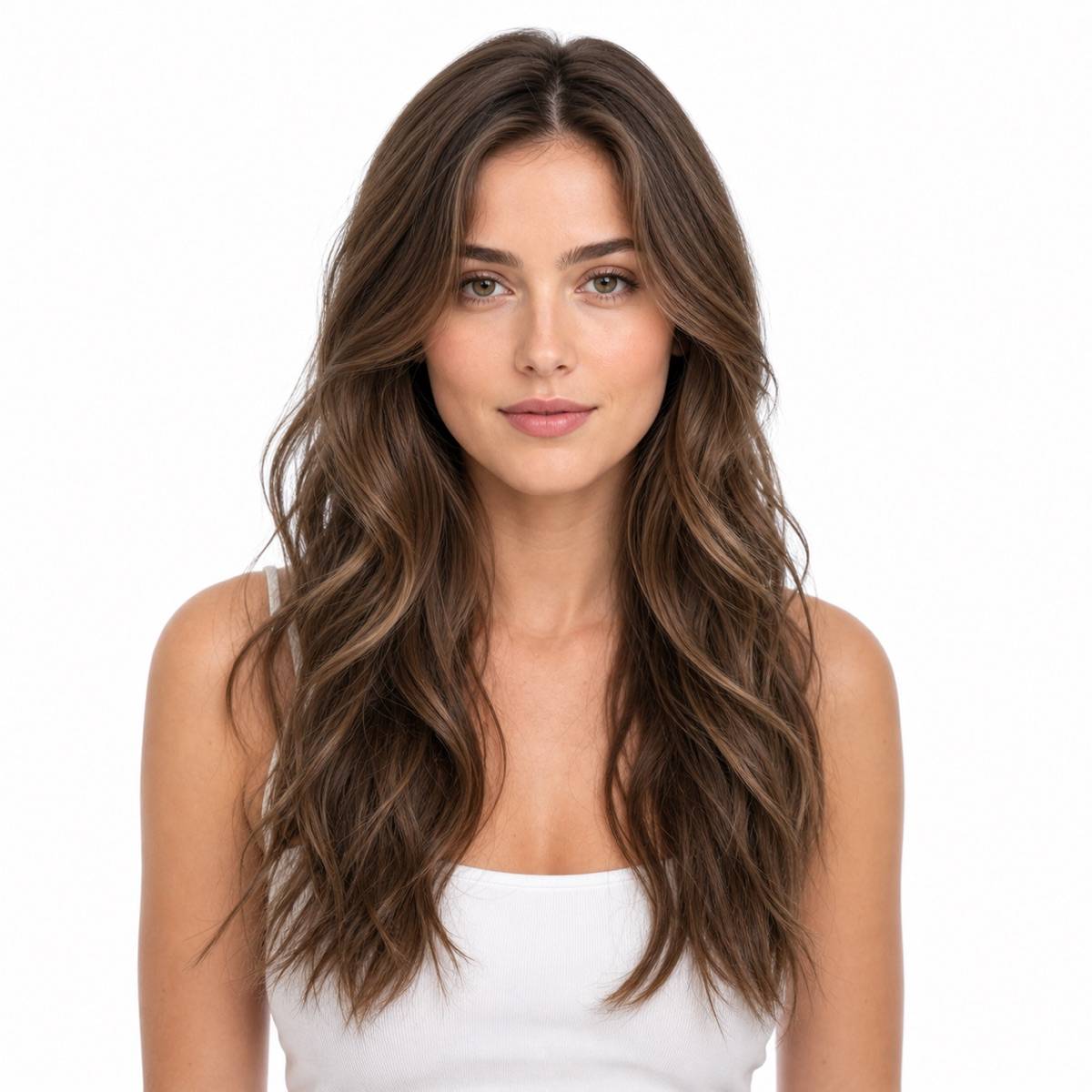
1920s Hairstyles Guide: Finger Waves, Bobs, and Party Looks to Preview
Compare finger waves, short bobs, faux bobs, soft waves, pinned updos, and other 1920s hairstyles before you bring a vintage reference to the salon.

· 13 min read
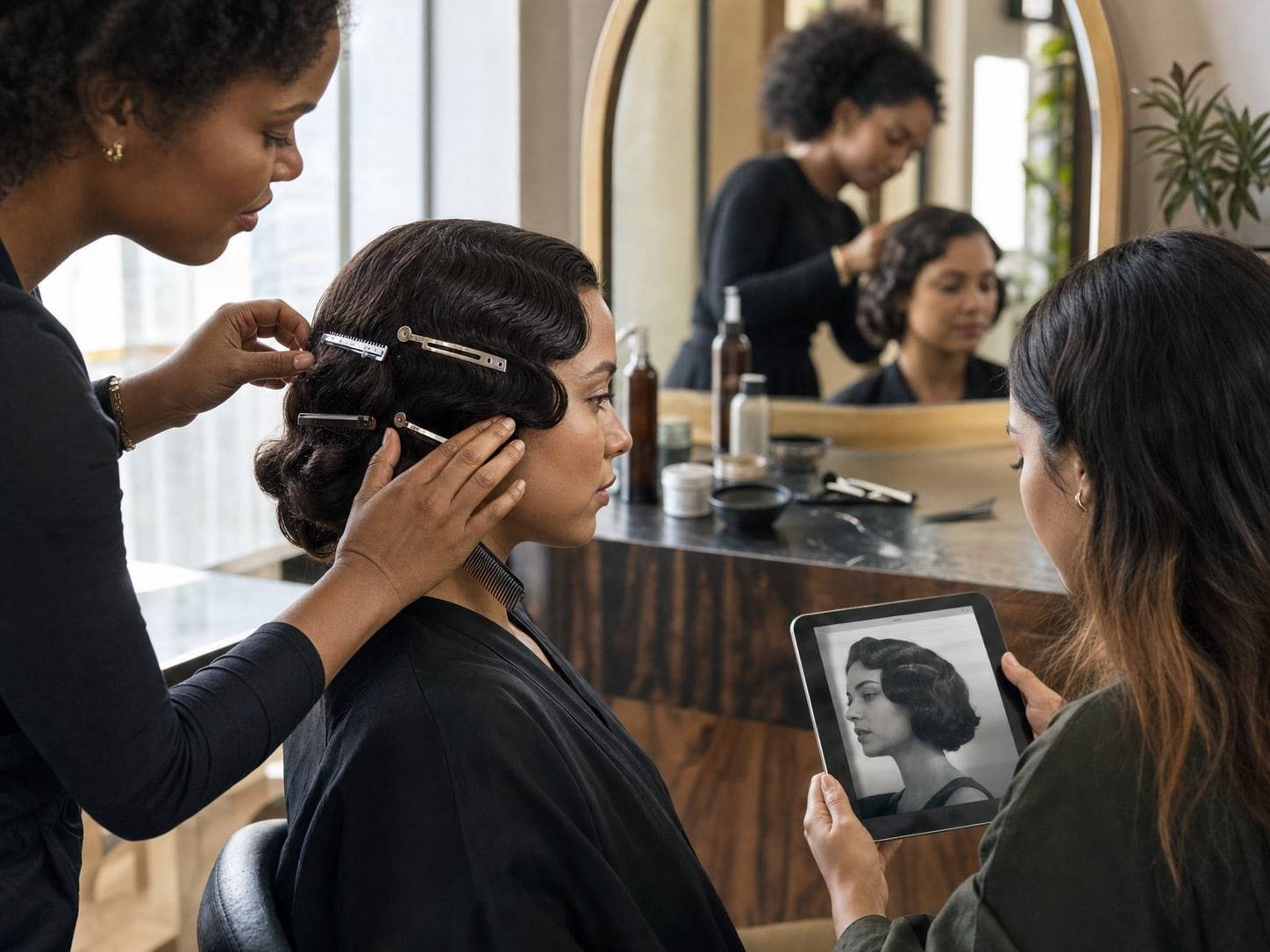
On this page
1920s hairstyles are beautiful because they have clear shape. Finger waves, short bobs, faux bobs, sculpted side parts, and pinned evening styles can make a look feel sharp and deliberate. The catch is that a literal 1920s reference can also look stiff, costume-like, or too formal if the cut, shine, and tension are not adjusted for real life.
Direct answer: the most wearable 1920s hairstyles today are soft finger waves, jawline bobs, faux bobs for long hair, brushed short curls, side-parted waves, low pinned updos, and sleek cropped shapes. Choose by length first, then by face shape, hair density, natural texture, and how much setting or pinning you are willing to do.
Start with the silhouette instead of the decade label. Preview a bob cut, short curls, long wavy hair, or an updo shape in HairWow Try-On, then bring your stylist a reference that matches your actual length and texture.
What are 1920s hairstyles?
1920s hairstyles are cuts and styling directions inspired by the bobbed, waved, polished hair shapes associated with the 1920s. The common visual signals are finger waves, short bobs, side parts, cropped curls, faux bobs, pinned rolls, low evening shapes, and glossy sculpted movement. A modern 1920s hairstyle keeps the curve or outline but relaxes the finish so the hair still feels wearable.
Key takeaways
- The easiest 1920s hairstyles to modernize are soft finger waves, short bobs, side-parted waves, faux bobs, and low pinned updos.
- A bob is the clearest 1920s signal, but a faux bob can give the mood without cutting long hair.
- Finger waves need patience, product, and controlled sections. They are not a low-effort daily style for everyone.
- Fine hair usually needs light structure; thick hair may need weight removal so the bob or wave does not widen too much.
- Pinned styles should never pull tightly at the hairline. If the scalp hurts, loosen the style.
Definition: A 1920s hairstyle is a cut or styling direction that uses bobbed length, finger-wave curves, side parts, cropped curls, faux-bob pinning, or polished low shapes inspired by 1920s hair. A modern version keeps the recognizable curve and outline while reducing stiffness, shine, and tension.
What makes 1920s hair wearable now?
The modern version usually keeps one 1920s signal and drops the rest. A finger-wave front can work with a relaxed bob. A faux bob can pair with soft texture. A side part can nod to the era without turning the whole style into a formal theme.
| 1920s detail | Modern update | Best if you want |
|---|---|---|
| Finger waves | Softer S-waves near the face | Vintage shape without a rigid full set |
| Short bob | Jawline or chin bob with movement | A clear haircut change |
| Faux bob | Pinned long hair that looks shorter | Event styling without cutting |
| Glossy finish | Low-shine polish | Control without helmet hair |
| Side part | Natural side part with a soft wave | Face framing and asymmetry |
| Cropped curls | Short curls with touchable definition | Shape on naturally curly hair |
The useful test is simple: would you still like the shape when the shine fades and the pins come out? If the answer is no, treat it as an event style, not a haircut plan.
11 1920s hairstyles to consider
1. Soft finger waves
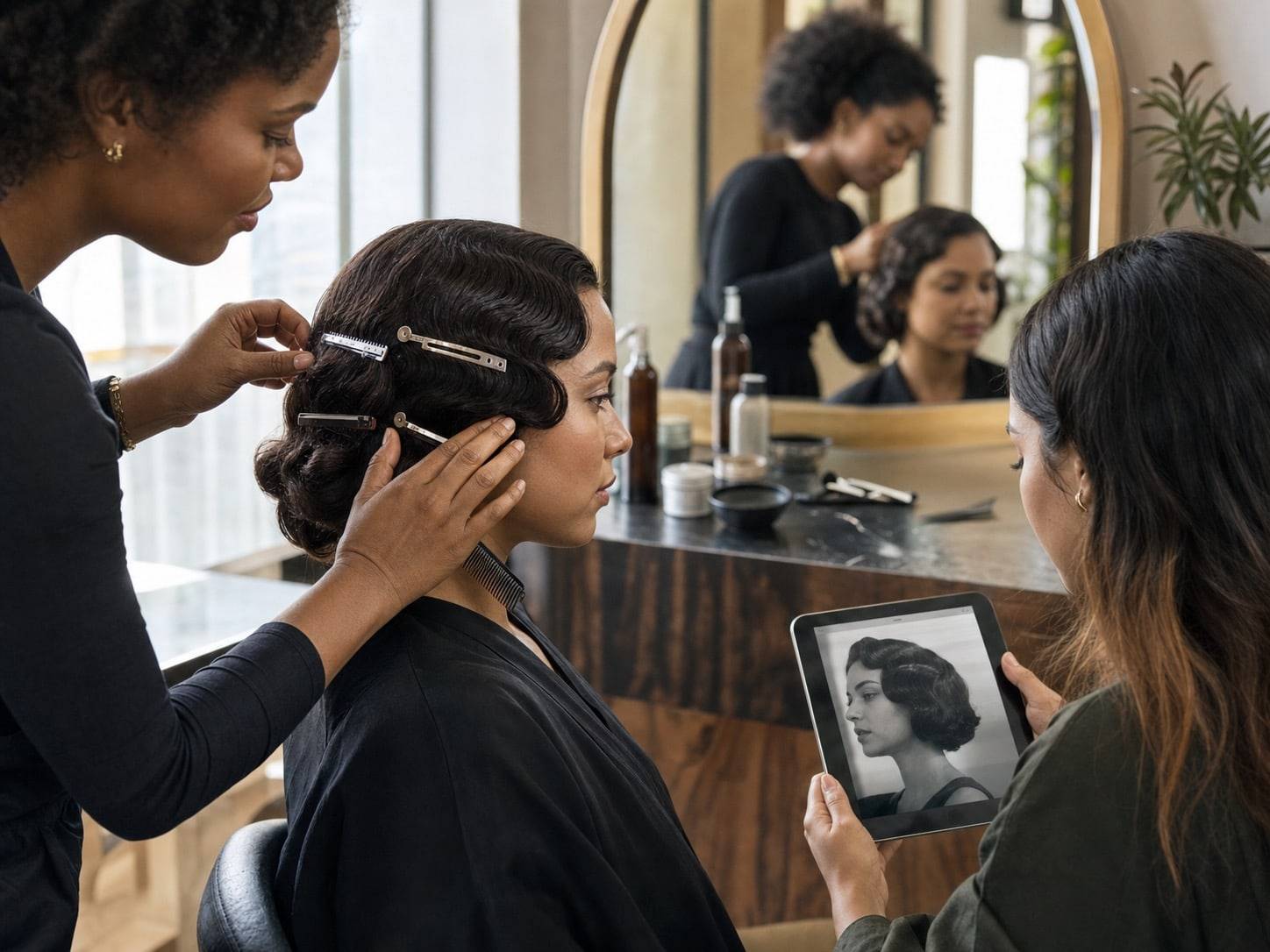
Soft finger waves are the signature 1920s direction. The hair forms S-shaped curves, usually around the front and sides.
The modern version does not need to be perfect from root to end. A waved front with softer lengths is easier to wear than a strict full-head set.
2. Jawline bob
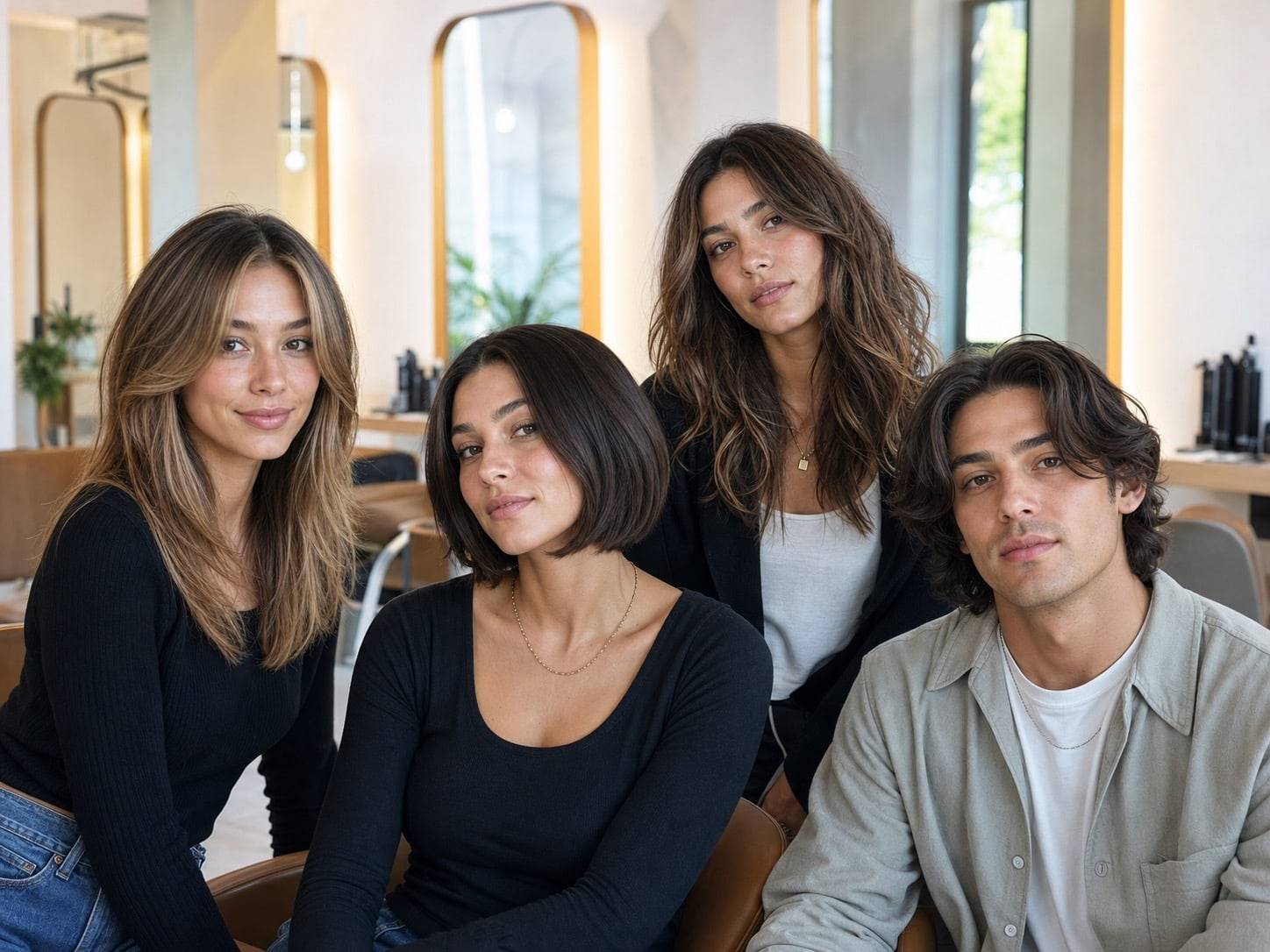
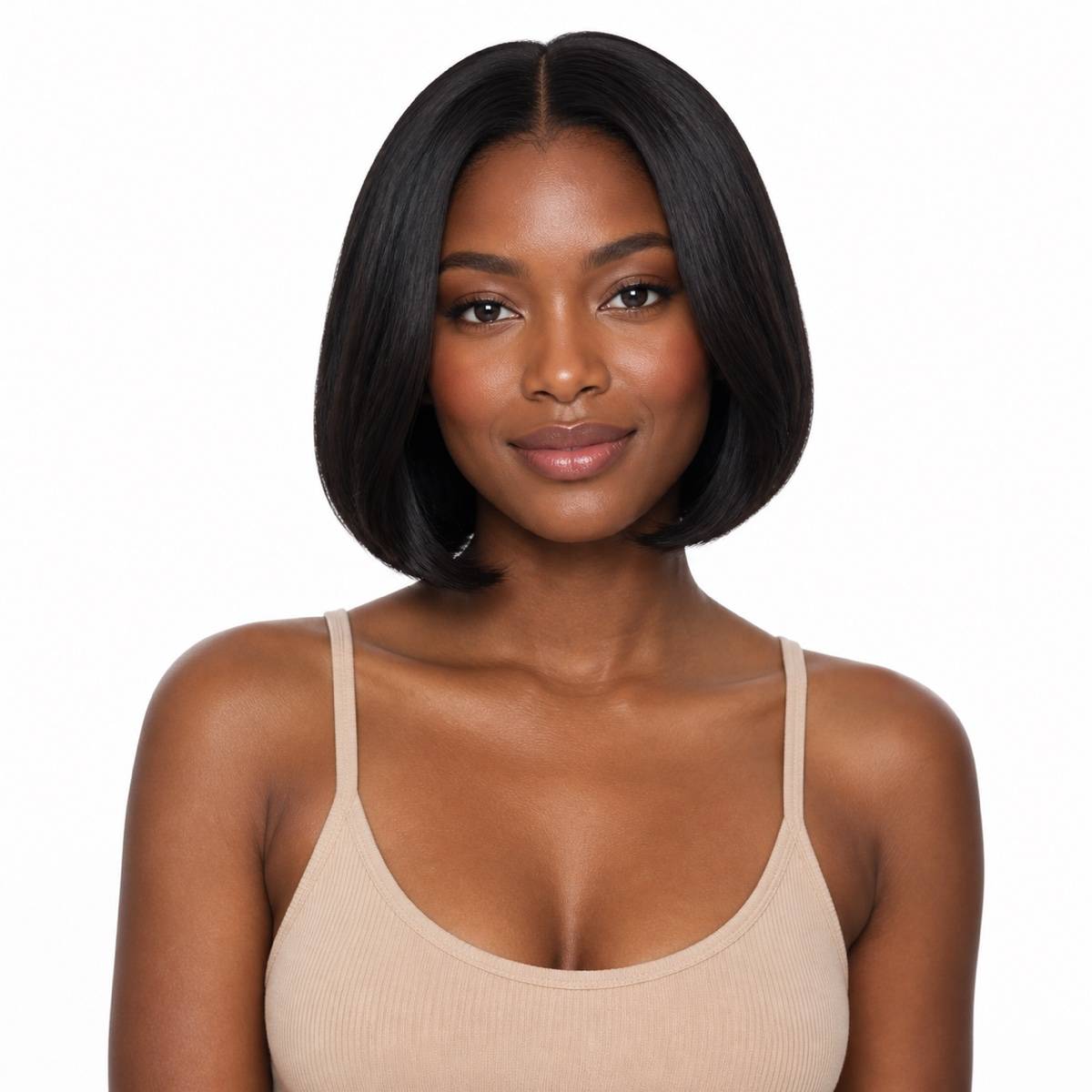
A jawline bob gives the strongest 1920s read. It frames the lower face and makes the neckline feel clean.
Ask for enough movement that the bob does not sit like a hard block. If your hair is thick, the interior weight matters as much as the length.
3. Chin-length bob with side part
A side-parted bob is easier for many faces than a blunt center-part bob. It adds asymmetry and can soften the forehead.
This is a good choice if you want the decade mood but still need the cut to work for daily outfits, work, and casual photos.
4. Faux bob for long hair
A faux bob pins longer hair under so it looks shorter from the front. It is useful for parties, weddings, vintage events, and anyone afraid to cut.
The annoying part is security. A faux bob has to be pinned well enough to move, hug, dance, or sit through dinner without collapsing.
5. Brushed short curls
Brushed short curls work when you want softness instead of a sharp bob. The style can sit around the cheekbones, ears, or jaw.
This is especially good for naturally wavy or curly hair because it does not force the hair into a straight bob reference.
6. Low pinned updo
A low pinned updo can feel 1920s without exposing the whole neckline through a short cut. It works well for medium and long hair.
Keep the front soft. A hard, tight front section can age the style and may feel uncomfortable after an hour.
7. Sculpted side wave
A sculpted side wave gives a strong front shape while leaving the rest of the hair simpler. It is one of the most practical ways to borrow the era.
This works on bobs, lobs, and longer hair. It is also easier to adjust than cutting a fringe or shortening the whole shape.
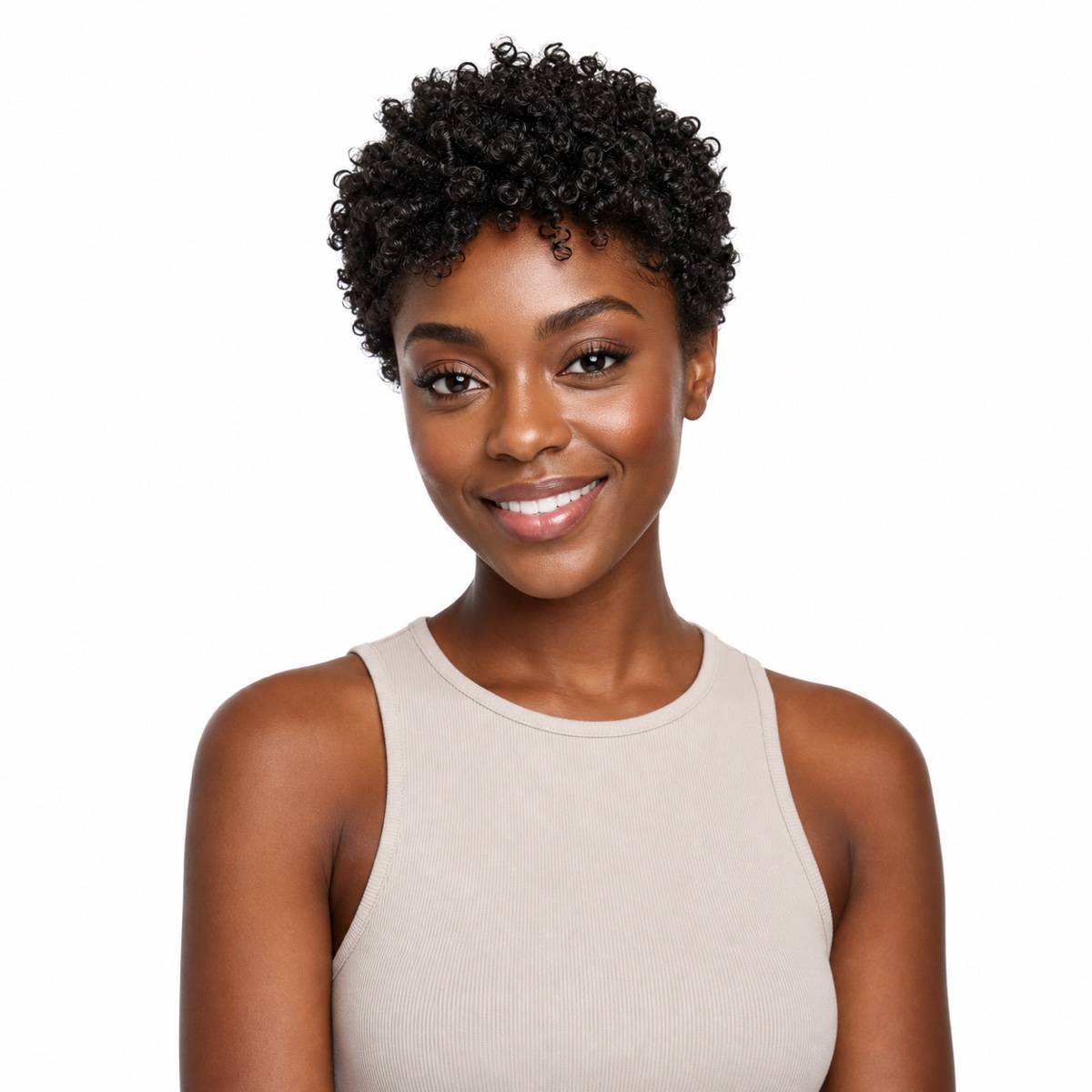
8. Short cropped curls
Short cropped curls can look polished and current when the curl pattern is respected. The goal is a planned shape, not a forced flat wave.
Ask your stylist how the cut will look air-dried as well as styled. If it only works with a full set, be honest about whether you will do that often.
9. Curved bob with tucked ends
A curved bob has a neat outline and a softer finish than a sharp blunt bob. The ends tuck lightly rather than flipping out.
Fine hair can benefit from the clean line. Thick hair may need careful shaping so the curve does not add too much width near the cheeks.
10. Long waves with a 1920s front
You do not have to cut your hair short to use a 1920s reference. Long hair can keep its length while the front section carries the vintage shape.
This is often the safest first test. If you like the side wave and face framing, you can decide later whether a bob is worth it.
11. Bob with soft fringe
A bob with a soft fringe can look modern if the fringe is light and blended. It is riskier when the bangs are too short, heavy, or rounded.
Use a try-on preview before cutting the front section. Bangs are a small amount of hair with a large effect on the face.
Best 1920s hairstyle by face shape
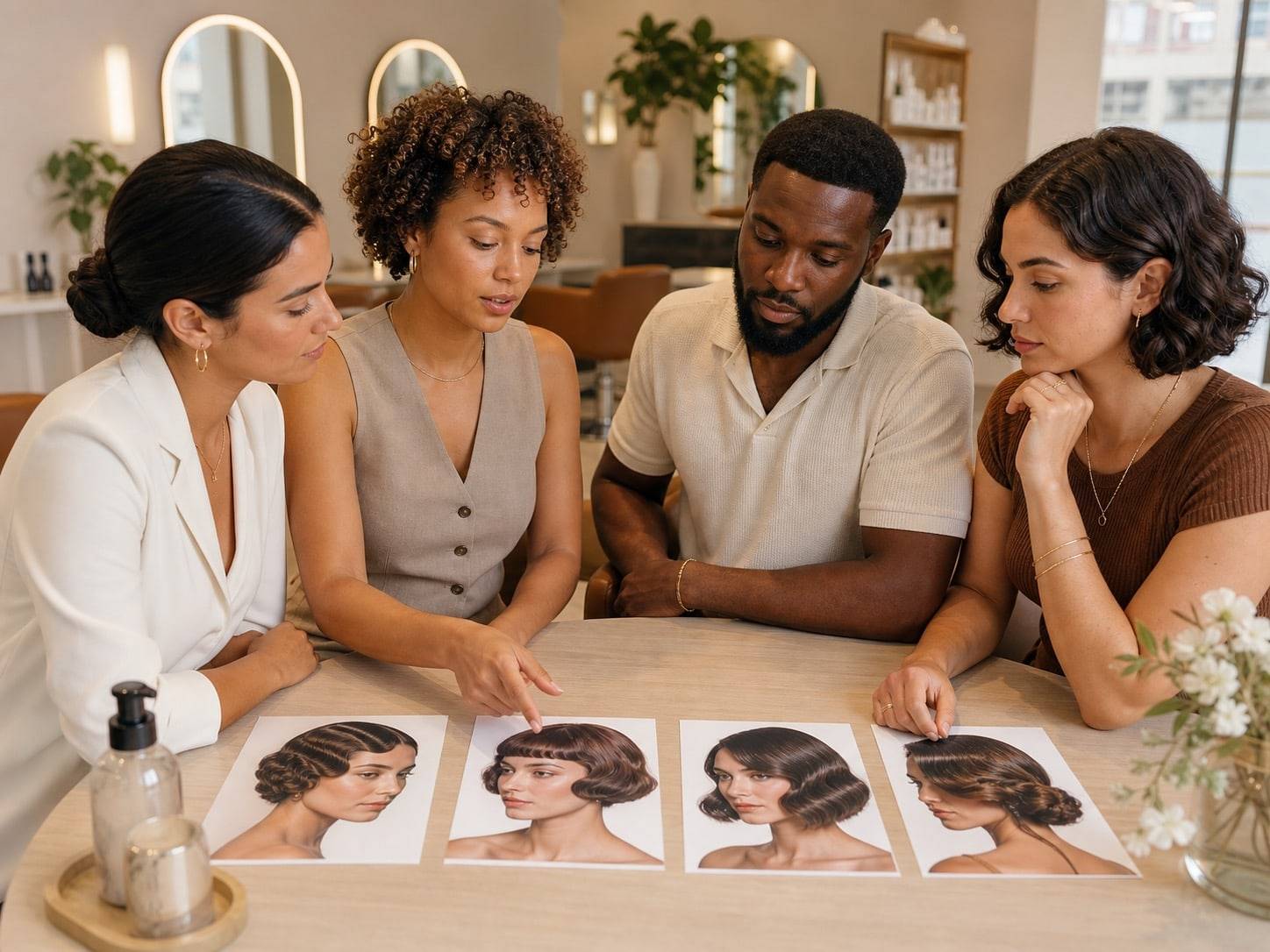
Face shape should decide where the wave, width, and length sit. It should not force everyone into the same bob.
| Face shape | 1920s direction to test | Why it works |
|---|---|---|
| Oval | Finger waves, jawline bob, faux bob | Most proportions can handle clear shape |
| Round | Side-parted bob, sculpted side wave, longer faux bob | Adds angle without widening both cheeks |
| Square | Soft finger waves, brushed curls, curved bob | Softens corners while keeping structure |
| Heart | Side wave, chin bob, low pinned updo | Balances a wider forehead and narrower chin |
| Long or oblong | Chin bob, low wave, faux bob with side width | Adds width without stacking height |
| Diamond | Curved bob, cheekbone wave, soft cropped curls | Softens the cheekbone area |
If you are unsure about your face shape, use the HairWow face-shape hairstyle guide before cutting a bob, fringe, or cropped shape.
Hair texture and styling effort
A 1920s reference can behave very differently on fine, thick, straight, wavy, curly, and coily hair.
| Hair situation | Safer 1920s choice | Be careful with |
|---|---|---|
| Fine hair | Chin bob, soft side wave, low pinned shape | Heavy product that flattens the roots |
| Thick hair | Side-parted bob, faux bob, sculpted wave | Bob width around the cheeks |
| Straight hair | Jawline bob, curved bob, side wave | Styles that need daily wet setting |
| Wavy hair | Soft finger wave, brushed bob, long waves | Over-polishing until the wave looks stiff |
| Curly hair | Cropped curls, brushed short curls, pinned updo | Copying straight finger waves exactly |
| Coily hair | Sculpted short shape, soft pinned style, low updo | Tight tension at the edges |
Hair health matters here. The American Academy of Dermatology warns that hairstyles that pull tightly, including tight ponytails, buns, braids, and updos, can contribute to traction alopecia. If a 1920s-inspired updo pulls at the hairline, loosen it.
Hair also takes time to grow out. Cleveland Clinic explains that scalp hair grows about 1 centimeter per month, so a very short bob or fringe deserves more than one reference photo.
Preview the shape before you cut
Use a try-on preview to answer the questions a flat mood board cannot answer:
- Does a bob frame your jaw or make the sides too wide?
- Do short curls soften your face or look too round?
- Does a side wave flatter your forehead and cheekbones?
- Can long hair fake the bob shape well enough for an event?
- Will the style work when it is less shiny and less freshly set?
Try these directions first:
You can also browse HairWow styles for bobs, curls, waves, updos, bangs, and vintage-adjacent shapes. If your hair is breaking, shedding, or feeling unusually dry, run HairWow Hair Analysis before relying on tight pinning, heat styling, or repeated setting.
What to ask your stylist for
Do not just say "I want 1920s hair." That can mean a bob, finger waves, a faux bob, a pinned updo, cropped curls, or a formal event set.
For a finger-wave front:
"I want a soft 1920s-inspired wave around the front and side, but I do not want the whole style to look stiff or wet."
For a bob:
"I want a chin or jawline bob with a clean outline and soft movement, not a heavy rounded shape that widens my face."
For a faux bob:
"I want my long hair pinned to look shorter for the event, with enough hold to move comfortably."
For cropped curls:
"I want a short curly shape with polish, but I want it to respect my natural curl pattern instead of forcing flat waves."
Bring two references: one for the front and one for the side. Most 1920s mistakes happen because the front photo looks good but the side shape is too wide, too flat, or too formal.
Common mistakes
The first mistake is choosing a full finger-wave set when you only like the front curve. Ask for a wave detail first.
The second mistake is cutting a bob too short because the reference looks dramatic. A jawline bob, chin bob, and ear-length bob are not the same haircut.
The third mistake is using too much shine. Gloss can look elegant in a photo, but it can also make the hair look hard in daylight.
The fourth mistake is pinning long hair too tightly for a faux bob or updo. Comfort is not optional if you need to wear the style for hours.
The fifth mistake is ignoring your real texture. A straight-hair finger wave reference may not translate cleanly to curly or coily hair, and that is not a failure of your hair.
FAQ
What is the most wearable 1920s hairstyle today?
For most people, a side-parted bob or soft finger-wave front is the easiest choice. It gives a clear 1920s signal without requiring a strict full set. Long hair can start with a faux bob or side wave before committing to a shorter cut.
Can I do a 1920s hairstyle without cutting my hair?
Yes. A faux bob, low pinned updo, side wave, or waved front section can create the mood without losing length. This is the safest route for weddings, parties, photos, or anyone who likes the look but is not ready for a bob.
Are finger waves hard to maintain?
They can be. Finger waves need sectioning, product, clips, drying time, and patience. A soft front wave is easier than a full-head set. If you want a daily style, ask your stylist for a relaxed version that can be refreshed without starting over every morning.
Do 1920s hairstyles work on curly hair?
Yes, but the best version may be cropped curls, brushed curls, or a sculpted curly bob rather than flat finger waves. Curly hair does not need to imitate straight-hair references exactly. Keep the curve, polish, and outline while respecting the natural curl pattern.
What should I show my stylist for a 1920s bob?
Show the front, side, and back if possible. Say where you want the length to land dry: jaw, chin, or ear level. Also mention whether you want the ends tucked, softly curved, or blunt. That is clearer than saying "flapper bob" and hoping the interpretation matches.
Is a 1920s hairstyle good for a wedding guest?
It can be, especially a soft side wave, faux bob, or low pinned updo. Keep it comfortable and avoid anything that competes with the outfit or needs constant repair. If the event is long, choose a style that still looks intentional after the first few hours.
The practical way to choose
Pick the shape first: bob, wave, faux bob, curls, or updo. Then test whether the width, length, and front section suit your face. A 1920s hairstyle should make your features look deliberate, not make you feel locked into a costume.
Preview the direction in HairWow Try-On, save the version that looks most realistic, and bring that image to your stylist with one sentence about your daily maintenance limit. That combination beats a mood board full of perfect vintage photos.