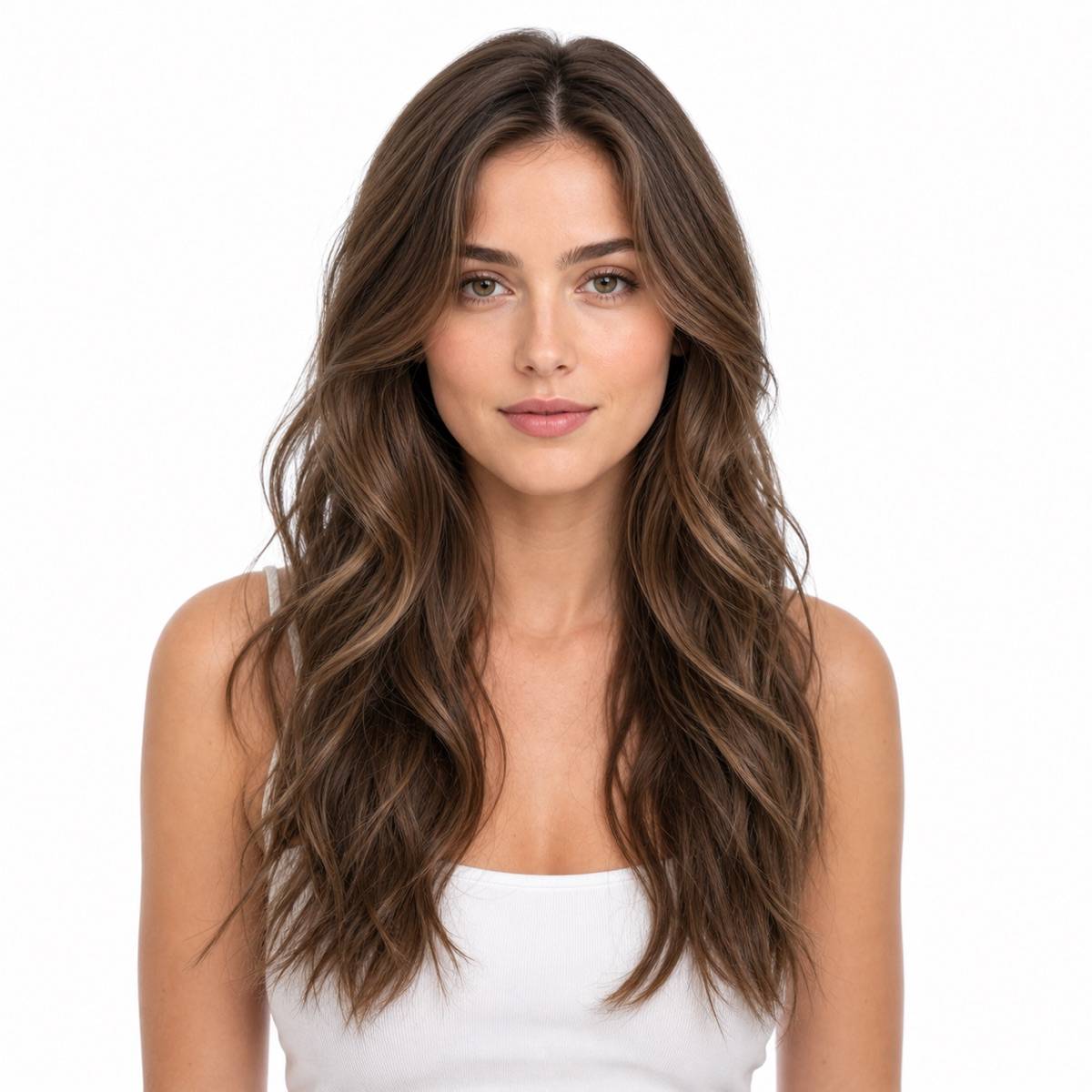
50s Hairstyles Guide: 13 Classic Looks That Still Work
Compare pageboy bobs, short curls, ponytails, brushed waves, quiffs, pompadours, and other 50s hairstyles before you bring a vintage reference to the salon or barber.
· 13 min read

On this page
50s hairstyles are appealing because they look intentional. The best versions have clear shape, polish, and face framing. The problem is that a literal vintage reference can quickly look stiff, over-set, or too formal for daily life.
Direct answer: the most wearable 50s hairstyles today are pageboy bobs, soft short curls, brushed waves, ponytails with volume, side-parted bobs, polished pixies, quiffs, low pompadours, and neat side parts. The right choice depends on your face shape, hair density, natural texture, and how much styling you want to do before leaving the house.
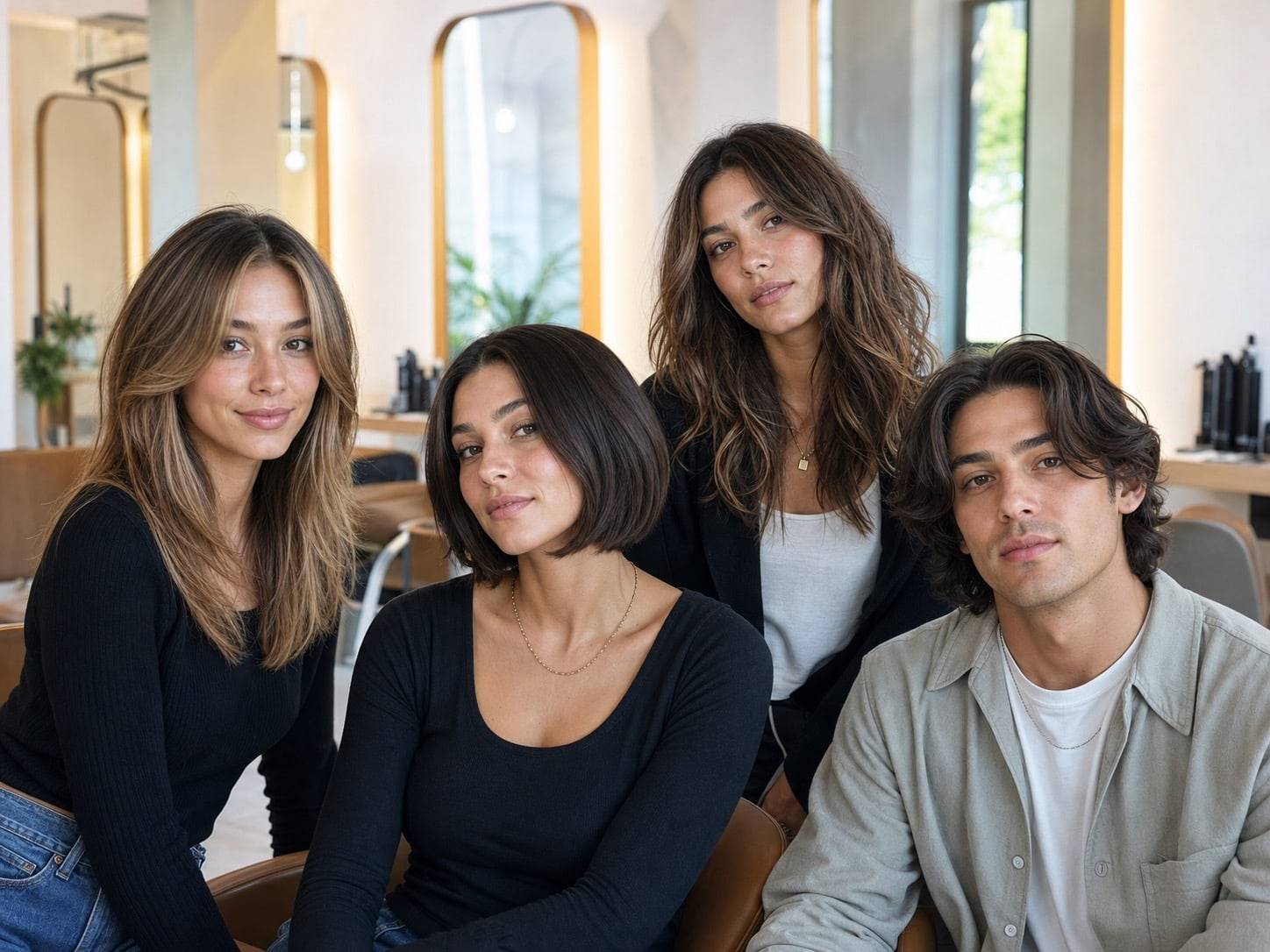
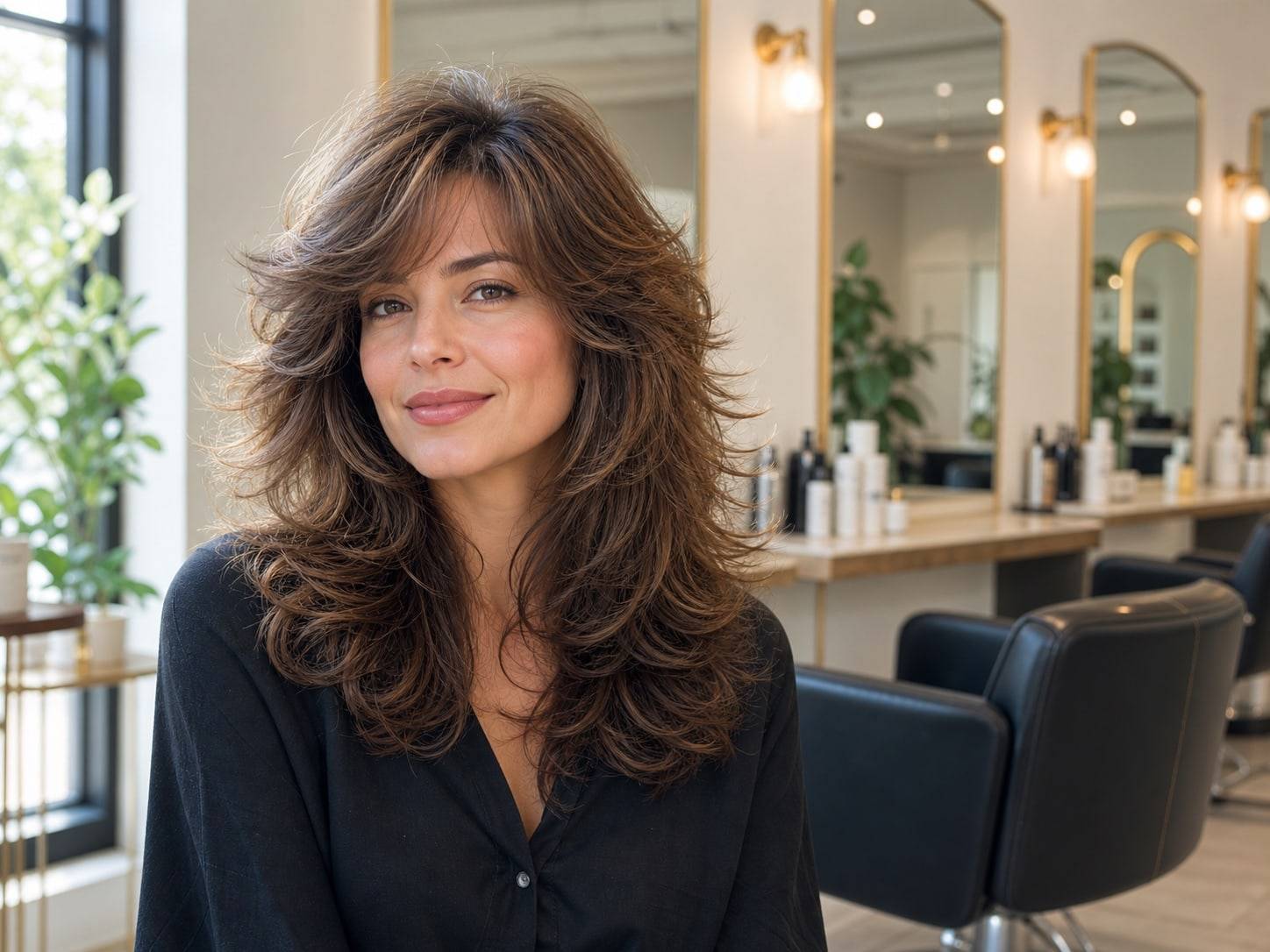
Start with the silhouette instead of the decade label. Preview a bob cut, short curls, long wavy hair, and soft volume in HairWow Try-On, then bring your stylist or barber a reference that matches your real texture.
What are 50s hairstyles?
50s hairstyles are cuts and styling directions inspired by 1950s hair, usually built around polished curls, pageboy bobs, neat side parts, brushed waves, ponytails, rolled or lifted fronts, quiffs, pompadours, and tidy barbered shapes. A modern 50s hairstyle keeps the structure but relaxes the finish so the hair looks wearable instead of theatrical.
Key takeaways
- The easiest 50s hairstyles to modernize are pageboy bobs, soft curls, side-parted waves, ponytails with volume, and low quiffs.
- The finish matters as much as the cut. Too much shine or stiffness can make the style feel costume-like.
- Fine hair usually needs clean outlines and light lift; thick hair may need weight removed so the shape does not puff out.
- Curly hair should use its natural pattern instead of being forced into a straight-hair reference.
- Tight ponytails, rolls, clips, or pinned styles should stay comfortable. If the scalp hurts, the style is too tight.
Definition: A 50s hairstyle is a cut or styling direction that uses 1950s-inspired polish, curls, waves, side parts, ponytail lift, bobs, quiffs, or pompadour volume. A modern version keeps the clear shape but softens the hold, shine, and maintenance.
What makes 50s hair wearable now?
The modern version is cleaner and softer than a full vintage set. Keep the line, curve, or lift that flatters you, then reduce anything that looks frozen.
| 50s detail | Modern update | Best if you want |
|---|---|---|
| Pageboy bob | Softer bob with curved ends | Shape without long styling time |
| Set curls | Brushed soft curls | Polish without a hard helmet finish |
| High ponytail | Comfortable ponytail with front softness | Lift without cutting hair |
| Quiff or pompadour | Lower, matte front volume | Retro shape with a current finish |
| Side part | Natural side part with control | Neatness without looking severe |
| Hair scarf or roll | Loose accessory or soft front lift | Vintage mood without daily setting |
The useful question is not "Is this vintage enough?" It is "Does this shape still look good after two hours?" A photo from the front can hide side bulk, a too-short bang, or a top section that needs constant product. Check the side view, the height at the crown, the width around the cheeks, and the way the ends sit.
13 50s hairstyles to consider
1. Pageboy bob
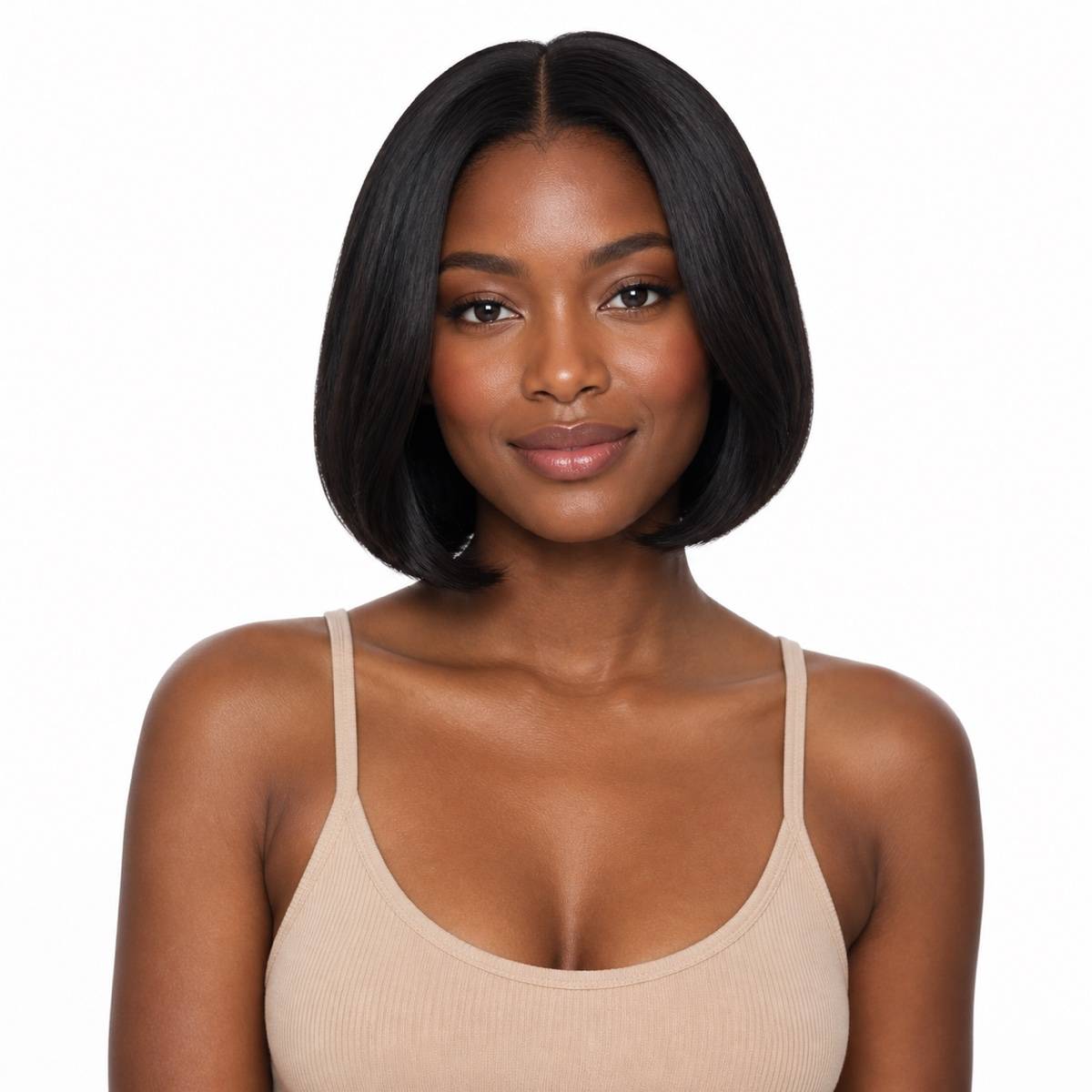
A pageboy bob gives the clearest 50s signal for short to medium hair. The outline is neat, the ends curve under, and the shape frames the jaw.
Modernize it by keeping the ends soft instead of round and heavy. If your hair is very thick, ask for careful internal weight removal so the sides do not balloon.
2. Short soft curls
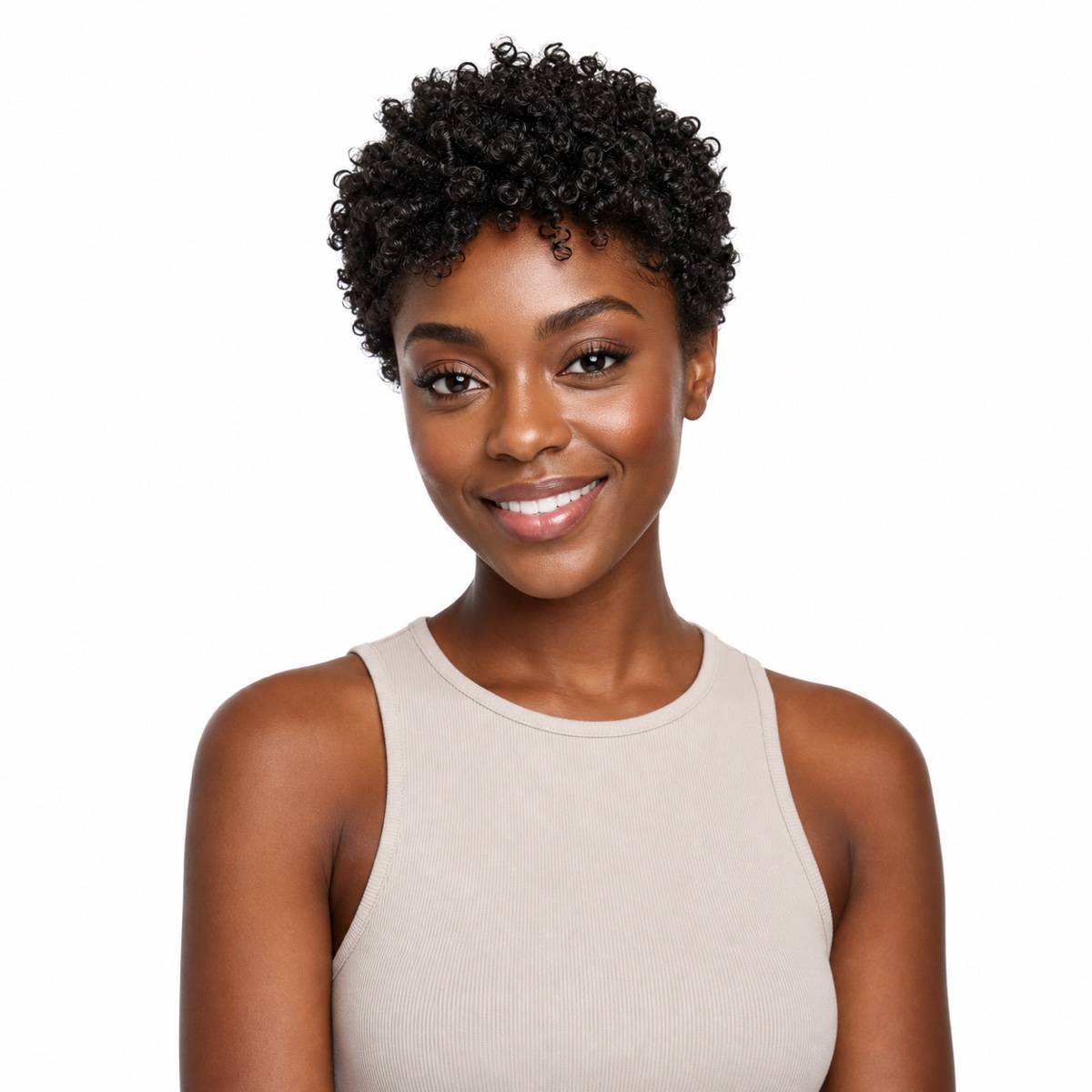
Short soft curls work when you want the 50s mood without a strict bob. The shape can sit around the ears, jaw, or cheekbones depending on your length.
This is strongest when the curls look brushed and touchable. A crunchy or overly sprayed finish will make the style look older than intended.
3. Brushed shoulder waves
Brushed shoulder waves give medium or long hair a polished 50s shape. They work well for events, photos, weddings, and anyone who likes a smoother finish.
The risk is making every wave identical. Keep the bend soft and let the ends move so the style still feels current.
4. High ponytail with volume
A high ponytail with soft front lift is one of the easiest 50s ideas to test without cutting your hair. It can sharpen the cheekbones and make a simple outfit look finished.
Keep the ponytail comfortable. The American Academy of Dermatology warns that hairstyles that pull tightly, including tight ponytails, buns, braids, and updos, can contribute to traction alopecia.
5. Side-parted bob
A side-parted bob is less literal than a pageboy and usually easier to wear. It can sit at the chin, jaw, or just above the shoulder.
This is a good option if a center part makes your hair look flat. The side part adds movement without needing a big height change.
6. Polished pixie
A polished pixie can bring 50s structure through a neat fringe, clean sides, and controlled texture. It looks best when the hairline, sideburns, and crown are planned carefully.
Short hair exposes the haircut quickly, so do not rely on styling product to fix a shape you do not like. Preview the outline first.
7. Low quiff
A low quiff is a practical way to borrow 50s men's hair without going full rock-and-roll. It adds height at the front while keeping the sides tidy.
Ask for moderate lift, not maximum height. A lower quiff is easier for work, photos, and daily styling.
8. Soft pompadour
A soft pompadour works when you want more front volume than a quiff but still want the finish to feel modern. It can work on men's cuts, short women's cuts, and some androgynous styles.
Avoid making the front too tall if your face is already long. For a round face, a little height can help; for an oblong face, a side part may be safer.
9. Classic side part
The classic side part is a quiet 50s direction. It works for straight, wavy, and medium-density hair when the sides are clean and the top has enough length to move.
The modern version should not look shellacked. Use enough product for control, but keep the hair touchable.
10. Rolled front detail
A rolled front detail gives obvious vintage mood without changing the whole haircut. It can sit with a ponytail, bob, waves, or an updo.
Use it as an occasional style first. If you only like your hair with a roll, you may want shorter face framing or a different front section.
11. Scarf ponytail
A scarf ponytail is a low-risk way to test the decade. It adds color and shape while letting your actual haircut stay simple.
Tie it loosely and watch the tension near the hairline. A style that feels cute but pulls all day is not a good daily plan.
12. Short curled bob
A short curled bob sits between pageboy polish and soft curls. It works well when the shape hugs the jaw without becoming too round at the cheeks.
Fine hair should keep the outline full. Thick hair may need the underside softened so the bob does not stack into a triangle.
13. Brushed-back waves
Brushed-back waves give a smooth, dressier direction for medium or long hair. They work especially well for events when you want the face open.
The style needs a good base shape. If the top collapses or the ends look dry, the waves will not hide it.
Best 50s hairstyle by face shape
Face shape should guide where the width, curve, and height sit. It should not force you into one "correct" retro style.
| Face shape | 50s direction to test | Why it works |
|---|---|---|
| Oval | Pageboy bob, soft curls, side part, quiff | Most proportions work, so choose by texture |
| Round | Low quiff, side-parted bob, ponytail lift | Adds vertical movement without widening cheeks |
| Square | Brushed waves, soft curls, curved bob | Softens angles without hiding the jaw |
| Heart | Pageboy bob, side-swept front, ponytail with softness | Balances a wider forehead and narrower chin |
| Long or oblong | Side part, shoulder waves, lower bob | Adds width without stacking too much height |
| Diamond | Jawline bob, brushed waves, side softness | Reduces harshness around the cheekbones |
If you are not sure which face shape you have, use the HairWow face-shape hairstyle guide before cutting a bob, pixie, or front section.
Hair texture and styling effort
The same 50s reference can behave very differently on fine, thick, straight, wavy, curly, or coily hair.
| Hair situation | Safer 50s choice | Be careful with |
|---|---|---|
| Fine hair | Pageboy bob, side part, light ponytail lift | Too much teasing or heavy curl sets |
| Thick hair | Side-parted bob, brushed waves, soft pompadour | Rounded side bulk around cheek level |
| Straight hair | Bob, side part, low quiff | Styles that need daily curling to look finished |
| Wavy hair | Brushed waves, soft curls, side-parted bob | Over-polishing until the wave disappears |
| Curly hair | Short soft curls, rounded bob, scarf styles | Straight-hair references copied exactly |
| Coily hair | Sculpted short shape, loose scarf style, soft volume | Tight tension or forcing a smoothed set |
Hair grows slowly enough that a bad front piece or short bob can feel long-lived. Cleveland Clinic explains that scalp hair grows about 1 centimeter per month, so the consultation matters more than the trend.
Preview the shape before you cut
Use a try-on preview to answer the questions a flat mood board cannot answer:
- Does a bob frame your jaw or make the sides too wide?
- Do short curls soften your features or feel too round?
- Does a side part help your face more than a center part?
- Does front volume balance your face or make it look longer?
- Will the style still look good when it is not freshly curled?
Try these directions first:
You can also browse HairWow styles for bobs, curls, waves, bangs, volume, and men's hair presets. If your hair is shedding, breaking, or feeling unusually dry, run HairWow Hair Analysis before using heat styling or tight pinned styles as the fix.
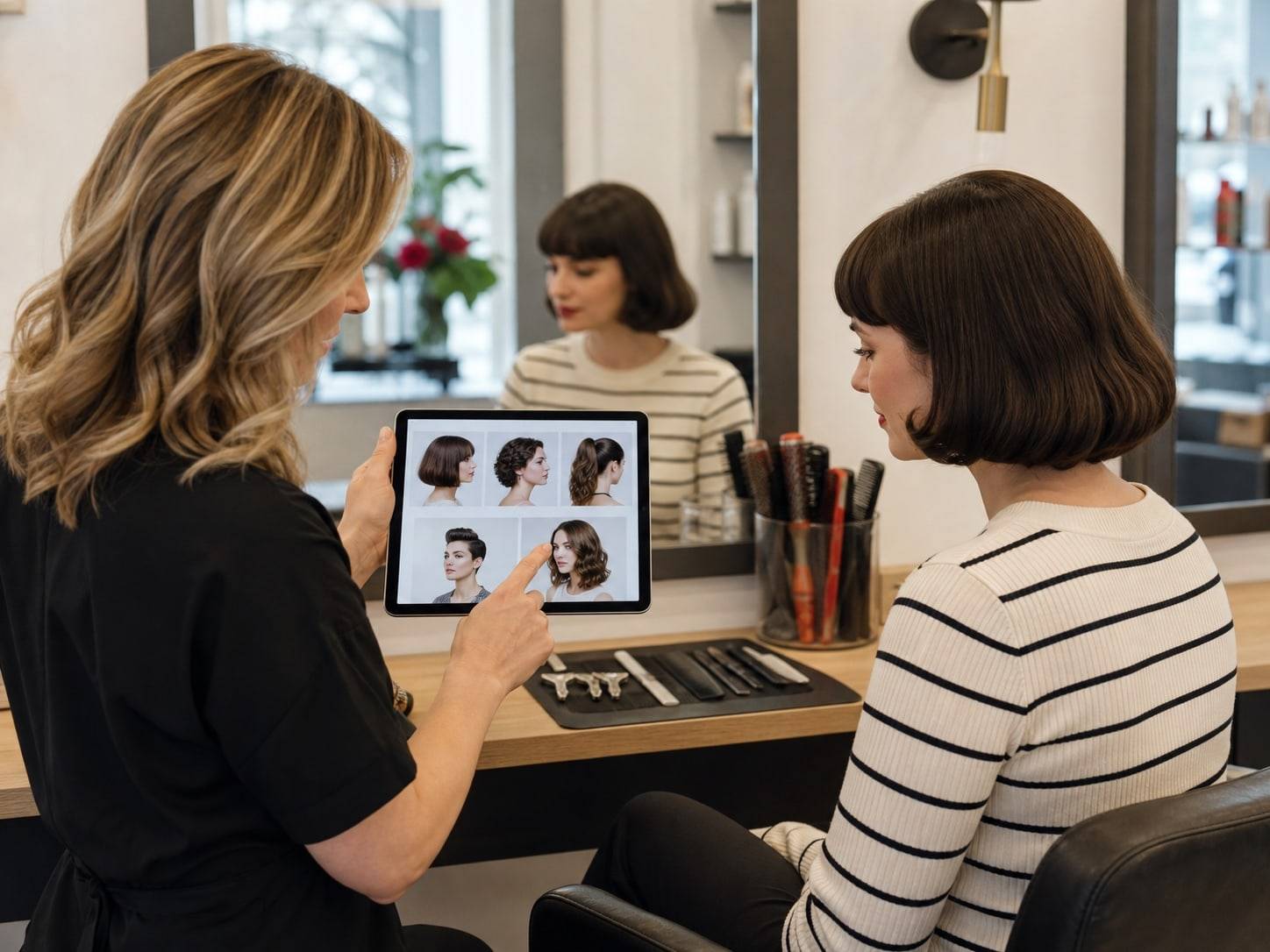
What to ask your stylist or barber for
Do not just say "I want 50s hair." That can mean a bob, curl set, ponytail, quiff, pompadour, side part, or formal event style.
For a pageboy bob:
"I want a softly curved bob with a clean outline, but I do not want the sides to look too round or heavy."
For short curls:
"I want soft, brushed curls that keep movement and do not look stiff or sprayed into place."
For a ponytail:
"I want lifted front shape and a smooth ponytail, but please keep the tension comfortable around my hairline."
For a quiff or pompadour:
"I want a low, wearable front lift with tidy sides, not a tall vintage shape that needs heavy product."
Ask to see where the fullest side section will sit, how the front will behave when it falls forward, and what the haircut looks like without the final product.
Common mistakes
The first mistake is choosing a 50s reference only because the photo looks polished. A polished photo may hide rollers, setting time, product, and a very specific density.
The second mistake is making the bob too round. A curved bob can be flattering, but too much side volume can widen the face.
The third mistake is pushing front volume too high. It may look strong in one angle and unbalanced from the side.
The fourth mistake is using tight ponytails, rolls, or pinned sections every day. If the scalp feels sore, loosen the style.
The fifth mistake is ignoring hair condition. A shiny vintage finish will not fix dry ends, breakage, or shedding.
Sources checked
- American Academy of Dermatology: Hairstyles that pull can lead to hair loss
- Cleveland Clinic: Hair Follicle
FAQ
What is the most popular 50s hairstyle now?
For most people, the practical answer is a soft bob, brushed waves, or a ponytail with volume. Those styles give a recognizable 50s shape without needing a full vintage set every day. For men's hair, a low quiff or neat side part is usually easier than a tall pompadour.
Are 50s hairstyles good for short hair?
Yes. Short hair is one of the easiest places to use 50s influence because bobs, pixies, side parts, and short curls all fit the decade. The key is keeping the finish soft enough for modern life.
Can I get 50s hair without cutting my hair?
Start there if you are unsure. Try a side part, brushed waves, a high ponytail, a scarf, or a rolled front detail before booking a cut. If the side view and face framing still work after a few hours, then consider a haircut.
Are 50s hairstyles hard to maintain?
They can be. A bob or side part may be simple, while brushed waves or set curls need more time. Be honest about your morning routine. If you will not use rollers, a round brush, or product, choose the shape that still works with less styling.
What 50s hairstyle works for curly hair?
Short soft curls, a rounded bob, or a shaped curly crop can work well. Bring references with a similar curl pattern and density. Do not copy a straight-hair pageboy exactly if your curl shrinkage changes the length.
Should I get a 50s pompadour?
Try a lower version first. A soft pompadour or quiff can add structure, but a tall front can make some faces look longer and can require daily product. If you like the lift in preview, ask your barber or stylist for a moderate version.
Bottom line
Choose the 50s idea that still looks good when it relaxes. A modern retro style should give you shape, polish, and confidence, not a haircut that only works under perfect styling.
The strongest brief is simple: clear outline, comfortable tension, soft finish, and the right amount of volume for your face from both the front and the side.