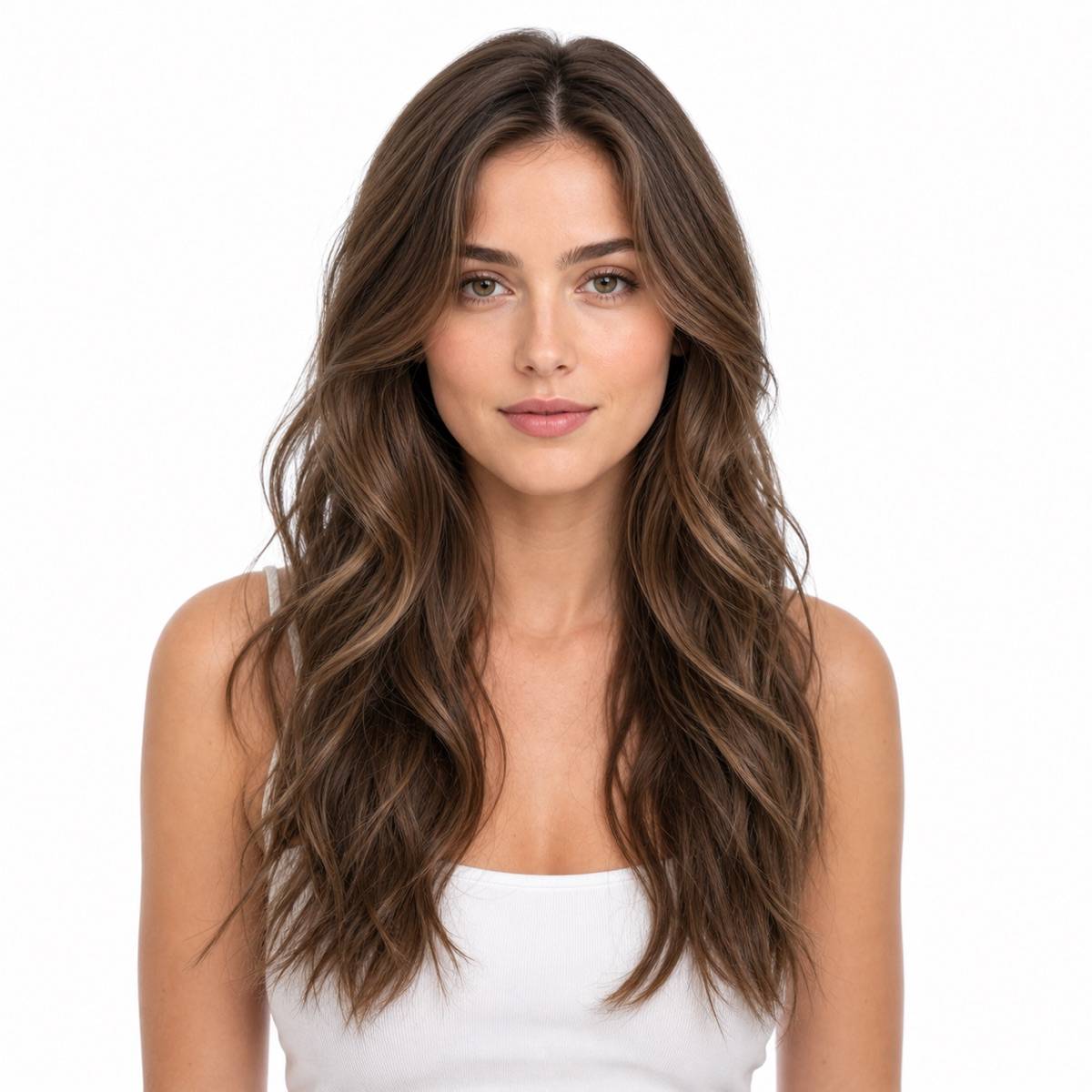
70s Hairstyles for Women: 13 Wearable Retro Looks
Compare feathered layers, curtain bangs, long waves, shags, afros, braids, and other 70s hairstyles for women before you bring a retro reference to the salon.

· 13 min read

On this page
70s hairstyles for women are useful again because they solve a modern hair problem: a lot of cuts look clean but flat. The best 70s-inspired hair adds movement, softness, and shape around the face without forcing you into a costume version of the decade.
Direct answer: the most wearable 70s hairstyles for women today are feathered layers, curtain bangs, long center-part waves, soft shags, rounded curls, afros, braided styles, scarf looks, and volume-focused blowouts. The right choice depends on your face shape, hair density, curl pattern, and how much styling you will realistically do after the salon appointment.
Start with the shape, not the decade. Preview feathered layers, long wavy layers, curtain-style bangs, and volume lift in HairWow Try-On, then bring your stylist a reference that matches your real texture and daily routine.
What are 70s hairstyles for women?
70s hairstyles for women are cuts and styling directions inspired by 1970s hair trends, usually built around feathered movement, center parts, curtain bangs, shags, long waves, rounded natural volume, braids, scarves, or softly brushed curls. A modern 70s hairstyle keeps the flattering silhouette while softening anything that looks too heavy, too dry, or too literal.
Key takeaways
- The easiest 70s hairstyles to modernize are feathered layers, curtain bangs, long loose waves, soft shags, and rounded curls.
- A 70s-inspired cut should move around your face. If the shortest front piece lands badly, the whole style can feel wrong.
- Fine hair usually needs lighter layers and fuller ends; thick hair can handle more shaping and internal weight removal.
- Curly and coily hair should be cut around the natural pattern, not copied from a straight-hair reference.
- Scarves, headbands, braids, and ponytails should stay comfortable. Repeated tight pulling can stress the hairline.
Definition: A 70s hairstyle is a cut or style direction that uses 1970s-inspired movement, softness, center parts, feathered layers, curtain fringe, natural volume, braids, or accessories. A modern version keeps the shape but updates the finish, products, and maintenance.
What makes 70s hair wearable now?
The wearable version is softer and more precise than the old reference photo. Keep the face framing, texture, center part, or volume, then adjust the density and finish for your real hair.
| 70s detail | Modern update | Best if you want |
|---|---|---|
| Heavy feathering | Blended face-framing layers | Movement without losing too much length |
| Center part | Center part with lift or bend | Balance without flat roots |
| Curtain bangs | Softer cheekbone or jawline fringe | Forehead softness with easier grow-out |
| Shaggy layers | Controlled modern shag | Texture without thin ends |
| Rounded natural volume | Shape built around curl or coil pattern | Volume that looks intentional |
| Scarves and headbands | Loose, comfortable styling | Retro mood without changing the cut |
The annoying part is that 70s inspiration photos often hide the work behind the look. A feathered blowout may depend on rollers. A shag may depend on natural texture. A scarf style may only look effortless because the hair underneath already has shape. Before cutting, judge the side view, shortest front layer, end thickness, and how the style looks when it is not freshly done.
13 70s hairstyles for women to consider
1. Feathered layers
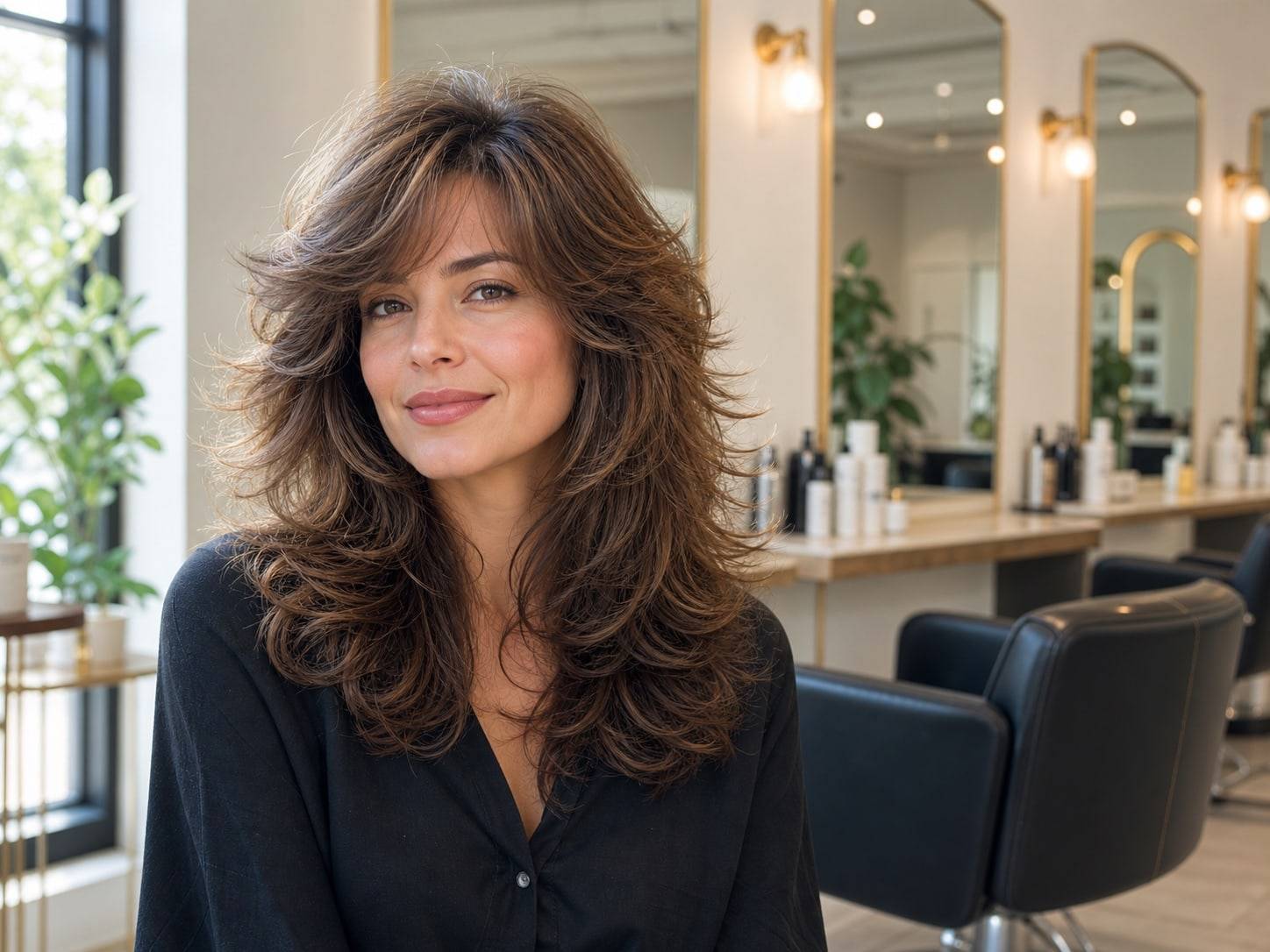
Feathered layers are the clearest 70s signal and still one of the easiest to wear. The front pieces open away from the face, while the rest of the hair keeps enough length for movement.
Ask for soft, blended layers if you want a low-risk version. Ask for shorter cheekbone pieces only if you are comfortable styling the front section.
2. Curtain bangs
Curtain bangs work because they frame the forehead without locking you into a short blunt fringe. They can sit around the cheekbones, jaw, or collarbone depending on how dramatic you want the shape.
If you are nervous about bangs, keep the first version longer. A long curtain fringe can grow into face-framing layers if you change your mind.
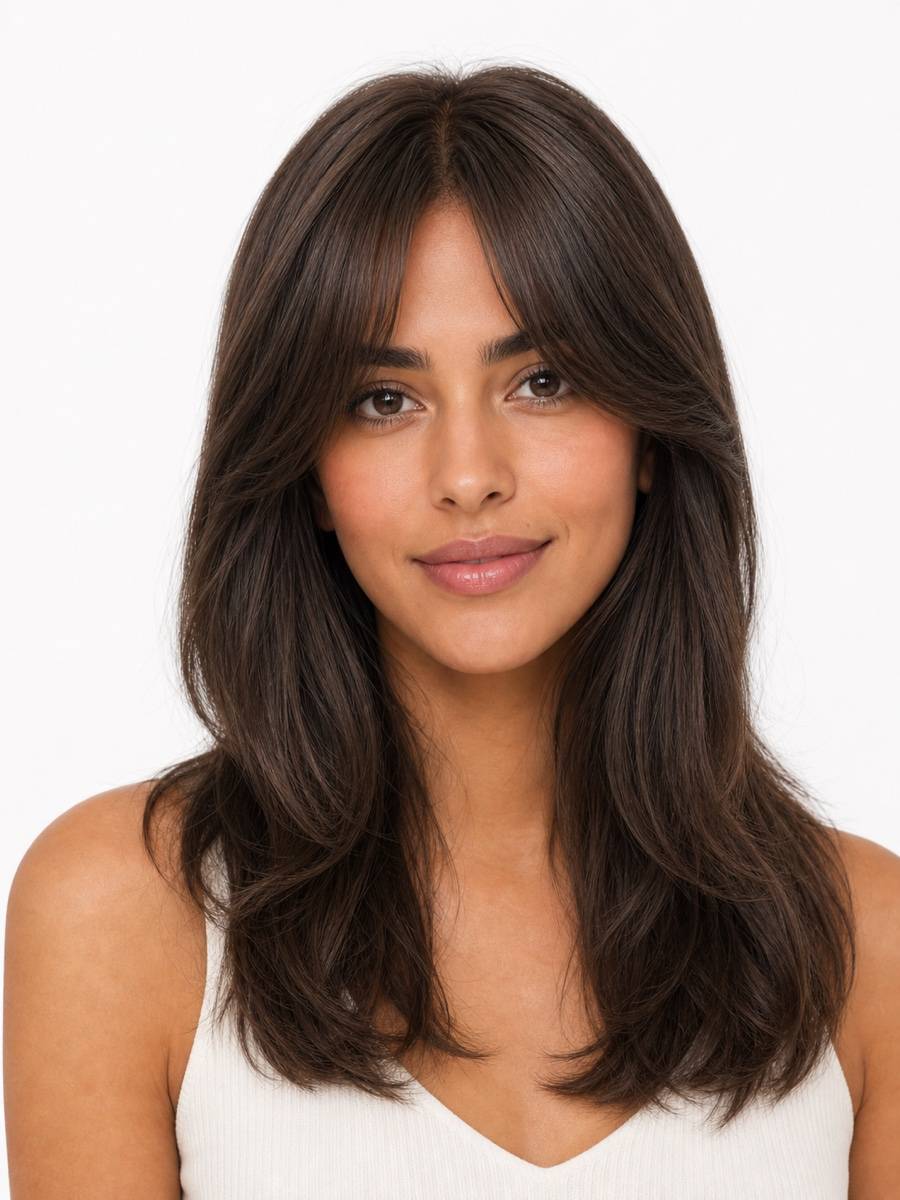
3. Long center-part waves
Long center-part waves give the 70s mood without a severe haircut. They work well when your hair already has wave, bend, or enough density to hold movement.
The risk is flatness at the top. If your roots collapse quickly, pair the style with soft layers or a light volume direction instead of relying on length alone.
4. Soft shag
A soft shag adds crown movement, cheekbone pieces, and lived-in texture. It is less polished than feathered layers and less dramatic than a wolf cut.
This is a good choice if one-length hair feels heavy or shapeless. It is not ideal if your ends are already thin and you want to keep every bit of fullness.
5. Curly shag
A curly shag works when the layers are planned around curl pattern and shrinkage. The goal is round movement, not random thinning.
Bring references with similar texture. Wet length can be misleading, so ask the stylist to explain where the shortest dry curl will sit.
6. Rounded afro shape
A rounded afro or soft natural volume is one of the strongest 70s-inspired directions. It works best when the outline is intentional and the hair is cared for around its real curl or coil pattern.
Do not copy straight-hair feathering here. The shape should be built around density, shrinkage, and the amount of volume you want from the front and side.
7. Boho braids
Small face-framing braids, loose accent braids, and softly finished braided looks can bring in the 70s mood without cutting anything.
Keep tension low. The American Academy of Dermatology warns that styles that pull tightly, including tight braids, buns, ponytails, and updos, can contribute to traction alopecia.
8. Scarf or headband hair
Scarves and headbands are a low-risk way to test the retro feeling. They work with waves, curls, shags, long layers, bobs, and ponytails.
The trick is to keep the accessory from doing all the work. If the hair underneath is flat or bulky in the wrong place, the scarf will not fix the silhouette.
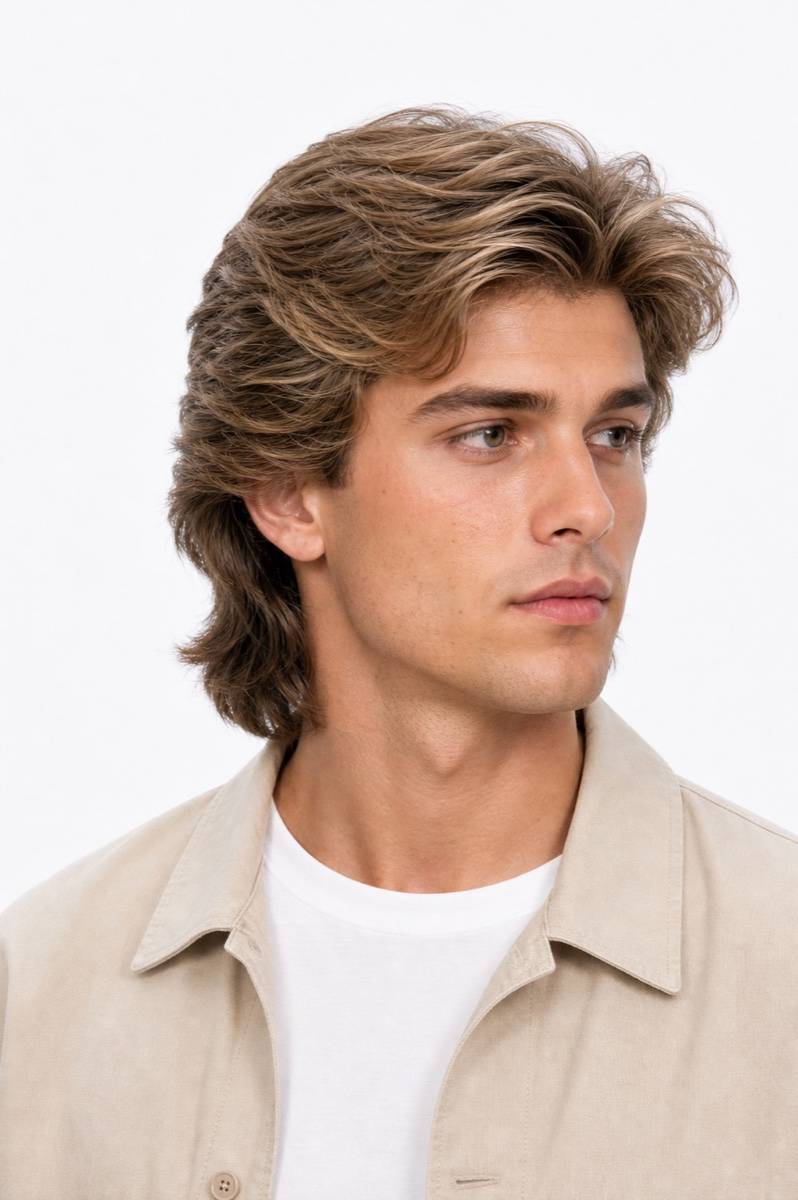
9. Flipped feathered ends
Flipped feathered ends give long or medium hair more energy. They work especially well when the front layers are long enough to open away from the face.
The modern version should look soft, not sprayed into a shell. A round brush, rollers, or blow-dry brush can help, but the cut still needs to carry the shape.
10. Long straight hair with a center part
Long straight 70s hair can look clean and striking if the ends are healthy and the part flatters your face. It is the quietest option in this list.
If your hair looks limp with a center part, add subtle face framing or a softer wave. If the ends are dry, trim first before chasing length.
11. Layered bob with 70s movement
A 70s-inspired bob is softer than a sharp blunt bob. It may have a side bend, curtain fringe, or rounded movement through the ends.
This is useful if you like retro shape but do not want long hair. Fine hair should keep the perimeter full. Thick hair may need careful weight removal.
12. Half-up 70s volume
A half-up style gives height at the crown and lets the front pieces frame the face. It is a smart test before cutting shorter layers or bangs.
Keep the lift soft. If you need constant teasing to make it work, the haircut may not be supporting the style.
13. Soft disco curls
Soft disco curls bring bounce and shine without needing the stiff finish of an old party photo. They work on layered long hair, shoulder-length cuts, and naturally curly hair.
Use this direction when you want volume and polish. If your hair is dry or breaking, reduce heat and work on care before making curls your daily plan.
Best 70s hairstyle by face shape
Face shape should guide where the movement sits. It should not tell you that a whole era is off-limits.
| Face shape | 70s direction to test | Why it works |
|---|---|---|
| Oval | Feathered layers, long waves, soft shag | Most proportions work, so choose by texture |
| Round | Long curtain pieces, crown lift, center waves | Adds vertical movement without widening cheeks |
| Square | Curtain bangs, soft curls, rounded shag | Softens angles without hiding the jaw |
| Heart | Curtain fringe, cheekbone layers, flipped ends | Balances a wider forehead and narrower chin |
| Long or oblong | Side softness, rounded curls, scarf volume | Adds width and avoids too much extra height |
| Diamond | Jawline layers, soft shag, long waves | Reduces harshness around the cheekbones |
If you are not sure which face shape you have, use the HairWow face-shape hairstyle guide before cutting bangs, short layers, or a dramatic center part.
Hair texture and styling effort
The same 70s reference can behave very differently on fine, thick, straight, wavy, curly, or coily hair.
| Hair situation | Safer 70s choice | Be careful with |
|---|---|---|
| Fine hair | Light feathering, soft bob, half-up volume | Heavy shags and too many short layers |
| Thick hair | Soft shag, curtain bangs, long layers | Too much side bulk around cheek level |
| Straight hair | Feathered blowout, flipped ends, center part | Cuts that only work with daily heat styling |
| Wavy hair | Long waves, soft shag, scarf styles | Over-thinning the ends |
| Curly hair | Curly shag, rounded curls, soft volume | Straight-hair curtain references copied exactly |
| Coily hair | Rounded shape, loose braids, headband styles | Tight tension or references that ignore shrinkage |
Hair grows slowly enough that one bad front layer can bother you for months. Cleveland Clinic explains that scalp hair grows about 1 centimeter per month, so the consultation matters more than the trend.
Preview the shape before you cut
Use a try-on preview to answer the questions a mood board cannot answer:
- Do feathered front pieces help your cheekbones or make the front too busy?
- Does a center part balance your face or make the top look flat?
- Do curtain bangs soften your forehead without feeling heavy?
- Does a shag give movement or make the ends look too thin?
- Does volume help your face from the side view?
Try these directions first:
You can also browse HairWow styles for related layers, waves, curls, bobs, bangs, and volume presets. If your hair is shedding, breaking, or feeling unusually dry, run HairWow Hair Analysis before using layers or heat styling as the fix.
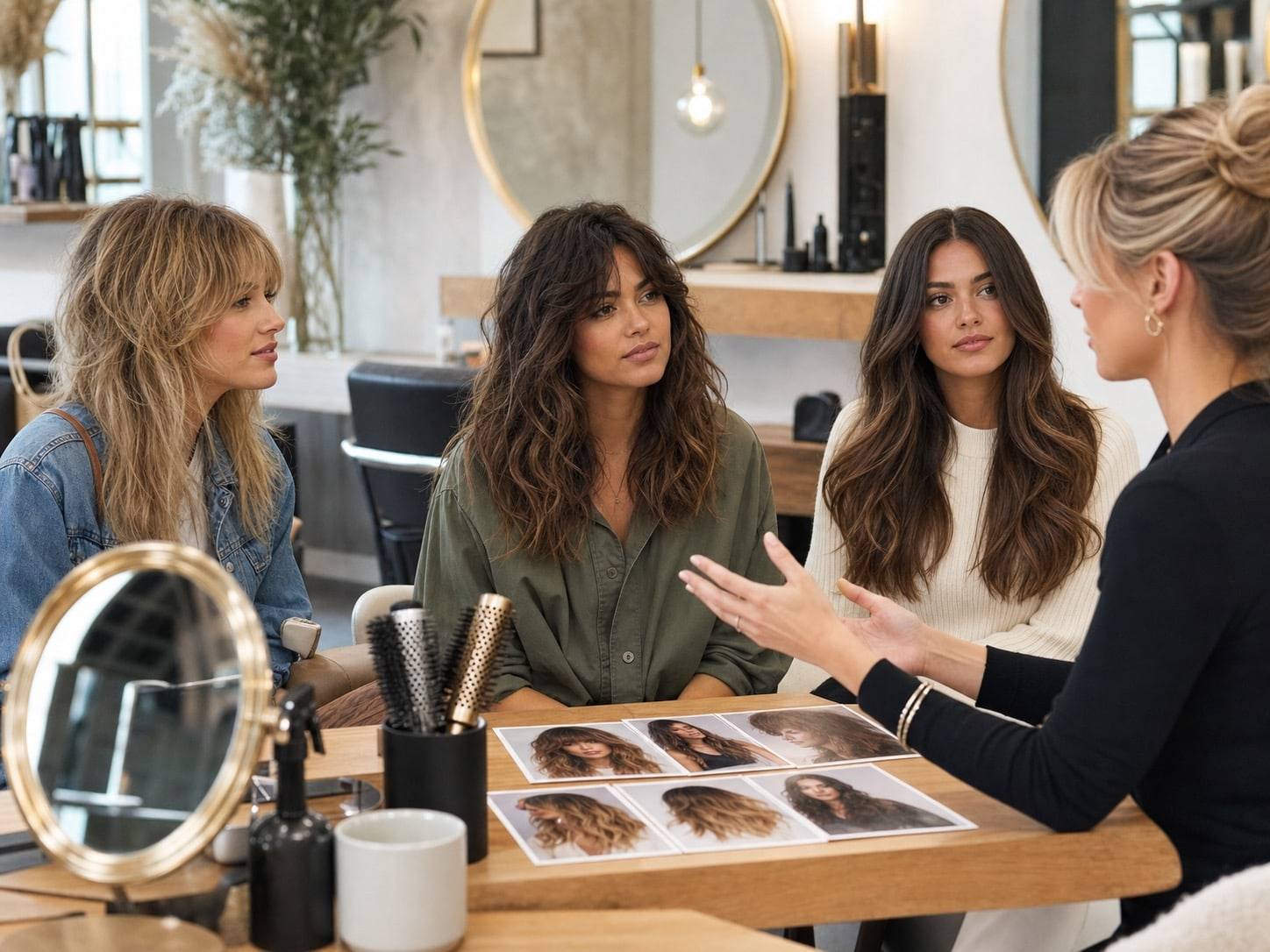
What to ask your stylist for
Do not just say "I want 70s hair." That can mean feathered layers, curtain bangs, a shag, an afro, braids, long straight hair, or disco curls.
For feathered layers:
"I want soft 70s-inspired face-framing layers that open away from my face, but I still want the ends to look full."
For curtain bangs:
"I want a longer curtain fringe that blends into my cheekbone or jawline layers, not a short heavy bang."
For a shag:
"I want movement around the crown and face, but please keep enough density through the ends."
For curls:
"Please shape the layers around my natural curl pattern and show me where the shortest dry curl will sit."
Ask your stylist to show you the shortest front piece, the fullest side section, and the main length before cutting.
Common mistakes
The first mistake is choosing a 70s reference only from the front. Feathered layers and shags can look flattering straight on and too bulky from the side.
The second mistake is cutting curtain bangs too short on the first try. Longer pieces are easier to style, pin back, and grow out.
The third mistake is over-layering fine hair. A 70s cut needs movement, but it also needs enough ends to look healthy.
The fourth mistake is using tight braids, scarves, or ponytails every day when the scalp already feels sore. Comfort is part of whether the style is working.
The fifth mistake is ignoring hair condition. Dry ends, breakage, and shedding will not disappear because the reference photo is good.
Sources checked
- American Academy of Dermatology: Hairstyles that pull can lead to hair loss
- Cleveland Clinic: Hair Follicle
FAQ
What is the most popular 70s hairstyle for women now?
For most people, the practical answer is feathered face-framing plus a curtain fringe. It gives the "70s" read quickly, but it can still sit inside a normal layered cut. Long center-part waves, a soft shag, or rounded curls can look better if your hair already has texture.
Are 70s hairstyles good for fine hair?
Yes, with a light hand. Keep the outline full, then add movement near the front instead of carving out the whole head. If the last two inches of your hair already look thin, skip the heavy shag and test a softer face-frame or blowout shape first.
What 70s hairstyle works for curly hair?
A curly shag can work, but the shortest layer has to be chosen on dry curl length, not wet length. A rounded curl shape is safer if you want the 70s mood without a lot of crown layering. Bring photos of curls with a similar density to yours.
Can I get 70s hair without cutting my hair?
Start there if you are unsure. Change the part, brush the front away from the face, use a headband or scarf, or build a half-up shape before you book a cut. If you like the width and movement in photos from the front and side, then consider layers.
Should I get 70s curtain bangs?
Get them only if you are willing to style the front pieces most days. Ask for the first version to land around the cheekbone or jawline. That length can be tucked, pinned, or trimmed shorter later; a blunt short bang is harder to walk back.
What is the difference between 70s layers and 80s layers?
Think of 70s layers as movement around the face and through the ends. Think of many 80s references as bigger lift, more visible styling, and a stronger silhouette. The two eras overlap, so the photo matters more than the decade label.
Bottom line
Choose the 70s idea you would still like on an ordinary weekday. If the preview looks good only with perfect heat styling, it is probably too much work.
The strongest salon brief is simple: soft face-framing, healthy-looking ends, a clear shortest front piece, and enough movement to feel retro without making the cut hard to live with.