1940s Hairstyles Guide: Victory Rolls, Waves, and Polished Curls
Compare victory-roll-inspired fronts, side-parted waves, brushed curls, low pinned updos, and other 1940s hairstyles before you choose a salon reference.

· 12 min read
On this page
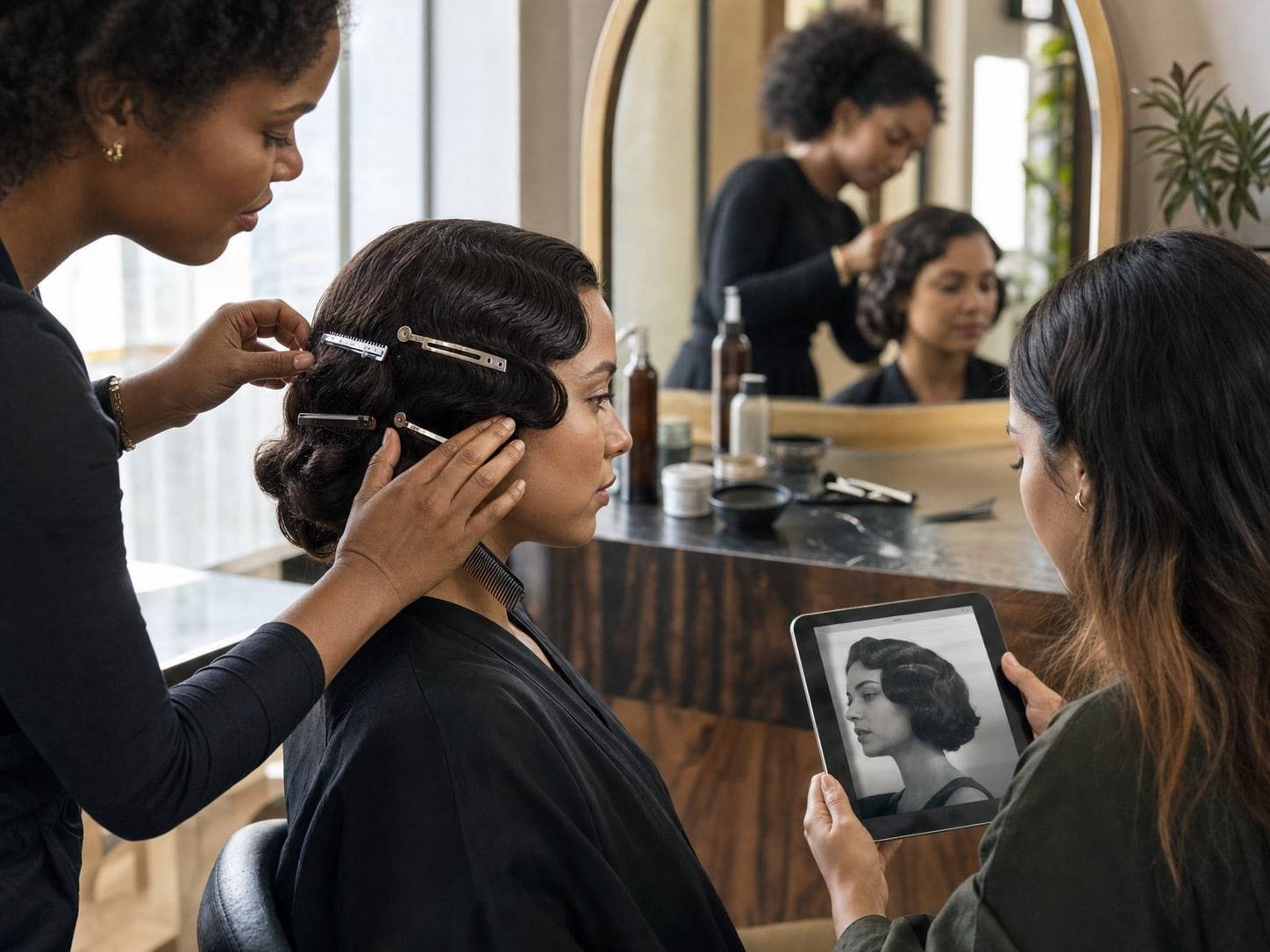
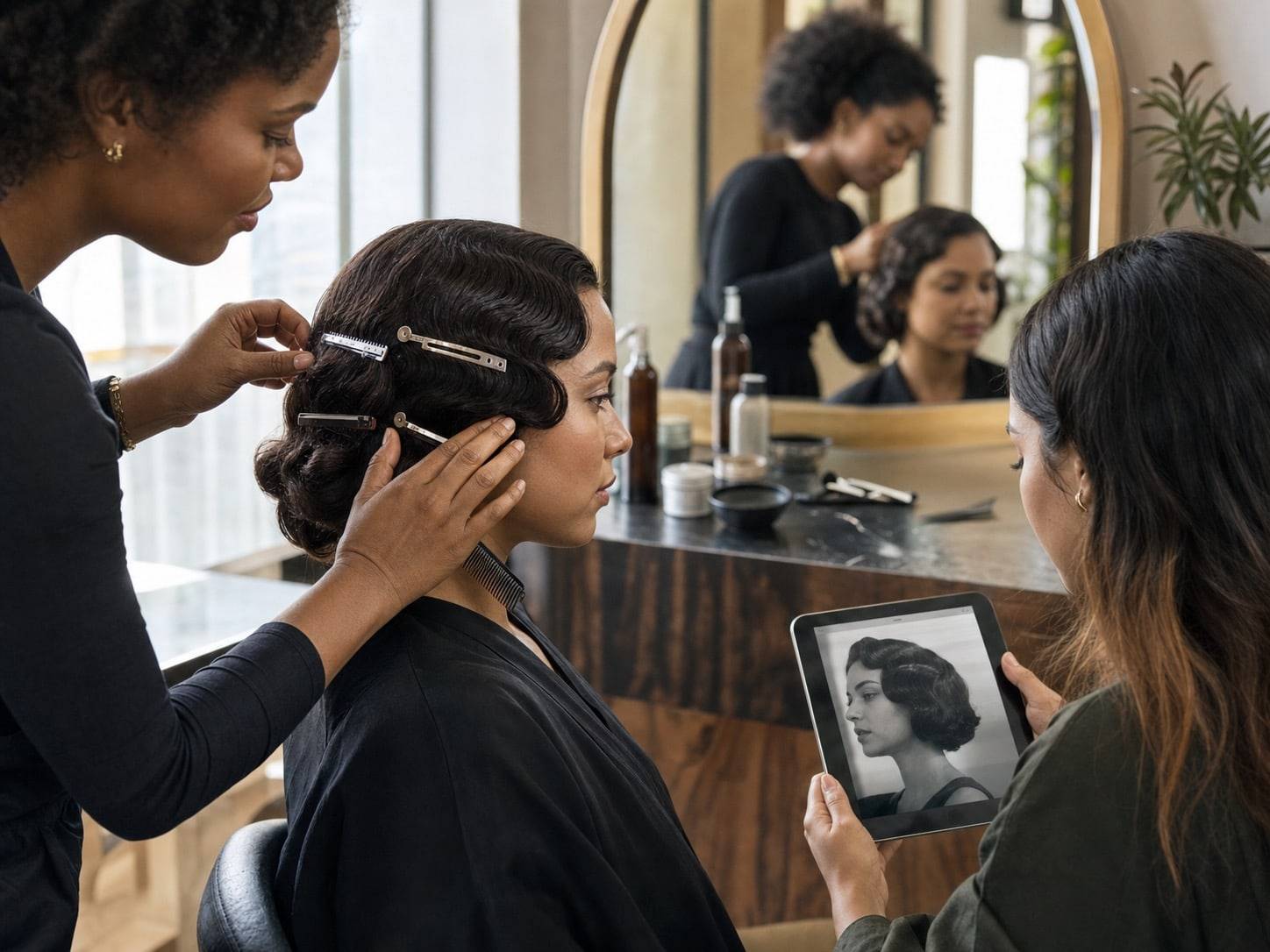
1940s hairstyles look confident because they are built around shape: rolled fronts, side parts, brushed curls, smooth waves, and pinned sections that make the whole style feel intentional. The tricky part is that a full vintage set can look too costume-like if the height, shine, and pinning are copied exactly.
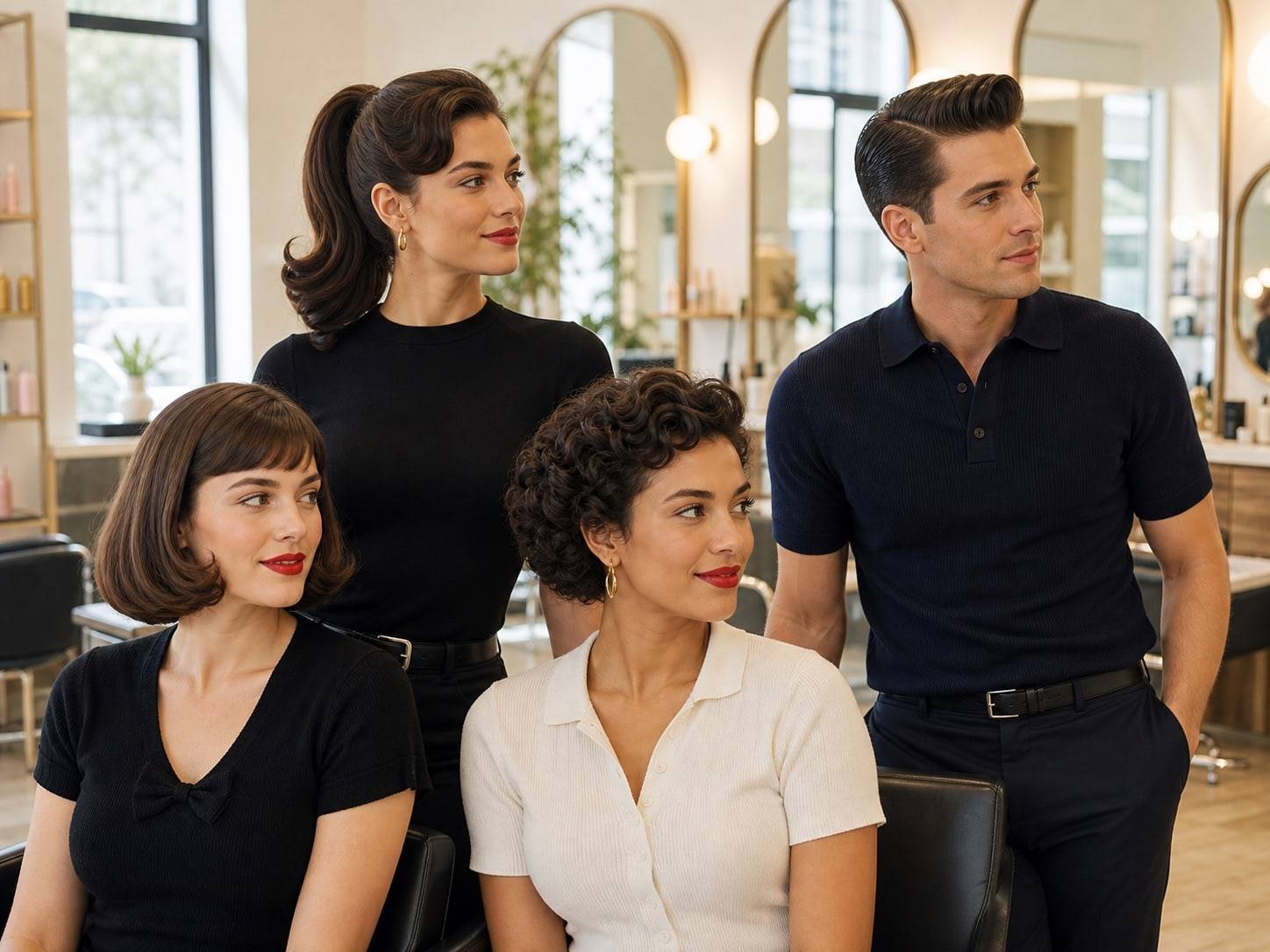
Direct answer: the most wearable 1940s hairstyles today are soft victory-roll-inspired fronts, side-parted waves, brushed curls, low pinned updos, half-up rolls, polished shoulder-length waves, and short curled shapes. Choose by length first, then decide how much front height, pinning, and setting time you can realistically handle.
Before cutting or booking an event style, preview soft waves, short curls, an updo shape, or volume lift in HairWow Try-On. A preview will not replace a stylist, but it can quickly show whether the shape flatters your face.
What are 1940s hairstyles?
1940s hairstyles are haircuts and styling directions inspired by the polished curls, rolls, side parts, waves, and pinned shapes associated with the 1940s. The common signals are front rolls, brushed-out curl sets, controlled side waves, shoulder-length curled ends, low updos, and neat volume around the crown. A modern 1940s hairstyle keeps the structure but relaxes the finish so it still works with current clothes and daily movement.
Key takeaways
- The easiest 1940s looks to modernize are side-parted waves, brushed curls, half-up rolls, and low pinned updos.
- Victory rolls are high-impact, but they need enough hair length, grip, and patience.
- You can borrow the decade without doing a literal pin-up look. One rolled front section is often enough.
- Fine hair usually needs texture spray or a light set; thick hair may need weight control so the roll does not become bulky.
- Tight pinned updos can pull on the hairline. The American Academy of Dermatology warns that tight buns, ponytails, updos, and rollers worn very often can contribute to traction-related hair loss.
Definition: A 1940s hairstyle is a cut or set that uses rolled front sections, side-parted waves, brushed curls, pinned updos, or polished shoulder-length movement inspired by 1940s hair. A modern version keeps the structured outline while reducing stiffness, height, and scalp tension.
What makes 1940s hair wearable now?
The shortcut is to use one strong 1940s signal, not all of them at once. A soft roll with loose waves is easier than two high rolls plus a full curled set. A side wave can nod to the period without making the whole look feel like a costume.
| 1940s detail | Modern update | Best if you want |
|---|---|---|
| Victory rolls | One softer front roll | Vintage drama without a full set |
| Brushed curls | Looser brushed waves | Movement and softness |
| Side part | Deep but relaxed side part | Face framing and asymmetry |
| Low pinned updo | Softer low shape with loose front | Event polish |
| Shoulder curls | Shoulder-length waves with bend at ends | Wearable retro length |
| Crown lift | Subtle root volume | Height without stiffness |
The better test is not "does this look vintage?" It is "will I still like this after two hours, under normal light, with my actual outfit?" If not, simplify the front and lower the shine.
12 1940s hairstyles to consider
1. Soft victory-roll front
A soft victory-roll front gives the clearest 1940s signal. Instead of two high, exact rolls, ask for one rounded front section with a softer side wave.
This works best when the front hair is long enough to roll and pin. If your shortest face-framing layers are very short, try a side wave first.
2. Side-parted brushed waves
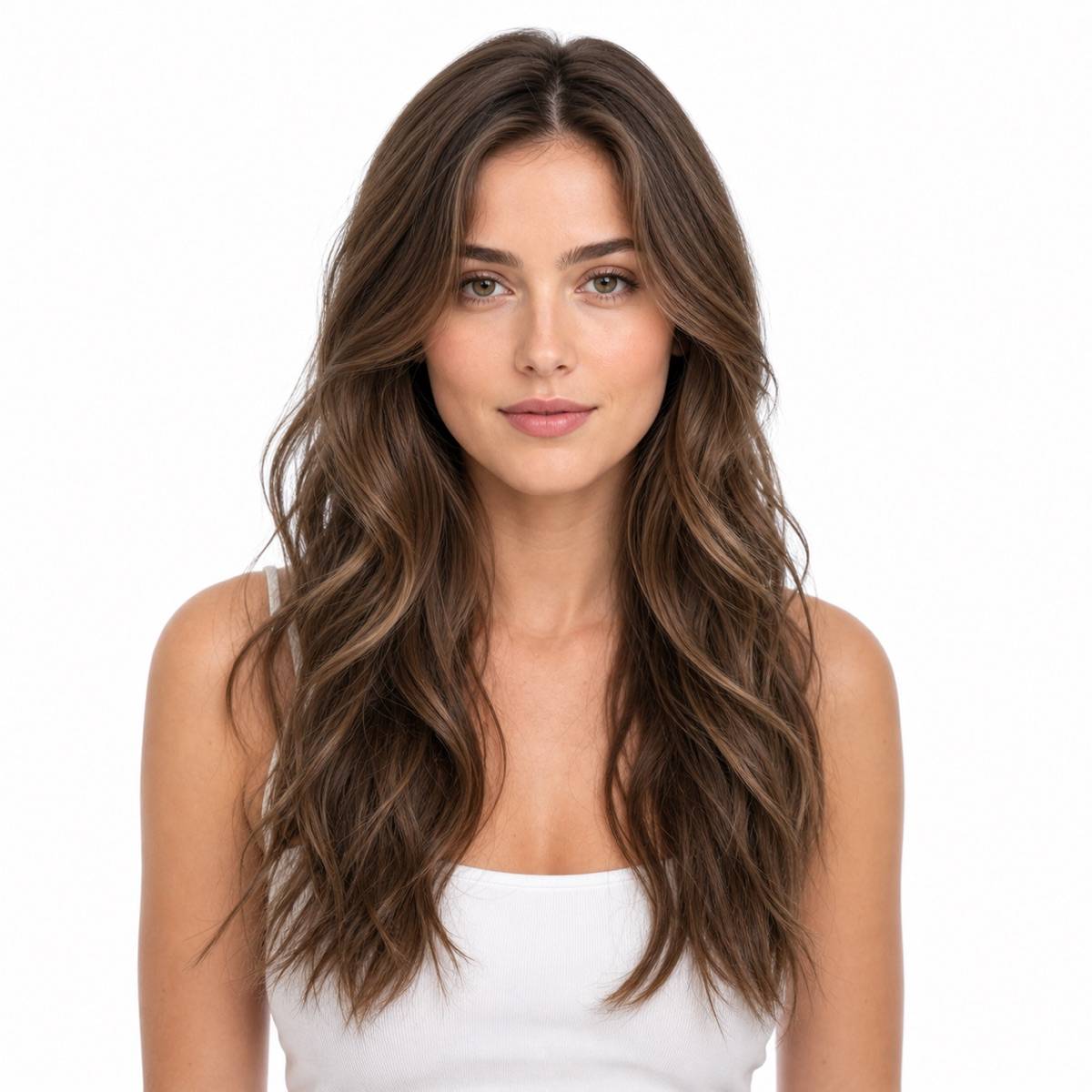
Side-parted waves are the easiest way to borrow the decade without a complicated set. The part gives direction; the wave gives polish.
This style works on bobs, lobs, and longer hair. It is also easier to keep modern because the wave can be loose instead of lacquered.
3. Brushed shoulder curls
Brushed shoulder curls give fullness near the jaw and shoulders. They can look glamorous without needing a formal updo.
The annoying part is frizz control. A curl set needs brushing, not just curling. Brush too little and the curls look separate; brush too much and the shape can collapse.
4. Half-up roll with loose lengths
A half-up roll keeps the front structured and lets the rest of the hair move. It is useful for medium and long hair.
This is a good first 1940s test because you can remove the pins and still have wearable waves if the roll feels too much.
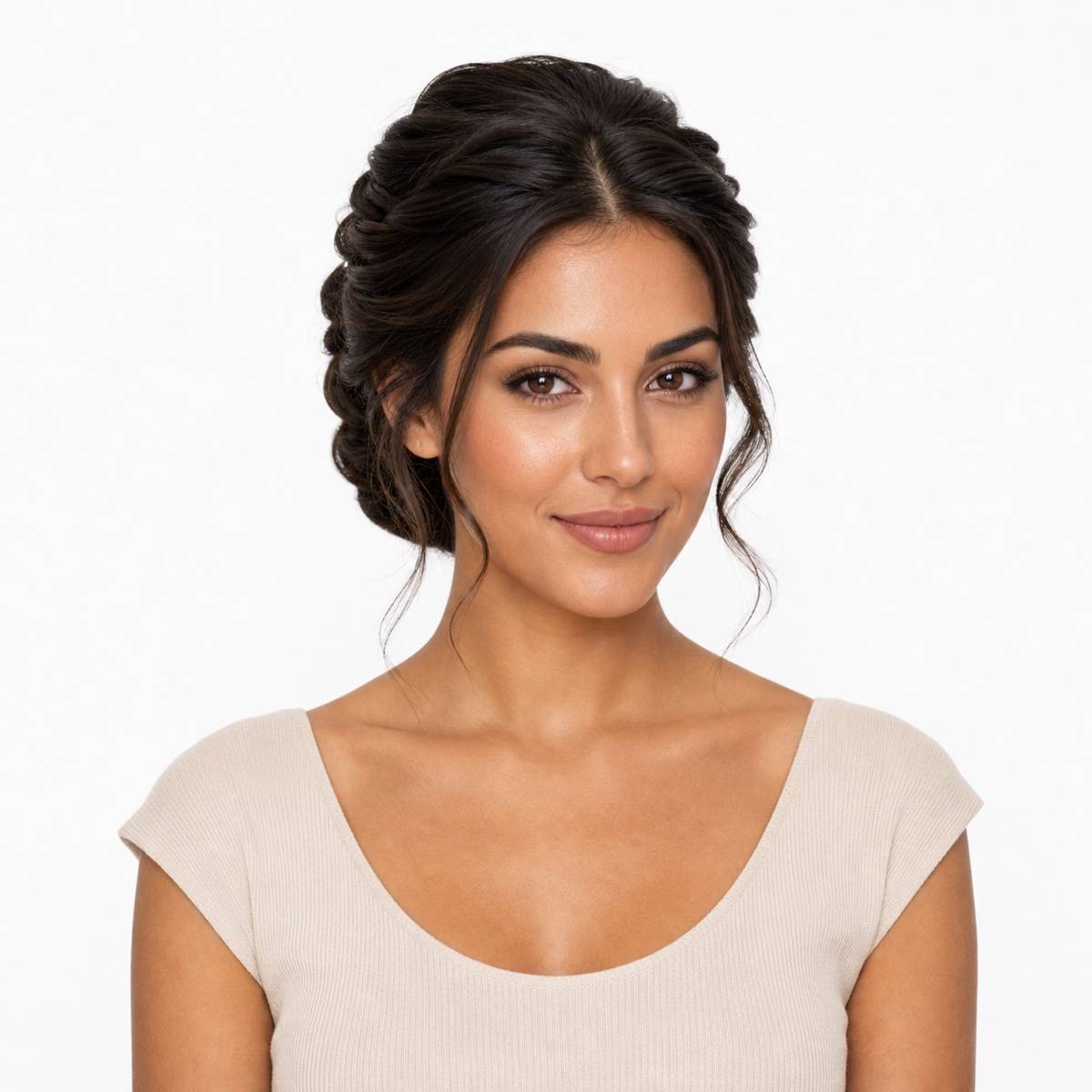
5. Low pinned updo
A low pinned updo can feel elegant without adding height at the forehead. It is strong for weddings, parties, and photo-heavy events.
Keep it comfortable. If the pins pull or the scalp feels sore, the style is too tight.
6. Short curled bob
A short curled bob gives shape around the cheekbones and jaw. It can look polished on straight, wavy, or lightly curly hair.
Ask for movement instead of a hard helmet finish. The cut should still look good when it is not fully set.
7. Rolled bangs
Rolled bangs are bold. They can be flattering on the right face, but they change the forehead area immediately.
Try this virtually before cutting or rolling the front very high. A smaller rolled fringe is usually easier to wear.
8. Pageboy-inspired curled ends
A pageboy-inspired shape uses smooth sides and curled-under ends. It is cleaner than a full curl set and easier to pair with modern clothes.
This can be useful for medium-density hair. Very thick hair may need internal shaping so the ends do not feel heavy.
9. Long waves with a rolled front
Long hair can still carry a 1940s reference. Keep the length loose and put the vintage detail near the part or front hairline.
This is the safest option if you are not ready to cut. It also works well for a trial run before a formal event.
10. Side-swept polished curls
Side-swept curls create drama without requiring symmetrical rolls. They are especially useful if one side of your hair naturally sits better.
Use the stronger side as the visible side. Fighting your natural part can make the style harder than it needs to be.
11. Crown lift with smooth waves
Crown lift gives the hairstyle height, but it does not need to become a tall bouffant. A little lift can balance a long or oval face.
If your face is short or round, keep crown lift moderate and avoid adding too much width at the cheeks.
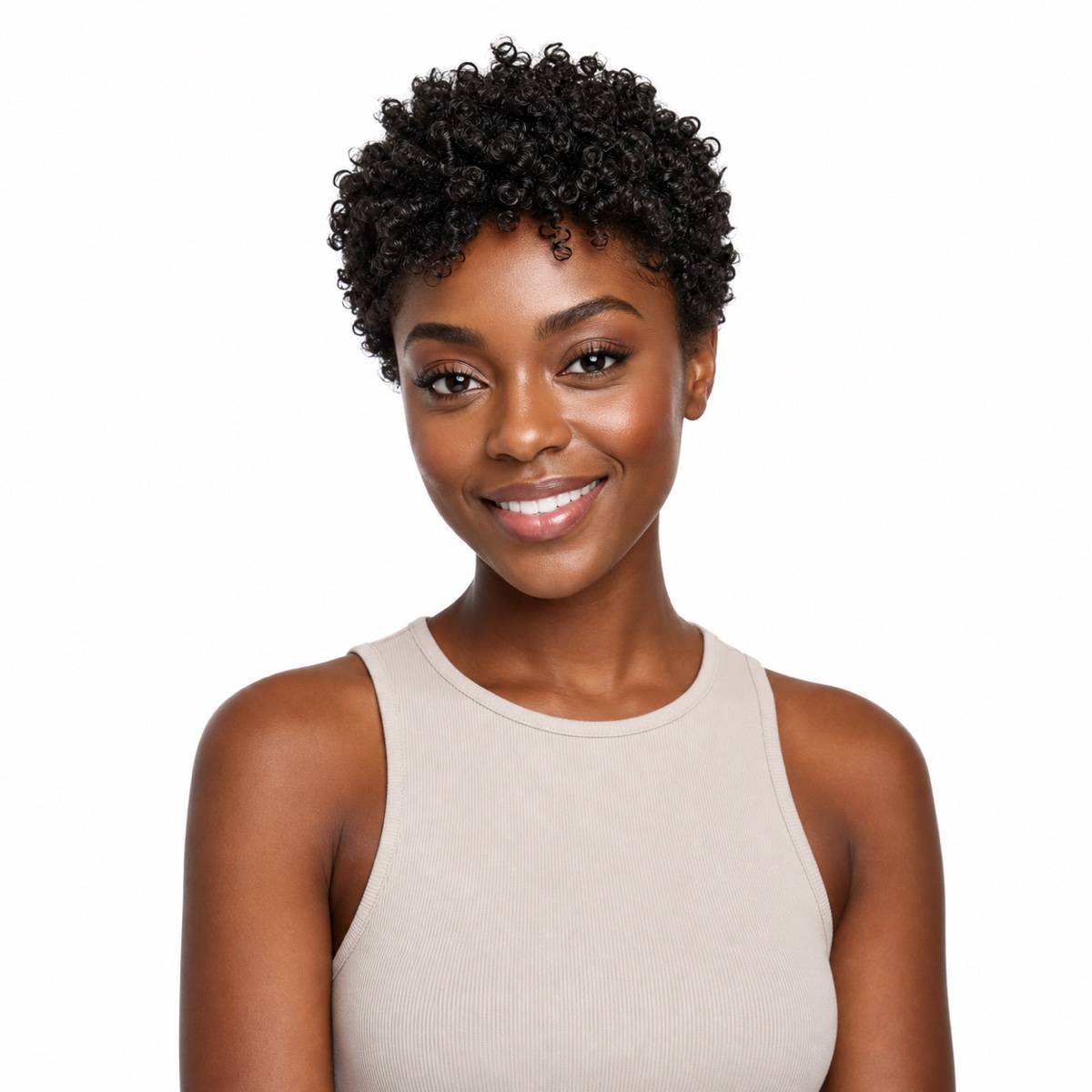
12. Short curly crop
A short curly crop can feel 1940s when the curls are brushed into a planned outline. It should still respect your natural texture.
Ask how the cut behaves air-dried. If it only works after a full set, make sure that effort fits your life.
Best 1940s hairstyle by face shape
Use this as a starting point, not a rulebook. Face shape helps with balance, but hair density, neck length, natural part, and personal style matter too.
| Face shape | 1940s direction to try | Watch out for |
|---|---|---|
| Oval | Side waves, brushed curls, half-up roll | Almost anything works; do not overbuild the front |
| Round | Side-parted waves, crown lift, longer curled ends | Too much cheek-level width |
| Square | Soft side wave, brushed curls, low pinned updo | Hard rolls that emphasize the jaw |
| Heart | Shoulder curls, low updo, side-swept curls | Excess height above a wider forehead |
| Long | Brushed shoulder curls, pageboy-inspired ends | Too much vertical crown height |
| Diamond | Side wave, short curled bob, soft front roll | Volume only at the cheekbones |
If you are between shapes, choose by the feature you want to soften. A side wave can soften a forehead. Shoulder curls can add width lower down. Crown lift can lengthen a rounder face.
Hair texture and styling effort
1940s hair is not just a cut. It is often a set, a brush-out, and pin placement. That does not mean it has to be difficult, but the effort should be honest.
| Hair type | Better 1940s option | Styling note |
|---|---|---|
| Fine hair | Side wave, soft roll, pageboy ends | Use light texture; heavy product can flatten the shape |
| Thick hair | Low updo, long waves, controlled curls | Remove bulk before asking for a big roll |
| Wavy hair | Brushed waves, side-swept curls | Work with the wave instead of forcing it straight |
| Curly hair | Short curly crop, brushed curl shape | Keep definition; avoid harsh brushing if it causes frizz |
| Long hair | Half-up roll, low pinned updo, rolled front | Pins and sectioning matter more than length |
| Short hair | Short curled bob, side wave | Keep the front detail proportional |
The scalp comfort part matters. Cleveland Clinic describes hair follicles as structures that surround the hair root and strand, and styles that repeatedly pull on those roots can become a problem over time. If a pinned look hurts, it is not just "secure." It is too tight.
Preview the shape before you set or cut
Use try-on previews to answer a narrow question, not to pretend every pin will be exact. The useful questions are:
- Does front height flatter my forehead?
- Do side waves soften or widen my face?
- Does a low updo expose the neck in a way I like?
- Would shorter curls make my jaw look sharper or softer?
- Do I prefer polished waves or a looser brushed finish?
Save the closest preview and bring it to your stylist with a real reference. The preview helps with proportion; the stylist handles the set, pins, and finish.
What to ask your stylist for
Use plain language. "Make me look 1940s" is too broad.
Try one of these:
- "I want a soft 1940s-inspired side wave, not a stiff full vintage set."
- "Can we do one front roll and keep the rest of the hair loose?"
- "I like brushed curls around the shoulders, but I do not want too much width at my cheeks."
- "Can you make the pins comfortable enough for several hours?"
- "If this cut is not styled, will it still have a nice shape?"
If you are cutting hair for the style, ask how much length is needed for the front roll. Very short layers can make a roll harder to build.
Common mistakes
Making every detail literal
A full 1940s reference can be beautiful, but it can also be too theatrical for normal use. Choose one main feature.
Over-tightening the pins
Secure is good. Pain is not. If the hairline feels pulled, loosen the style.
Ignoring your natural part
A deep side part is useful, but forcing the opposite part may make the style fight your hair all day.
Choosing height before balance
Victory-roll height looks dramatic in photos. It can also lengthen the face or overpower smaller features.
Forgetting the brush-out
Curls alone are not the whole look. The brush-out is what turns separate curls into a 1940s shape.
Sources
- American Academy of Dermatology: Hairstyles that pull can lead to hair loss
- Cleveland Clinic: Hair follicle function and structure
FAQ
Are 1940s hairstyles still wearable today?
Yes, if you soften the finish. A full period set can look theatrical, but one front roll, a side wave, brushed curls, or a low pinned updo can feel modern. The key is reducing stiffness and choosing a shape that works with your actual length, density, and outfit.
Do I need short hair for 1940s hairstyles?
No. Short and shoulder-length hair can make brushed curls and rolled fronts easier, but long hair can use half-up rolls, side waves, and low pinned updos. If you are unsure, try a long-hair version first before cutting for a shorter vintage shape.
What is the easiest 1940s hairstyle to try first?
A side-parted wave is usually the easiest. It gives a clear vintage signal without requiring symmetrical victory rolls or a full curled set. If that flatters your face, you can try a small front roll or a low pinned updo next.
Are victory rolls bad for your hair?
Victory rolls are not automatically bad, but tight pinning, repeated tension, and uncomfortable pulling can be risky. Keep the roll soft, use enough pins so one area does not take all the pressure, and do not sleep in a tight set. If your scalp hurts, loosen it.
Can curly hair do 1940s styles?
Yes. Curly hair can look excellent in short curled crops, side-swept shapes, and brushed curl outlines. The important part is not forcing every curl into a smooth wave. Work with your pattern and ask for a shape that still looks good when the style relaxes.
Should I try a 1940s hairstyle before a salon appointment?
Yes. A preview helps you check front height, side volume, curl width, and updo proportion before you commit. Use HairWow for shape testing, then bring the closest preview plus a real reference photo to your stylist so the final set stays realistic.