Best Curly Hair Styling Products: What Each Product Actually Does
Choose curly hair styling products by matching cleanser, conditioner, leave-in, curl cream, mousse, gel, and oil to your curl pattern, frizz level, density, and haircut.

· 13 min read

On this page
The best curly hair styling products are not the heaviest products or the most expensive ones. Most curls need a gentle cleanser, a slippery conditioner, one moisturizing product, and one hold product. The right mix depends on your curl pattern, density, dryness, frizz, haircut shape, and how long you want the style to last between wash days.
If your curls are frizzy right after styling, start with water, conditioner, leave-in, and gel technique. If your curls look good on day one but collapse by day two, look at hold, drying, sleep protection, and haircut shape. Product can help a lot, but it cannot fully fix layers that are too heavy, ends that are too thin, or a shape that does not support your curl pattern.
Key Takeaways
- Fine waves usually need mousse or light gel, not heavy butter.
- Medium curls often do well with leave-in, curl cream, and gel.
- Tighter curls and coils may need richer conditioner, sectioning, and more moisture before hold.
- Gel is not the enemy. It is often the product that keeps curl definition from falling apart.
- Oil is a finishing product, not a replacement for water, conditioner, or hold.
- If every product fails, the issue may be haircut shape, buildup, humidity, damage, or dry handling.
What Curly Hair Products Are Supposed to Do
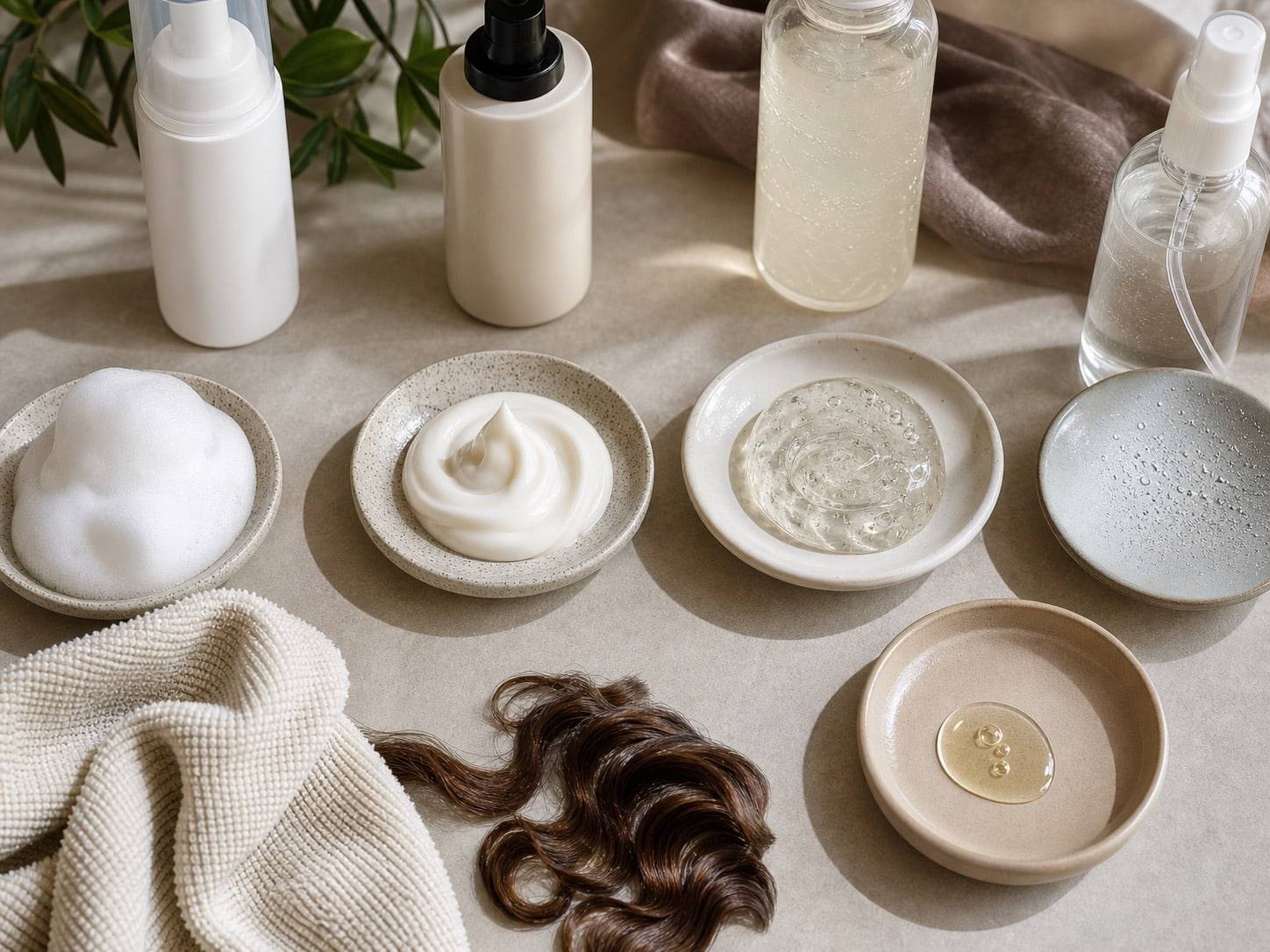
Definition: A curly hair styling product is any cleanser, conditioner, leave-in, cream, mousse, gel, serum, or oil used to help curls stay hydrated, clumped, defined, protected, and shaped after washing or refreshing.
Curly hair bends along the strand. That bend makes natural scalp oil move less evenly from root to end, so the ends can feel dry while the roots feel normal or oily. Dermatologist guidance from the American Academy of Dermatology also emphasizes gentle detangling and conditioning for curly hair because dry brushing and rough handling can lead to frizz and breakage.
That is why curly hair products have different jobs:
| Product job | What it changes | What it cannot fix |
|---|---|---|
| Cleanse | Scalp oil, sweat, product buildup | A cut that is too heavy |
| Condition | Slip, softness, detangling | Weak hold in humidity |
| Moisturize | Dryness and rough ends | Buildup from too many layers |
| Define | Curl clumps and pattern | Damaged or over-thinned ends |
| Hold | Longevity, frizz control, cast | A style that was touched while wet |
| Finish | Shine and surface smoothness | Lack of water or conditioner |
The useful shortcut is to stop asking, "What product is best?" and ask, "What job is missing?"
The Basic Curly Product Stack
Most routines do not need seven products. Start with the smallest stack that solves the problem.
| Product | Use it when | Skip or reduce it when |
|---|---|---|
| Gentle shampoo | Scalp needs cleansing, roots feel oily, curls feel dull | Scalp is clean and you only need a light refresh |
| Clarifying shampoo | Hair feels coated, products stop working, curls look limp | Hair already feels dry or rough after every wash |
| Rinse-out conditioner | Hair tangles, feels rough, or needs slip | Hair is very fine and conditioner weighs it down near roots |
| Leave-in conditioner | Ends dry quickly or frizz early | Hair gets sticky, flat, or coated |
| Curl cream | Curls need softness and clumping | Waves collapse under heavy product |
| Mousse | You want volume and light hold | Hair needs stronger humidity defense |
| Gel | You need definition, cast, and longer hold | Hair feels brittle because you used too much without moisture |
| Oil or serum | Ends need polish after drying | Hair is still wet, undefined, or under-conditioned |
For a simple beginner routine, use cleanser, conditioner, leave-in, and gel. That gives you scalp care, slip, moisture, and hold without turning wash day into a product experiment.
How to Choose by Curl Pattern
Curl pattern is a starting point, not a rule. Density, porosity, length, weather, and haircut shape can matter just as much. Still, these product families are a practical place to begin.
| Curl pattern | Best starting products | Watch out for |
|---|---|---|
| 2A-2C waves | Lightweight leave-in, mousse, light gel | Heavy cream, too much oil, brushing after drying |
| 3A-3B curls | Leave-in, curl cream, medium gel | Not enough hold, too much touching while drying |
| 3C curls | Richer conditioner, leave-in, cream, gel | Skipping sectioned styling |
| 4A-4C coils | Slippery conditioner, leave-in, cream or butter, gel/custard | Detangling without enough slip |
| Mixed texture | Different products by section | Forcing one rule across the whole head |
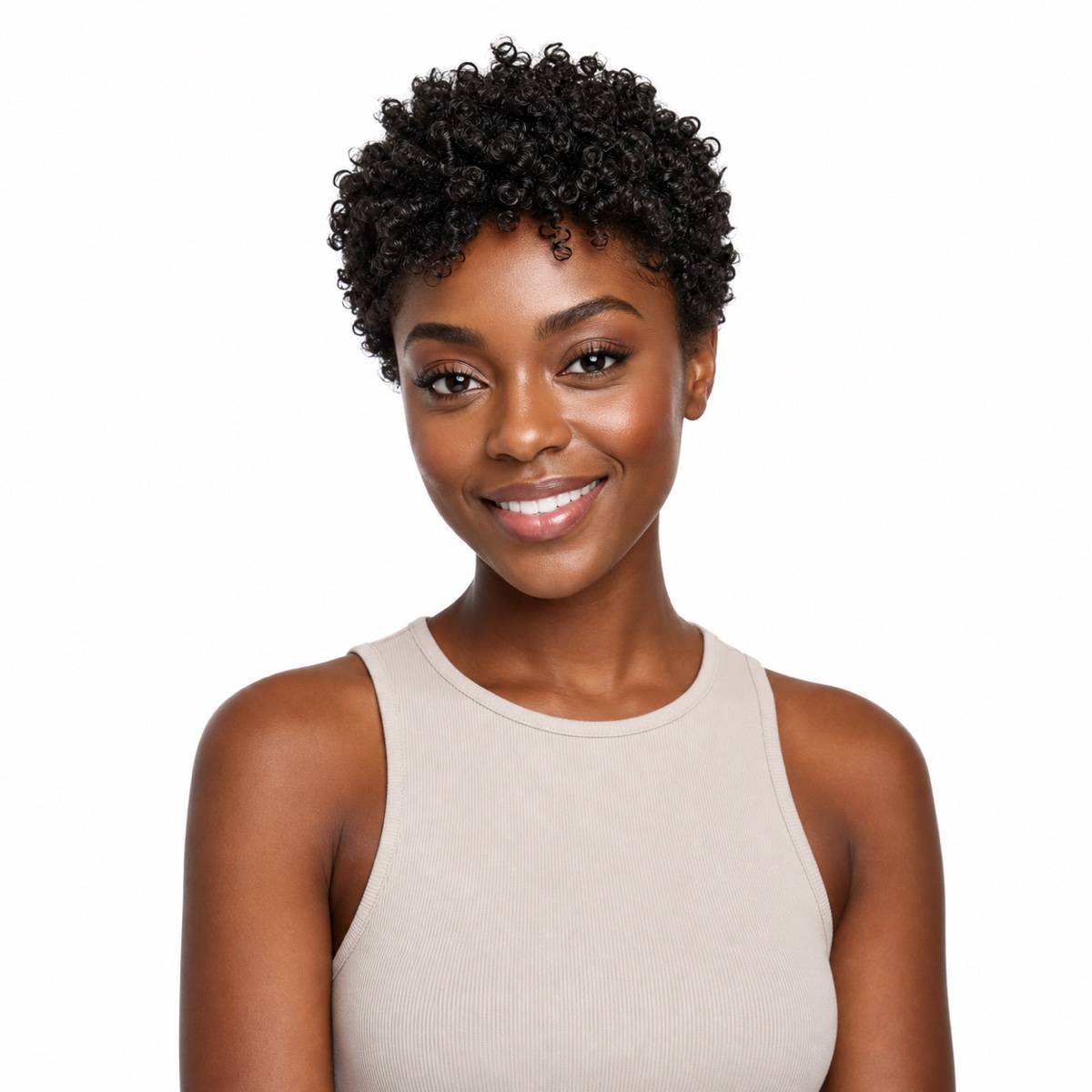
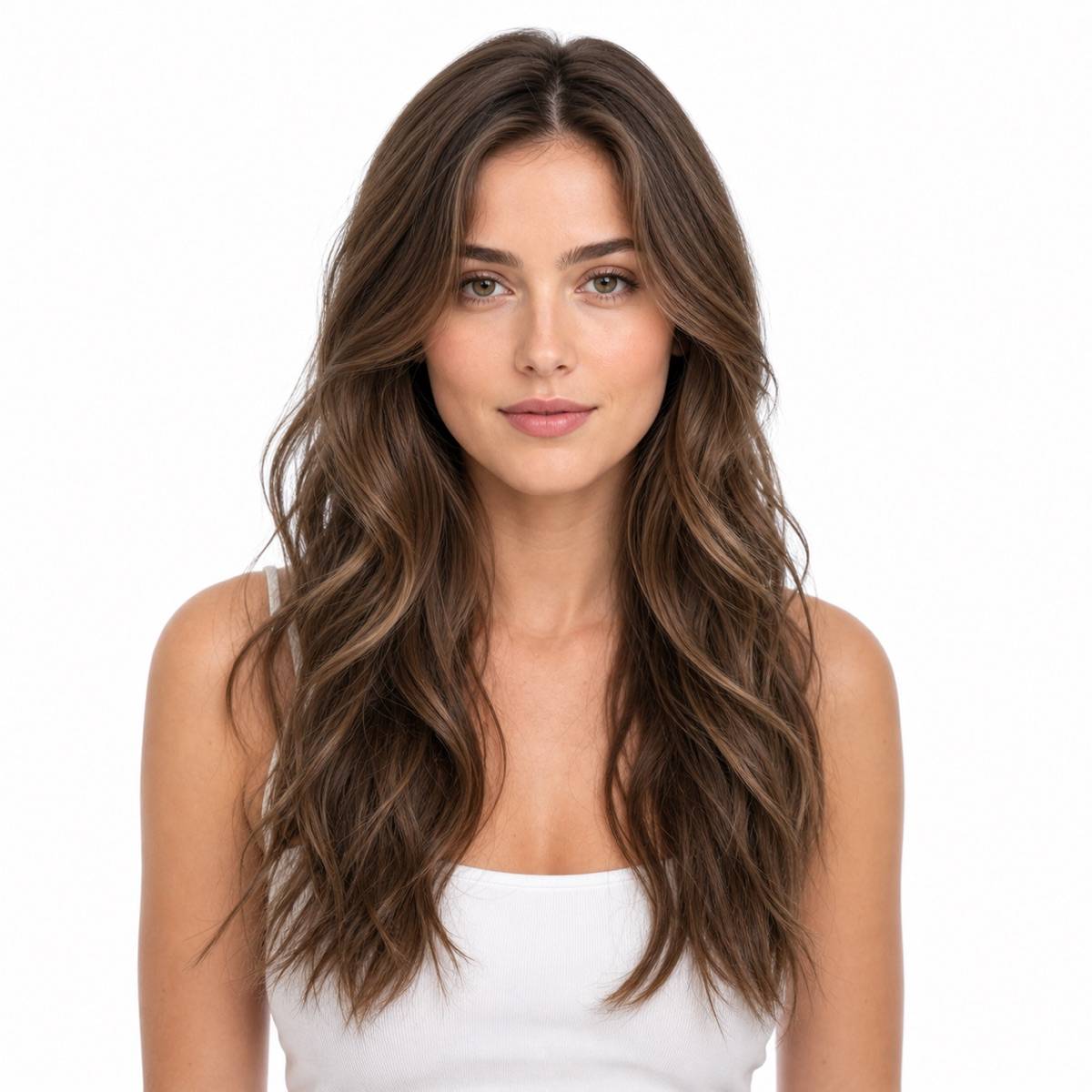
If your crown is flat but your sides are wide, product alone may not solve it. Use lighter product near the roots and compare whether layers, length, or face framing would distribute volume better. HairWow can help you preview short curls, long waves, glossy curls, and curl-friendly layers before asking for a haircut.
How to Choose by Hair Problem
The product label is less important than the problem you are trying to solve.
| Problem | Most likely product move | Technique move |
|---|---|---|
| Frizz on day one | More conditioner, wetter styling, gel | Stop touching before fully dry |
| Flat roots | Mousse, lighter leave-in | Diffuse roots gently, use less cream at scalp |
| Stringy ends | Conditioner, trim check, less oil buildup | Style in sections and scrunch upward |
| Puffy sides | Gel or stronger hold | Check haircut weight and side layering |
| Sticky curls | Use less leave-in/cream | Clarify occasionally |
| Dry ends | Leave-in or small cream amount | Apply to ends first, not roots |
| Weak curl clumps | Cream or gel on wetter hair | Rake, smooth, then scrunch |
| Crunchy finish | Less gel or more moisture under gel | Scrunch out the cast only when fully dry |
The annoying part is that the same symptom can have two causes. Frizz can mean not enough moisture, not enough hold, too much buildup, dry brushing, humidity, heat damage, or a cut that breaks up the curl pattern. Change one variable at a time.
What to Use on Wash Day
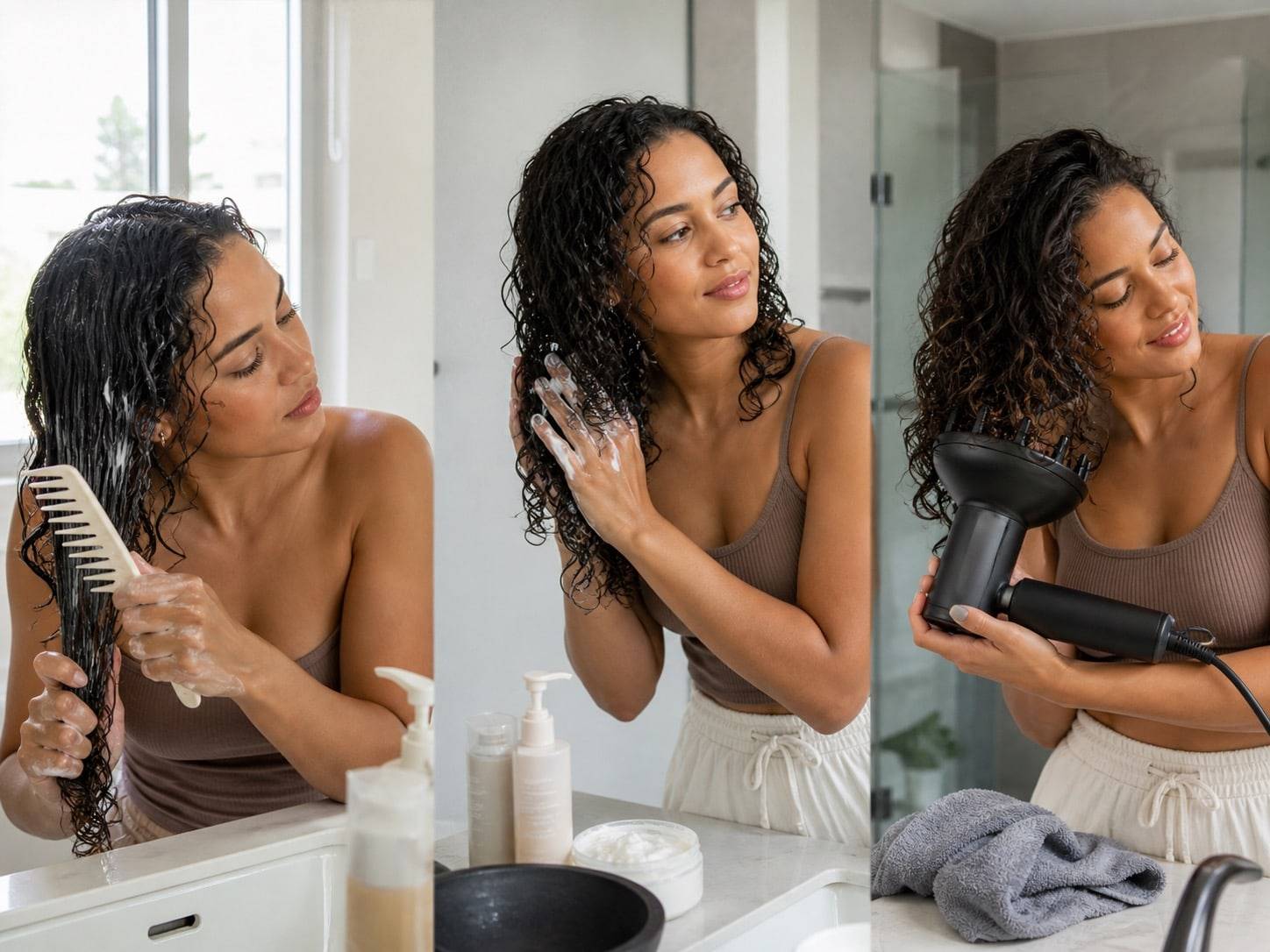
Wash day is when your product choices matter most. A good wash day gives you enough water, slip, product distribution, and hold before the curls start drying.
Use this order:
- Cleanse the scalp.
- Condition the lengths.
- Detangle with fingers or a wide-tooth comb while the hair has slip.
- Rinse fully or partly, depending on how dry the hair is.
- Apply leave-in or curl cream while the hair is still wet or damp.
- Add mousse or gel for hold.
- Dry with a microfiber towel, cotton T-shirt, air drying, or a low diffuser.
- Scrunch out the gel cast after the hair is fully dry.
The American Academy of Dermatology advises gentle handling of wet hair and recommends a wide-tooth comb for textured or tight curls. Cleveland Clinic hair-care guidance also points to conditioner and leave-in products as useful for dryness and static in dry weather. That lines up with the practical rule: curls usually need slip before styling and hold before the outside air gets to them.
A simple wash-day formula
| Hair type | Formula |
|---|---|
| Fine waves | Gentle shampoo, light conditioner, mousse, light gel |
| Medium curls | Gentle shampoo, conditioner, leave-in, curl cream, gel |
| Dense curls | Shampoo or co-wash as needed, rich conditioner, leave-in, gel in sections |
| Coils | Gentle cleanser, rich conditioner, leave-in, cream, gel or custard |
| Oily scalp with dry ends | Shampoo at scalp, conditioner at ends, light leave-in, hold product |
What to Use on Refresh Days
Refresh days should be lighter than wash day. If you add a full layer of cream every morning, your curls may get heavy and dull by day three.
Start with water. Mist the flattened pieces and let the existing product reactivate. Then add the smallest useful amount of product.
| Refresh problem | Try this first | Add product only if |
|---|---|---|
| Curls are flat | Water mist and scrunch | Shape does not come back |
| Ends feel dry | Damp hands plus tiny leave-in | Ends stay rough after water |
| Halo frizz | Wet palms with a small amount of gel | Frizz returns after drying |
| Front curls look uneven | Finger coil only those pieces | They keep separating |
| Roots are oily | Refresh ends, plan a cleanse | Dry shampoo cannot replace washing |
Dry shampoo can absorb oil, but it does not actually clean the scalp. If roots are oily and itchy, a real cleanse is the better answer.
When Your Haircut Is the Real Issue
Sometimes the product is not failing. The haircut is.
Products cannot create balanced curl shape if the cut is too blunt at the bottom, too thinned out at the ends, too heavy at the crown, or too short in the front for your shrinkage. If your routine works for one week after a trim and then quickly falls apart, your cut may need better curl support.
Check these signs:
| Sign | Product problem or haircut problem? |
|---|---|
| Triangle shape | Usually haircut weight distribution |
| Ends look stringy no matter what | Could be damage, over-thinning, or buildup |
| Crown is flat and sides expand | Often layering and root weight |
| Front pieces spring too short | Shrinkage planning issue |
| Curls only look good pinned back | Face framing or length may be off |
Before changing both products and haircut, test the silhouette. Compare curly hair routine, face-framing layers, shag haircuts, and frizz routine guidance. Then use HairWow Try-On to preview whether glossy curls, short curls, long waves, or layered curls look better with your face.
Common Product Mistakes
Using oil as moisturizer
Oil can make the surface feel smoother, but it does not replace water or conditioner. If your hair is dry underneath, oil may just make dry hair look shiny for a few hours.
Applying products to hair that is already too dry
Many curl products spread better when hair is wet or damp. If product sits on top of dry patches, the finish can look sticky in one area and frizzy in another.
Using heavy cream on fine waves
Fine waves can look greasy or stretched when the product is too rich. Start with mousse or light gel before moving into cream.
Skipping gel because it feels crunchy
A gel cast is temporary. If the hair is fully dry, you can scrunch the cast out and keep the definition. If you skip hold completely, curls may puff out before the day is over.
Changing everything at once
Do not switch cleanser, conditioner, cream, gel, towel, diffuser, and haircut all in the same week. Change one thing, take a photo, and compare. Hair is easier to troubleshoot when you have a baseline.
Product Cheat Sheet
| If you can buy only... | Choose | Why |
|---|---|---|
| One product | Gel | Hold is the hardest thing to fake |
| Two products | Conditioner + gel | Slip plus hold covers most basics |
| Three products | Conditioner + leave-in + gel | Better for dry curls |
| Four products | Cleanser + conditioner + leave-in + gel | Complete simple routine |
| One upgrade | Microfiber towel or diffuser | Technique can change results without more product layers |
FAQ
What are the best curly hair styling products for beginners?
Start with a gentle cleanser, a conditioner with good slip, a light leave-in, and a gel. That gives you clean roots, detangled lengths, moisture, and hold. Once you know what is missing, add mousse for volume, cream for softness, or oil for finishing.
Is curl cream or gel better for curly hair?
Curl cream and gel do different jobs. Cream adds softness and helps curls clump. Gel adds hold and helps definition last. Many curly routines use both: cream first for moisture and shape, gel second for cast, humidity defense, and longer wear.
Should fine curly hair use oil?
Fine curly hair can use oil, but only a very small amount and usually after drying. If oil goes on too early or too heavily, it can flatten the roots and separate curl clumps. Fine curls often do better with mousse or light gel.
Why do my curls get frizzy even with product?
Frizz can come from dry hair, not enough hold, buildup, dry brushing, humidity, rough towel drying, touching while drying, or a haircut that disrupts the curl pattern. If product used to work and suddenly stopped, clarify once and then rebuild a simpler routine.
Do I need different products for wash day and refresh day?
Usually yes. Wash day can handle more product because the hair is clean and wet. Refresh day should be lighter. Start with water, then add a tiny amount of leave-in or gel only where the curls need help.
Can HairWow help me choose curly styling products?
HairWow cannot test products on your real hair fiber, but it can help you decide the visual direction before you buy more products or cut layers. Preview glossy curls, short curls, long waves, and curly shag shapes, then choose products that support that shape.
Sources
- American Academy of Dermatology: 6 curly hair tips from dermatologists
- American Academy of Dermatology: 10 hair care habits that can damage your hair
- American Academy of Dermatology: Tips for healthy hair
- American Academy of Dermatology: Dermatologists' top tips for using leave-in conditioner
- Cleveland Clinic: How to Keep Your Hair Healthy This Winter
- Cleveland Clinic: How Often Should You Wash Your Hair?
- NCBI Bookshelf: Physiology, Hair