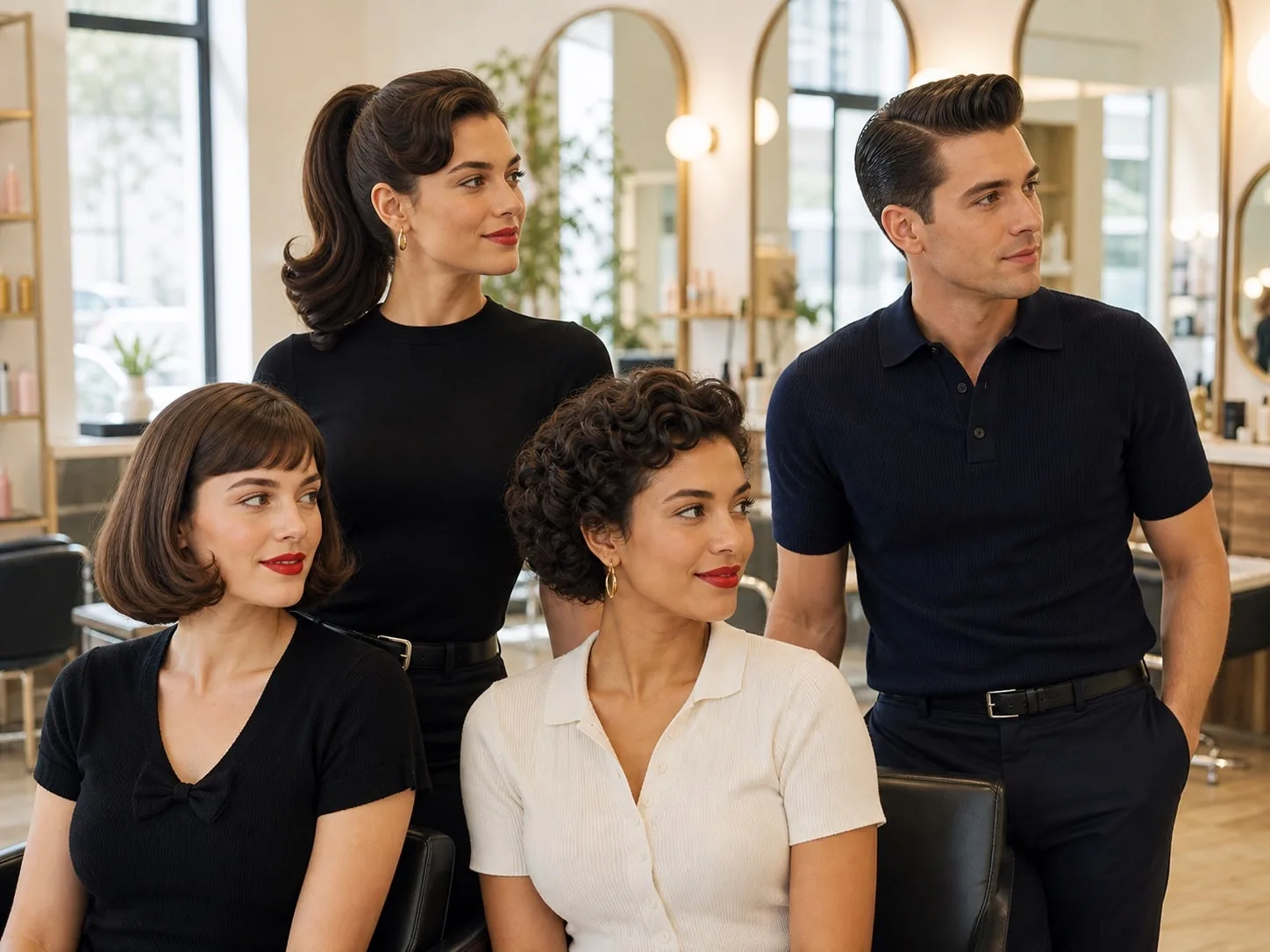
Haircuts for Thin Hair: 11 Styles That Make Hair Look Fuller
Compare the best haircuts for thin hair, from blunt bobs to soft layers, and preview the fuller-looking shape before you cut.
· 13 min read
On this page
The best haircuts for thin hair usually keep the perimeter clean, add movement near the face, and avoid cutting so many layers that the ends look sparse. A blunt bob, soft lob, pixie with texture, collarbone cut, side-parted crop, or lightly layered medium cut can make fine or thin hair look fuller because the shape holds together instead of scattering into wispy ends.
The mistake is choosing a haircut from a model with much denser hair. Thin hair needs a different filter: where does the weight sit, how much scalp shows at the part, and can the style still look good without heavy teasing or extensions?
Key takeaways
- Thin hair usually looks fuller with a strong outline, soft movement, and controlled layers.
- Blunt ends can make the bottom edge look denser, especially on bobs, lobs, and shoulder-length cuts.
- Heavy shag layers, very long lengths, and over-thinned ends can make fine hair look thinner.
- Face-framing layers work best when they are long enough to blend back into the haircut.
- Preview the shape in HairWow Try-On before cutting, then bring the best image to your stylist.
Definition: Thin hair means the overall density looks low, while fine hair means each strand is small in diameter. Many people have both, but the best haircut depends on whether the issue is density, strand thickness, breakage, or styling collapse.
Start with what makes thin hair look thicker
A haircut cannot create new hair, but it can change how much density people see. The goal is to make the hair fall in a shape that looks intentional, not stringy.
Thin hair tends to look fuller when:
- the ends form a clean line;
- the shortest layers are not too short;
- the part does not expose too much scalp;
- volume sits near the crown or cheekbones;
- the haircut works with your normal texture instead of fighting it.
It tends to look thinner when:
- the hair is very long and the ends are see-through;
- too many layers remove weight from the bottom;
- the top is flat but the ends are wispy;
- the style depends on daily heat, teasing, or product buildup;
- the cut copies a dense-hair inspiration photo without adjustment.
Use this as the first decision filter:
| If your hair looks... | Try first | Be careful with |
|---|---|---|
| Flat at the crown | Side part, soft crown layers, pixie crop | Heavy center part with no lift |
| Thin at the ends | Blunt bob, lob, collarbone cut | Long V-shape layers |
| Fine but not sparse | Soft layers, flipped ends, curtain pieces | Over-texturizing |
| Sparse around the part | Side-swept styling, shorter shape | Severe straight center part |
| Thin and wavy | Long bob, soft shag-lob, rounded layers | Razored ends that fray |
11 haircuts for thin hair
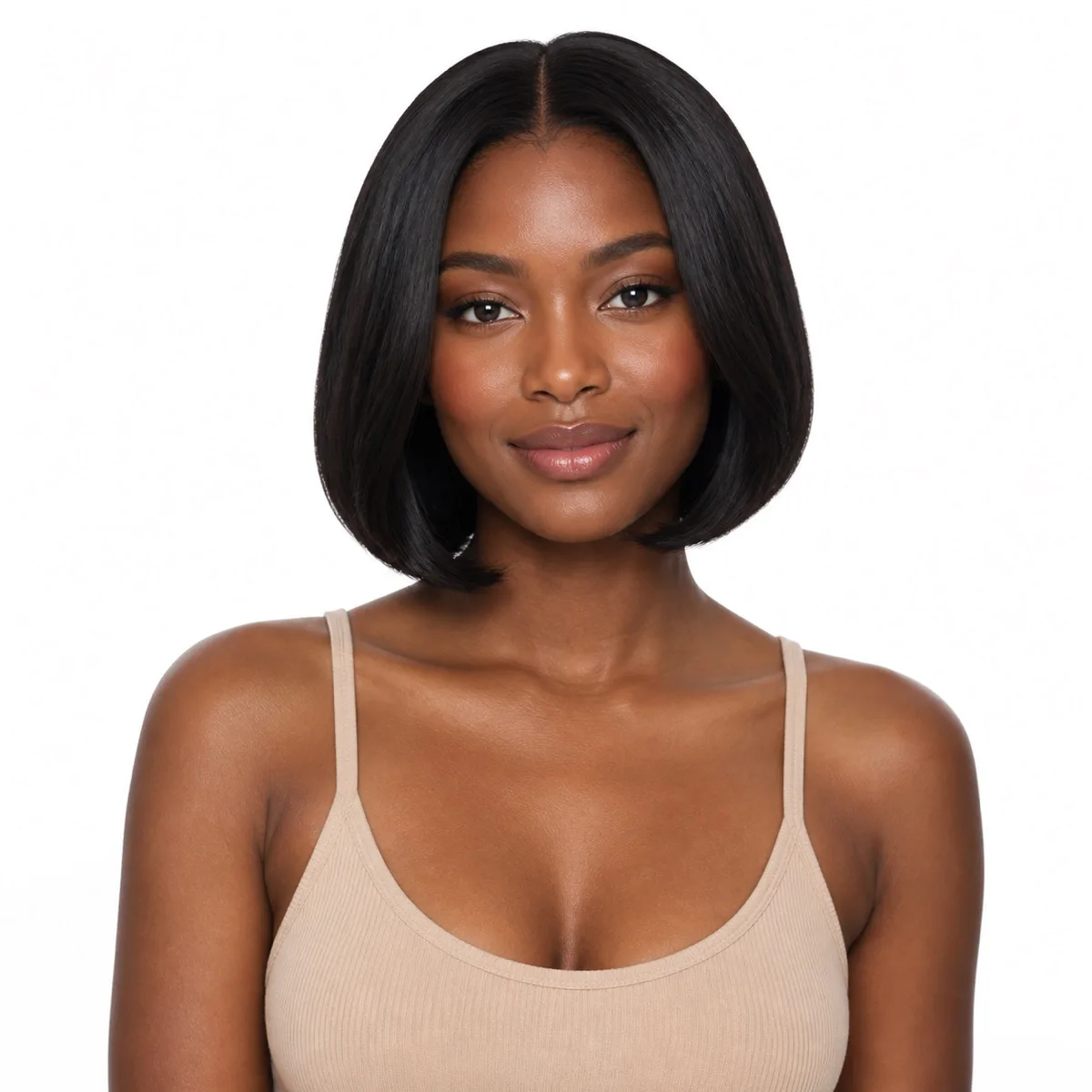
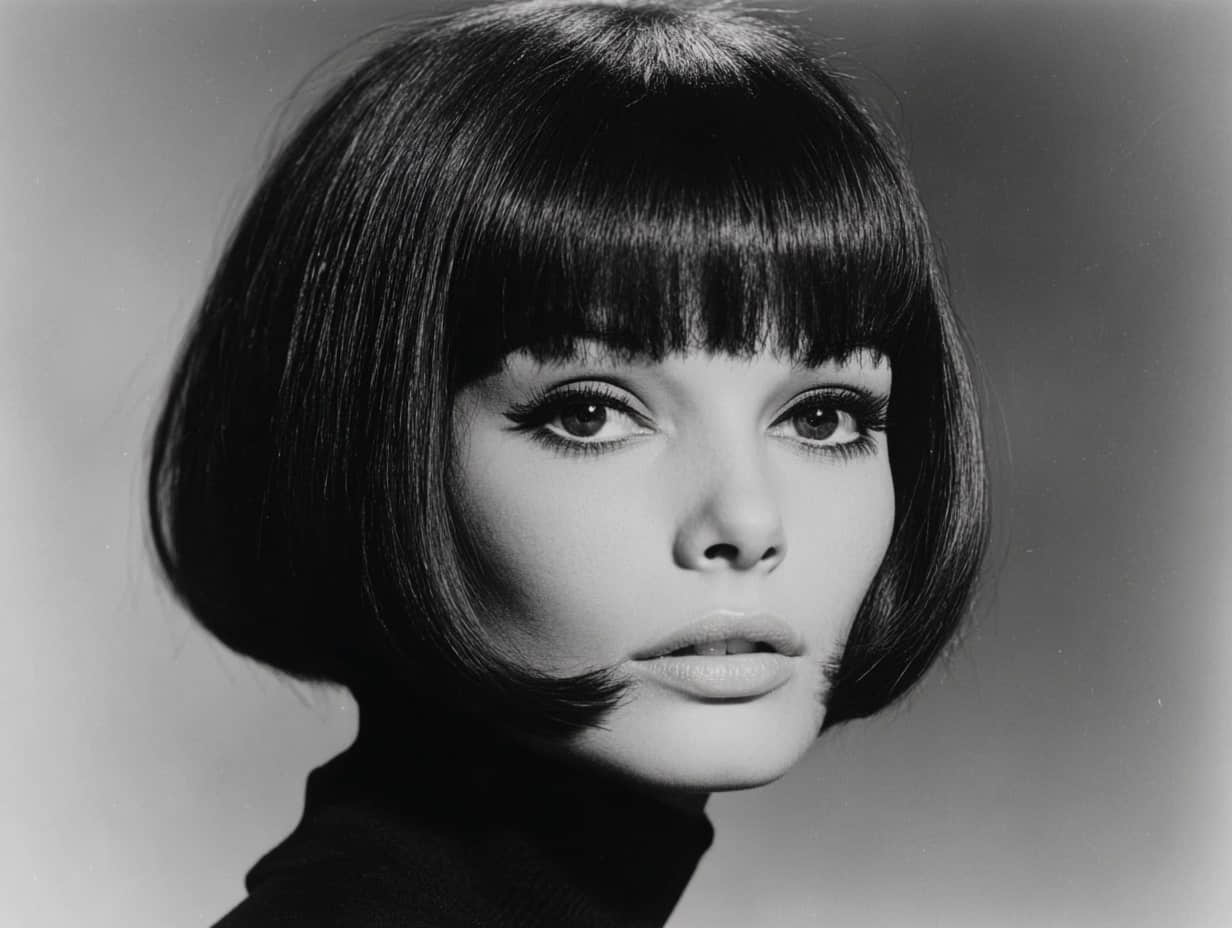
1. Blunt bob
A blunt bob is one of the safest haircuts for thin hair because the bottom edge looks solid. It works especially well if your ends look see-through when your hair gets longer.
Ask for a clean line near the jaw or just below it. The cut can still have tiny internal softness, but the outside edge should not be heavily razored.
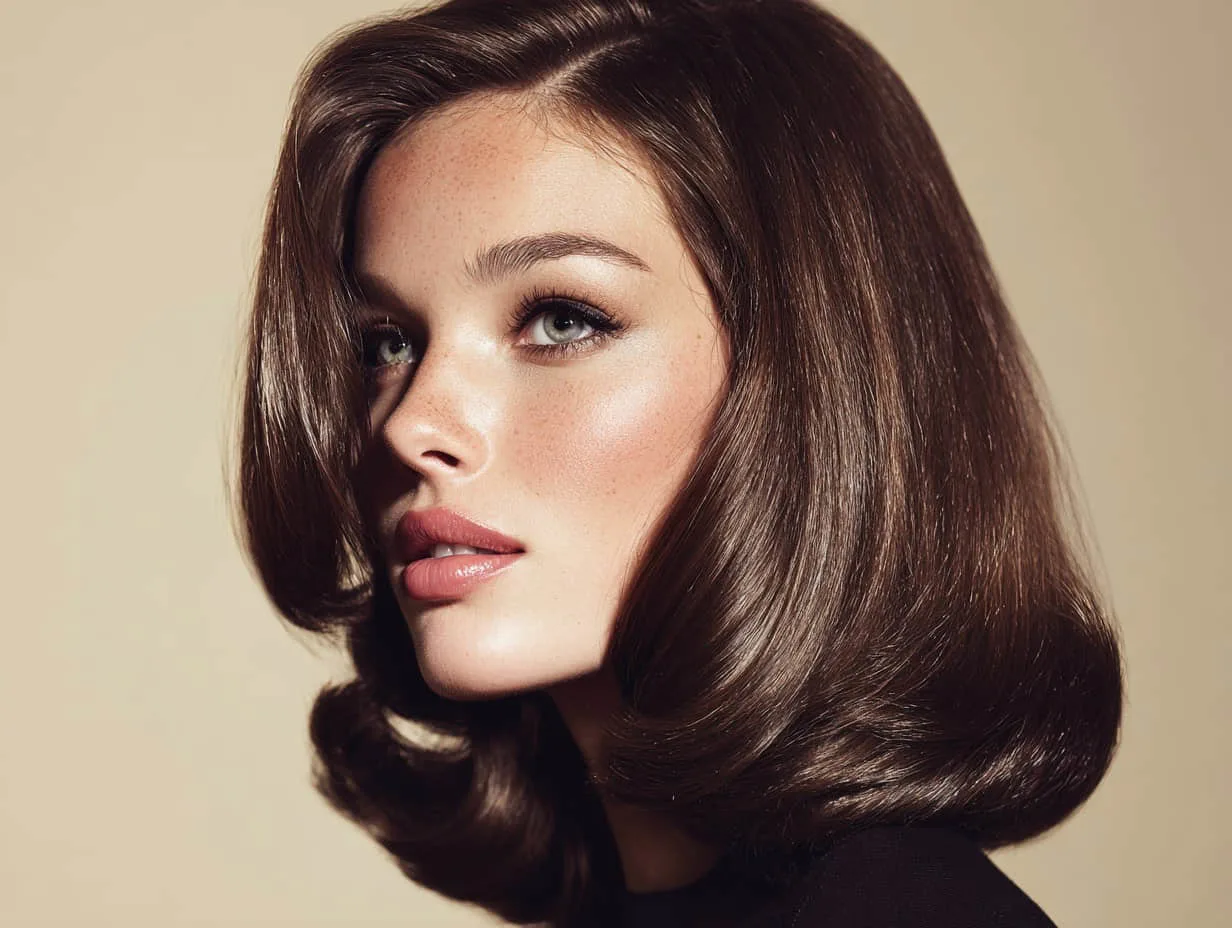
2. Soft lob
A lob, or long bob, is a good middle ground if you do not want short hair. The length usually sits from the collarbone to just above the shoulders, which keeps the ends visible and reduces the dragged-down feeling of long fine hair.
The key is not making it too layered. A soft lob should move, but it should still have enough weight at the bottom to look full.
3. Collarbone cut with flipped ends
A collarbone cut can make thin hair look polished without going short. Flipped ends add width at the lower edge, which helps the hair look more substantial in photos and from the front.
This is useful if your hair is fine but still healthy through the mid-lengths. Ask for a clean base and light face-framing, then style the ends away from the face.
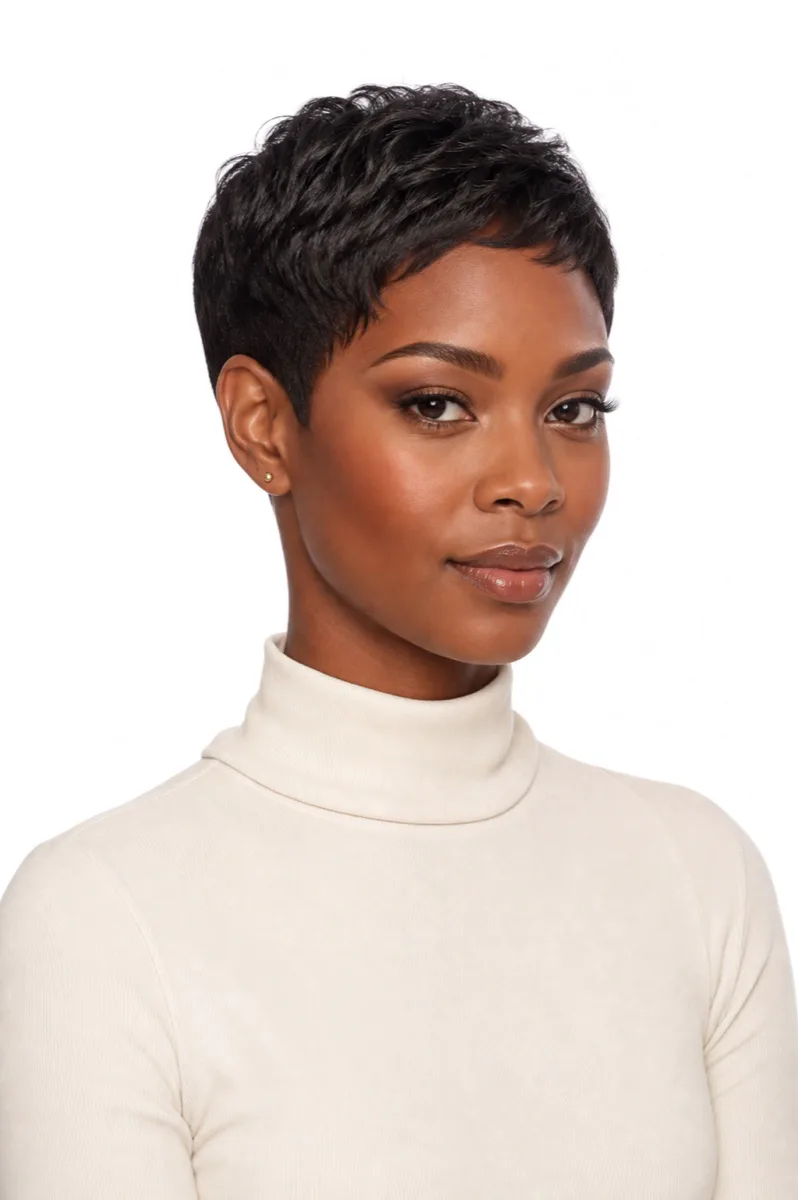
4. Textured pixie
A pixie can work beautifully on thin hair because shorter hair is lighter and can stand away from the scalp more easily. It is also honest: instead of trying to hide thin ends, it turns the shape into the style.
Ask for texture on top, not a fuzzy over-thinned finish. You want lift and direction, not random choppiness.
5. Side-parted bob
A side part can instantly make thin hair look less flat because it shifts volume away from the center. This is a good option if your middle part shows too much scalp or makes the top look wide and empty.
Keep the bob simple and let the part do the work. Too many short layers can undo the fullness.
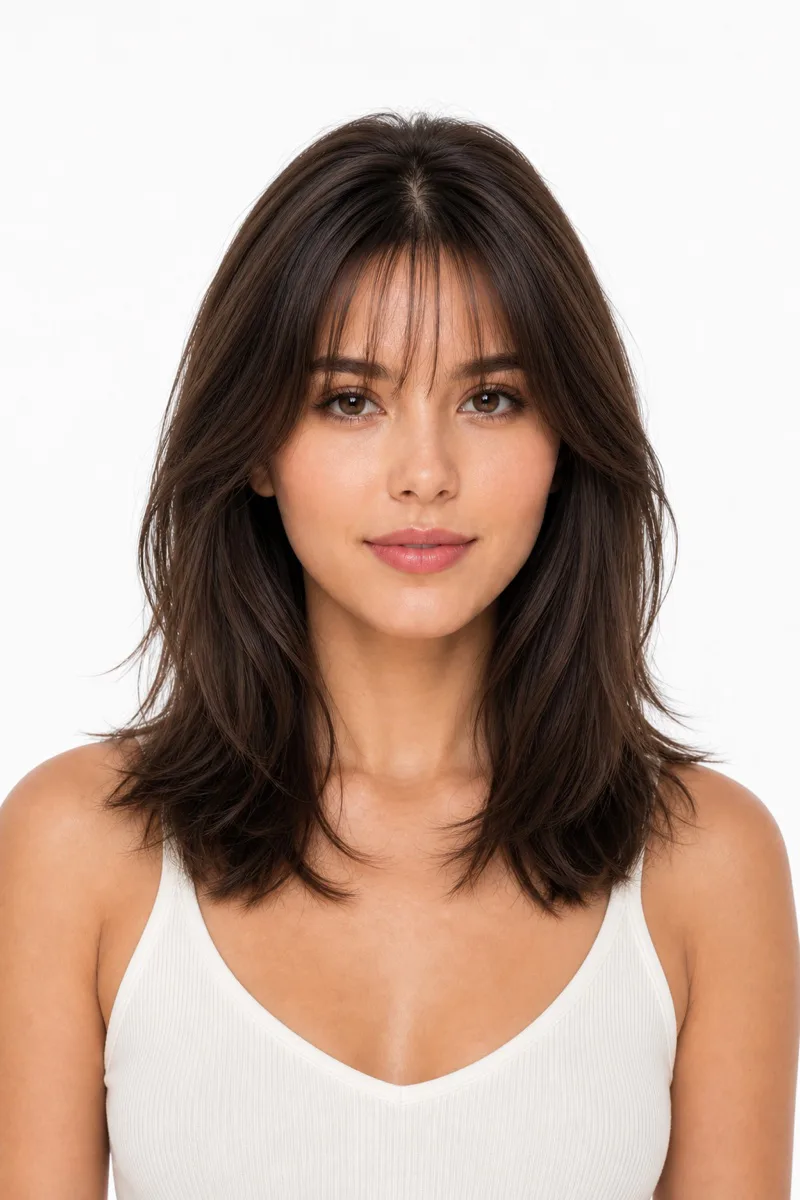
6. Face-framing layers
Face-framing layers are helpful when thin hair looks plain around the cheeks and jaw. The safest version starts around the cheekbone or chin and blends into the rest of the cut.
Avoid very short face-framing pieces if your front hairline is sparse. They can separate and make the front look thinner.
7. Wispy curtain bangs
Curtain bangs can add shape around the face without removing as much density as a thick fringe. They are best when they open softly and blend into side pieces.
If your hair is very fine at the hairline, keep the bang section narrow. A stylist should not borrow too much hair from the sides just to create a heavy fringe.
See the fuller bang checklist in Should I Get Bangs? if you are unsure whether your hairline can handle fringe.
8. Rounded bob
A rounded bob gives thin hair a contained shape. Instead of hanging straight down, the ends curve under or sit slightly rounded around the jaw and neck.
This is especially good for straight or slightly wavy fine hair. It can look too helmet-like if cut too heavy, so ask for a soft rounded edge rather than a stiff bowl shape.
9. Long layers, but only if the ends stay full
Long hair can work with thin hair, but only when the ends still look healthy. The layers should be long and subtle. If the shortest layer starts too high, the bottom can look empty.
Use a simple test: pull your hair forward. If the last three inches look thin, a shorter cut will probably look fuller than trying to keep the length.
10. Soft shag-lob
A shag can be risky for thin hair because it removes weight. The safer version is a shag-lob: shoulder-grazing length, soft face framing, and movement without shredding the ends.
This works best on wavy hair that naturally expands. If your hair is very straight and fine, ask your stylist to keep the bottom stronger.
11. Men's short crop for thinning hair
For men with thinning hair, shorter sides and a textured top often look cleaner than trying to keep extra length. A crop, short quiff, or soft side part can reduce the contrast between dense and thin areas.
If the hairline is receding, avoid pulling long top hair forward in a heavy curtain. It can look like a cover-up. A shorter, intentional cut usually reads better.
Which haircut fits your face shape?
Thin hair still has to suit your face. A cut that makes the hair look fuller can feel wrong if it widens the wrong area or hides your best features.
| Face shape | Fuller-looking haircut to test | Why it helps |
|---|---|---|
| Oval | Bob, lob, pixie, soft layers | Most shapes work; choose by density and routine |
| Round | Collarbone lob, side-parted bob, long curtain pieces | Adds length and avoids a heavy horizontal line |
| Square | Soft lob, rounded bob, face-framing layers | Softens the jaw without thinning the ends too much |
| Heart | Chin-length bob, curtain pieces, collarbone cut | Balances a wider forehead and narrower chin |
| Long | Blunt bob, soft bangs, shoulder cut with movement | Adds width and keeps the face from looking longer |
| Diamond | Bob with side pieces, soft lob, cheekbone framing | Adds softness around forehead and jaw |
If you are not sure, start with the HairWow face-shape hairstyle guide. Then preview two lengths: one shorter than you think you want and one longer. Thin hair often surprises people because the shorter version can look more expensive.
What to avoid with thin hair
Avoid asking for "lots of layers" unless your stylist has seen your hair dry and natural. On dense hair, layers create movement. On thin hair, they can remove the exact weight you need.
Be careful with:
- razor-cut ends if your hair already frays;
- heavy thinning shears;
- extremely long V-cuts;
- very short crown layers on straight fine hair;
- blunt micro bangs if the front section is sparse;
- daily tight ponytails that pull on fragile hairline areas.
The American Academy of Dermatology warns that styles that repeatedly pull on the hair can contribute to traction alopecia, and it recommends loosening tight styles and changing the hairstyle if you notice pain, stinging, crusting, or broken hairs near the hairline. That matters for thin hair because the hairline is already visually sensitive.
Thin hair vs hair loss: know the difference
This article is about haircut choice, not medical treatment. If your hair has always been fine or low-density, the right cut can make a big visual difference. If your hair is suddenly shedding, patchy, painful, itchy, or much thinner than it used to be, a haircut is not the whole answer.
AAD notes that shedding 50 to 100 hairs a day can be normal, while noticeable thinning, widening parts, bald patches, or sudden loss can signal hair loss that deserves medical attention. Cleveland Clinic also explains that scalp hair grows about 1 centimeter per month, so a bad cut can take time to grow out even when growth is normal.
That is why a preview is useful. You are not trying to diagnose anything. You are making a lower-risk style decision while you decide whether the issue is density, breakage, styling, or health.
Preview the haircut before you cut
Reference photos are useful, but they can lie. The model may have extensions, a different part, a different strand diameter, or a stylist creating temporary volume for the shoot.
Use HairWow Try-On as a fitting room:
- Upload a clear front-facing photo in natural light.
- Test a bob, pixie, volume-lift direction, and bangs before choosing a direction.
- Compare the part line, cheek width, jaw shape, and how full the ends look.
- Save the version that still looks good without dramatic styling.
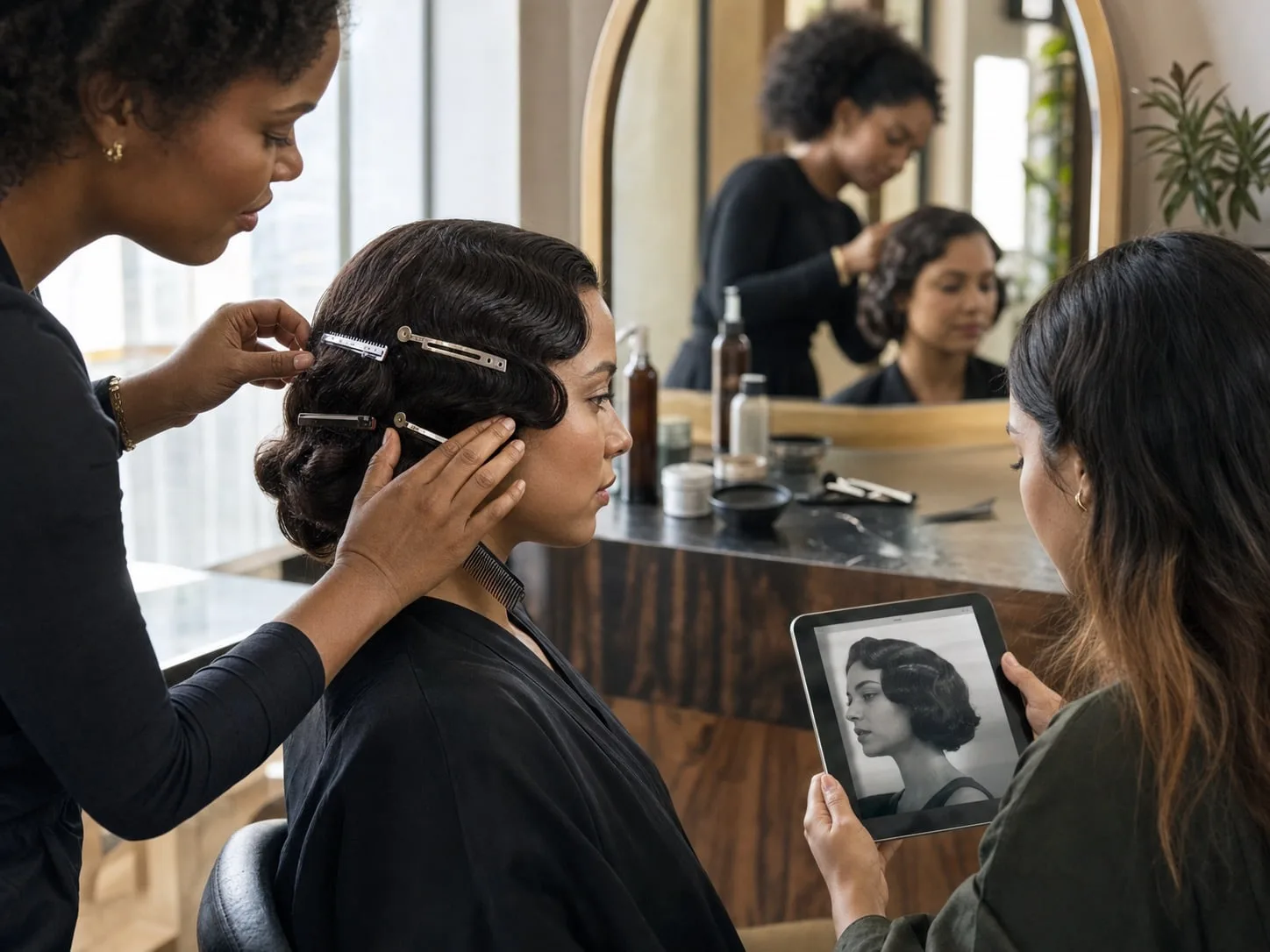
- Bring that preview to your stylist with one real reference photo.
If your thin hair is also dry, frizzy, oily, or breaking, run HairWow Hair Analysis before the cut. A haircut looks better when the condition of the hair supports the shape.
What to tell your stylist
Do not say only "make it look thicker." That is a goal, not a haircut brief.
Try this:
"My hair is fine and the ends can look thin. I want a shape that keeps the perimeter full, with only light layers where they add movement. Please avoid over-thinning the ends."
For a bob:
"I want a bob with a strong bottom edge. It can have soft internal movement, but I do not want the ends to look wispy."
For a lob:
"I want a collarbone-length lob that keeps density at the bottom and has long face-framing pieces, not short choppy layers."
For a pixie:
"I want texture and lift on top, but please keep it intentional. I do not want the top over-thinned."
Bring your HairWow preview, then ask your stylist what they would change for your real hair density. That conversation is where the good haircut happens.
FAQ
What is the best haircut for thin hair?
The best haircut for thin hair is usually a blunt bob, soft lob, collarbone cut, textured pixie, or clean medium cut with controlled layers. The exact choice depends on your face shape, texture, part, and how thin the ends look. The safest rule is to keep the perimeter fuller.
Are layers bad for thin hair?
Layers are not automatically bad, but too many layers can make thin hair look sparse. Long, soft layers can add movement without sacrificing density. Short, choppy, or heavily razored layers are riskier if your ends already look see-through.
Is short hair better for thin hair?
Shorter hair often looks fuller because it is lighter and the ends are less likely to look stringy. That does not mean everyone needs a pixie. A bob, lob, or collarbone cut can give thin hair more shape while still feeling feminine, polished, or easy to style.
Should thin hair have bangs?
Thin hair can have bangs if the section is not too heavy and your hairline can support it. Wispy bangs or curtain bangs are usually safer than a thick blunt fringe. If your front hairline is sparse, preview bangs first and ask your stylist to keep the section narrow.
What haircut makes thin hair look thicker for men?
For men, short crops, textured tops, soft side parts, and shorter sides often make thinning hair look cleaner. The goal is to reduce contrast between dense and thin areas. Very long top hair can look less natural if it is being used to cover a receding hairline.
Can a haircut fix thin hair?
A haircut can make thin hair look fuller, but it cannot change hair density or treat hair loss. If the thinning is sudden, patchy, painful, itchy, or much different from your normal hair, talk with a dermatologist. If the issue is mainly shape, a better cut can help a lot.
Summary
The best haircuts for thin hair make the shape look deliberate: a clean edge, controlled layers, enough movement around the face, and no unnecessary thinning at the ends. Start with a bob, lob, pixie, collarbone cut, or soft face-framing shape, then preview it on your own photo before cutting.
If you are choosing between two options, pick the one that makes your ends look fuller in a normal, low-effort style. A haircut that only works with salon-level volume is not the best everyday cut for thin hair.