Wavy Pixie Cut Guide: How to Keep Short Waves Soft
A practical wavy pixie cut guide for choosing length, fringe, taper, texture, salon wording, styling routine, and grow-out plan before cutting short.

· 16 min read
On this page
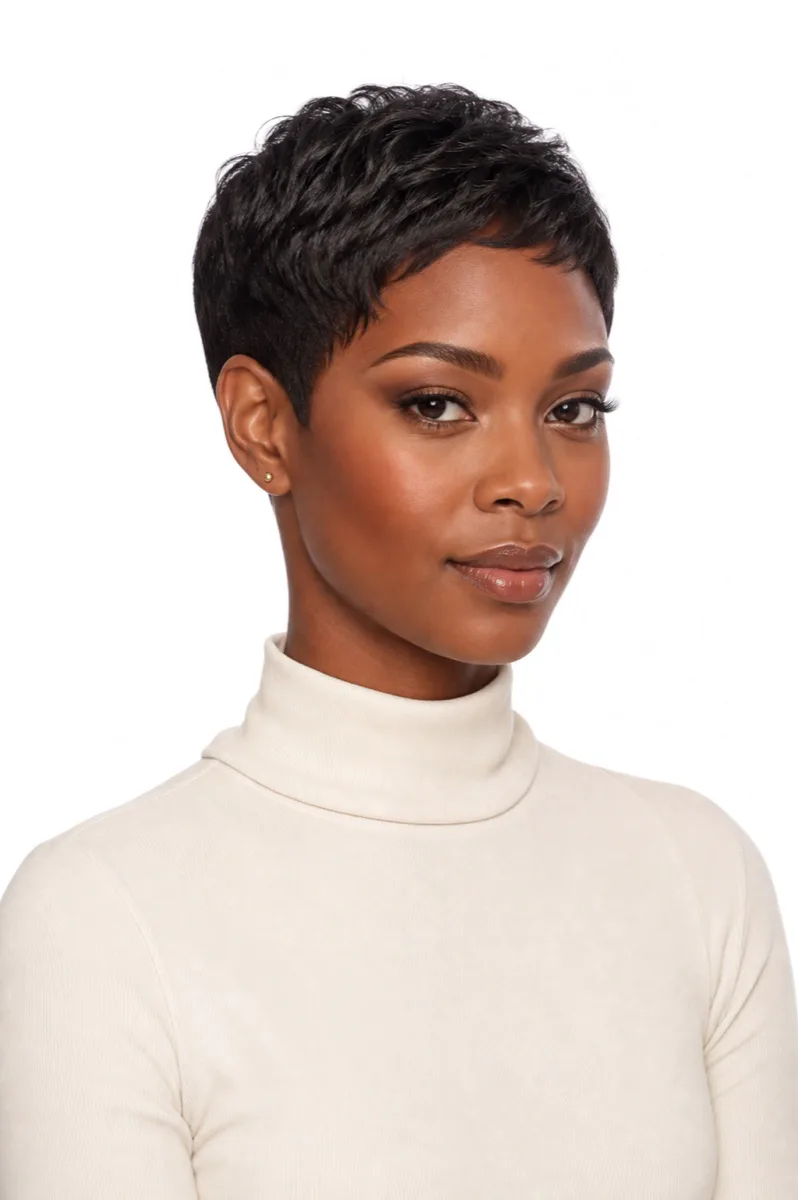
A wavy pixie cut works when the haircut leaves enough top and fringe length for your wave to bend, while the sides and nape are shaped tightly enough to avoid puffiness. If your hair has a loose S-wave, ask for a soft long pixie or bixie. If your hair is dense or expands at the back, ask for a tapered nape and controlled sides. If your wave is closer to a curl, do not cut the top too short.
The main risk is not "short hair." The risk is cutting away the exact length your wave needs to form. A pixie that is perfect on straight hair can become round, bulky, or fluffy on wavy hair. Before you cut, preview the short outline in HairWow Try-On, then bring your stylist a clear note about top length, side weight, fringe direction, and grow-out plan.
Key takeaways
- Keep more length on top than you would for a straight-hair pixie.
- Use taper at the nape or sides only where your hair gets heavy.
- Side-swept and piecey fringes are usually easier than blunt micro bangs.
- Do not over-thin wavy ends; too much thinning can make the outline frizzy.
- Ask for a dry check before you leave the salon.
- Plan the first grow-out shape before the first cut.
- If you wear glasses, masks, helmets, or headphones often, test the side length carefully.
Definition: A wavy pixie cut is a short haircut that keeps enough top, crown, and fringe length for natural wave movement while shaping the sides and neckline close enough to stay light.
Who a wavy pixie suits
A wavy pixie suits people who want short hair with movement instead of a flat, slick, or helmet-like shape. It is especially good when your hair already bends naturally near the ears, crown, or fringe. The wave gives the cut softness, so the shape can look styled even when you only use a small amount of product.
It may not be the best first short cut if your hair changes dramatically with humidity, if your wave starts only below chin length, or if you need to tie hair back for work. In those cases, a bixie, short bob, or longer tapered crop can be a smarter first step.
The question is not whether wavy hair can be pixie length. It can. The better question is how much length your wave needs before it looks intentional.
Wavy pixie styles
| Wavy pixie style | Best for | What to ask for | Main risk |
|---|---|---|---|
| Soft wavy pixie | First short cut | Longer top, soft sides, light texture | Can look too round if sides are not controlled |
| Tapered wavy pixie | Thick sides or heavy nape | Nape taper, controlled side weight, longer crown | Too much taper can expose cowlicks |
| Side-swept pixie | Round, square, or heart faces | Longer fringe that moves diagonally | Fringe may fall into the eyes |
| Shaggy pixie | Strong wave or loose curls | Piecey layers, soft edges, not too much thinning | Can become messy if crown is over-layered |
| Long pixie | Nervous first-timers | Keep ear and fringe length, trim nape clean | May feel like an unfinished short bob |
| Curly-wavy crop | Waves that shrink toward curls | Curl-aware dry check, longer top, soft perimeter | Shrinkage can make it much shorter than expected |
| Pixie with undercut | Very thick hair | Hidden weight removal under the top layer | Harsh if the undercut is visible in the wrong place |
| Bixie | Bob-to-pixie transition | Bob softness with pixie nape shaping | Needs regular cleanup to stay intentional |
Soft wavy pixie
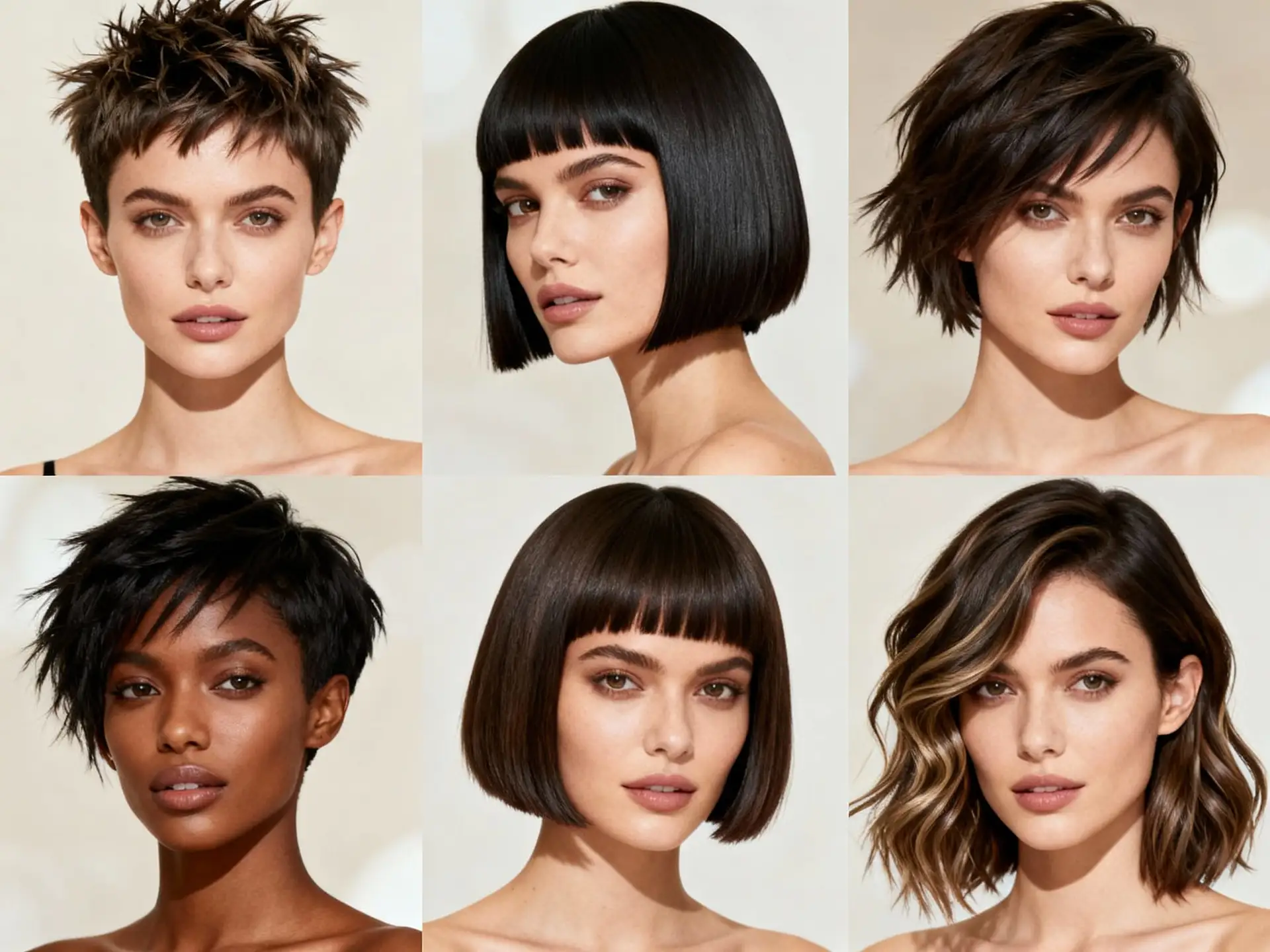
A soft wavy pixie is usually the safest version. It keeps enough length around the top and temples so the wave can show. It works well if you want short hair but still want a feminine, low-contrast outline.
Ask your stylist to keep the crown soft, the sides light, and the fringe long enough to move. Avoid a very short uniform crop on the first appointment unless you already know your wave behaves well at that length.
Tapered wavy pixie
A tapered wavy pixie is useful when the back of your hair gets bulky. The taper removes weight at the nape so the top can keep movement without the whole cut becoming triangular.
The annoying part is that taper placement matters. A low taper can look clean. A taper that climbs too high can make the top look disconnected. Ask your stylist to taper only the heavy area first, then reassess after the hair is dry.
Side-swept wavy pixie
A side-swept wavy pixie uses the wave as face framing. It is easier to wear than blunt micro bangs because the diagonal line softens the forehead and cheekbones.
This style is good if you like a little asymmetry. It is less ideal if your front pieces always fall forward at work, during exercise, or while wearing glasses.
Shaggy wavy pixie
A shaggy wavy pixie has more broken texture and less neatness. It is forgiving between trims and works well when the wave pattern is irregular.
The tradeoff is polish. If your workplace or personal style needs a very clean outline, keep the shaggy texture mostly on top and ask for a tidier neckline.
Bixie
A bixie sits between a bob and a pixie. It is a strong option if you want to go short but do not want the shock of a very short crop. It also gives you more grow-out flexibility.
A bixie can look heavy on wavy hair if the back is not shaped. Ask for enough nape control that the cut does not become a mushroom shape after two weeks.
How to choose the right length
The right length depends on where your wave starts. Some hair bends close to the root. Some stays straight for several inches and waves only near the ends. A pixie removes many of those ends, so you need to know what texture remains.
| Wave behavior | Safer pixie choice | Why |
|---|---|---|
| Wave starts near the root | Tapered pixie, shaggy pixie, curly-wavy crop | The wave will still show when short |
| Wave starts at mid-length | Long pixie, bixie, side-swept pixie | You need more length for visible bend |
| Hair is straight at the crown but wavy at the ends | Bixie or longer pixie | A very short top may look flatter than expected |
| Hair expands in humidity | Tapered sides, longer top, controlled layers | Shape control matters more than extra thinning |
| Hair is fine and wavy | Soft pixie with light crown lift | Too much layering can make it look sparse |
| Hair is thick and wavy | Nape taper, hidden weight removal, longer top | Weight must be removed selectively |
If you are unsure, ask for a long pixie first. You can always cut shorter at the next appointment. You cannot put the wave-supporting length back right away.
Face-shape notes
Face shape is not a rulebook, but it helps explain why the same pixie can look soft on one person and severe on another.
| Face shape or feature | Wavy pixie adjustment |
|---|---|
| Round face | Add side direction, a little crown lift, and avoid a round bubble shape |
| Square jaw | Keep soft piecey edges near the temple or cheekbone |
| Long face | Avoid too much height; consider a fuller side fringe |
| Heart-shaped face | Keep a longer front section to balance the forehead |
| Oval face | Most versions work; choose based on texture and lifestyle |
| Strong cheekbones | Try a tucked or tapered side to show the bone structure |
| High forehead | Use a side-swept or broken fringe rather than exposing all of the forehead |
| Small forehead | Keep the fringe airy and avoid heavy short bangs |
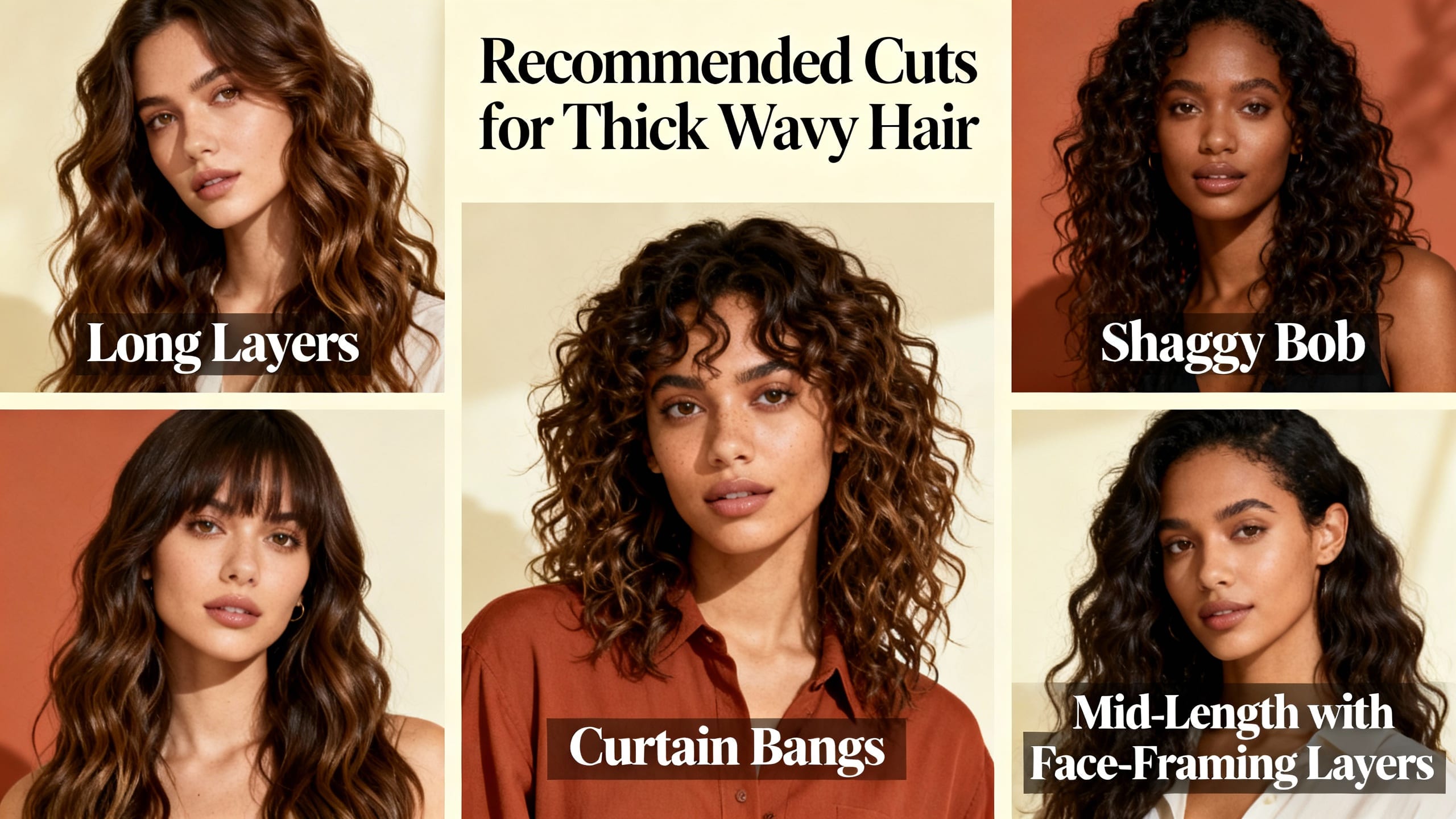
Use HairWow Try-On to compare the outline before the appointment. A short cut changes the amount of face you see at once. That can be good, but it is better to see it before the scissors are involved.
Texture and density notes
Wavy pixie advice changes a lot by density. A fine wavy pixie needs lift and shape. A thick wavy pixie needs controlled weight removal. A curly-wavy pixie needs shrinkage planning.
Fine wavy hair
Fine wavy hair can look airy and modern in a pixie, but it can also collapse if too much weight is removed. Ask for soft texture, not aggressive thinning. Use a light mousse, foam, or small amount of paste rather than heavy cream.
Medium wavy hair
Medium-density wavy hair has the easiest path. You can usually choose a soft pixie, side-swept pixie, or bixie without extreme adjustments. The main decision is how much nape taper you want.
Thick wavy hair
Thick wavy hair needs a shape plan. If the stylist only shortens the hair without controlling the nape and sides, the cut can widen. Ask for selective weight removal, a clean neckline, and enough top length to avoid a round cap.
Curly-wavy hair
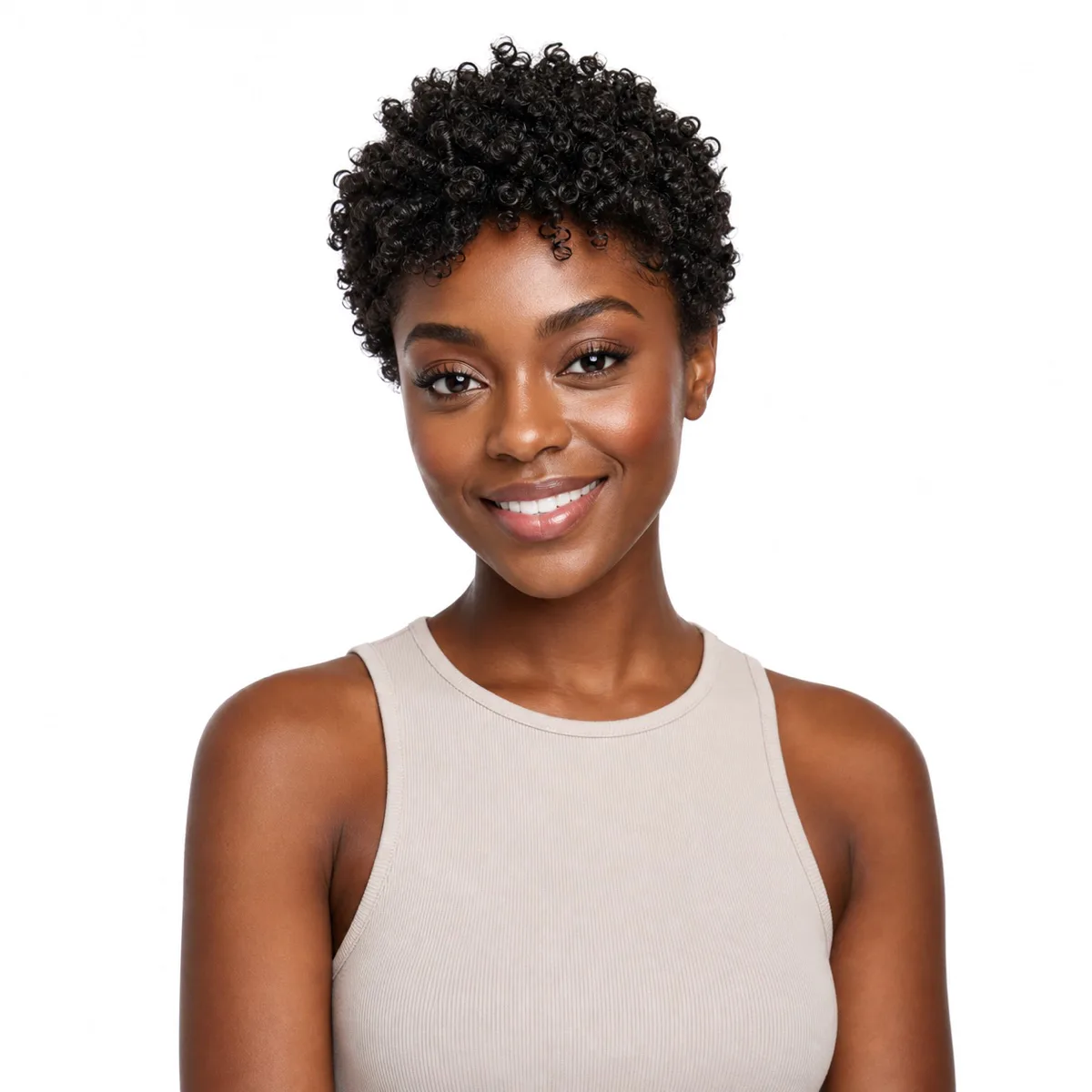
Curly-wavy hair can shrink more than expected. A dry check matters. If your stylist cuts wet, ask them to finish after the wave pattern settles. Avoid cutting the fringe to its final visual length while wet.
What to ask your stylist
Bring a simple brief. Do not rely only on inspiration photos, because the photo may show a different wave pattern, density, face shape, and styling routine.
Use wording like this:
- "I want a wavy pixie, not a straight-hair pixie forced onto wavy hair."
- "Please leave enough length on top for my wave to bend."
- "Taper the nape where it gets bulky, but keep the crown soft."
- "Do not thin the ends too much. I want texture, not frizz."
- "Cut the fringe so it can move to the side."
- "Can we do a dry check before the final cleanup?"
- "If this grows out, I want it to move toward a bixie or short bob."
Here is the shorter salon version:
| What you want | Phrase to use |
|---|---|
| Wave on top | "Keep enough top length for bend and movement." |
| Less bulk at the back | "Taper the nape, but do not climb too high." |
| Softer face | "Leave a side-swept front piece." |
| Less frizz | "Please avoid over-thinning the ends." |
| Easier grow-out | "Shape it so it can grow into a bixie." |
| More polish | "Keep the neckline clean and the crown controlled." |
What to avoid
The biggest mistakes are usually small decisions made too quickly.
Avoid these:
- Cutting the top too short on the first appointment.
- Using straight-hair pixie references without adapting them.
- Over-thinning the sides until the wave turns fuzzy.
- Choosing blunt micro bangs if your front wave jumps upward.
- Ignoring cowlicks at the crown or hairline.
- Forgetting glasses, work headsets, helmets, or daily accessories.
- Skipping the grow-out conversation.
The American Academy of Dermatology warns that rough brushing, tugging, and damaging styling habits can make hair look brittle or frizzy. For a wavy pixie, that means your daily routine should support the wave instead of forcing it into place.
Styling routine
A wavy pixie should not need a 30-minute routine. If it does, the cut may not match your texture.
Five-minute routine
- Wet your hands and lightly reset the top.
- Add a pea-size amount of curl cream, mousse, or light paste.
- Scrunch the top and fringe into the direction you want.
- Let it air dry or diffuse on low.
- When dry, separate a few pieces with your fingertips.
Do not brush the top after it sets. Brushing can turn wave into puff. If you need to reshape, mist the hair and reset the wave instead.
Product guide
| Product | Use when | Use carefully if |
|---|---|---|
| Lightweight mousse | Fine or flat waves need lift | Your hair gets crunchy easily |
| Curl cream | Wavy-curly texture needs softness | Fine hair gets weighed down |
| Texture paste | You want piecey ends | Your hair is dry or frizz-prone |
| Sea-salt spray | You want grit and separation | Your hair is already dry |
| Flexible hairspray | You need all-day hold | You touch your hair often |
| Leave-in conditioner | Ends feel dry or rough | The cut collapses with heavy product |
Heat styling
Use less heat than you think you need. A pixie has less length to hide damage, and short ends show dryness quickly. If you diffuse, use low heat and low speed. If you use a small iron to define a few pieces, protect the hair first and do not clamp the same section repeatedly.
Grow-out plan
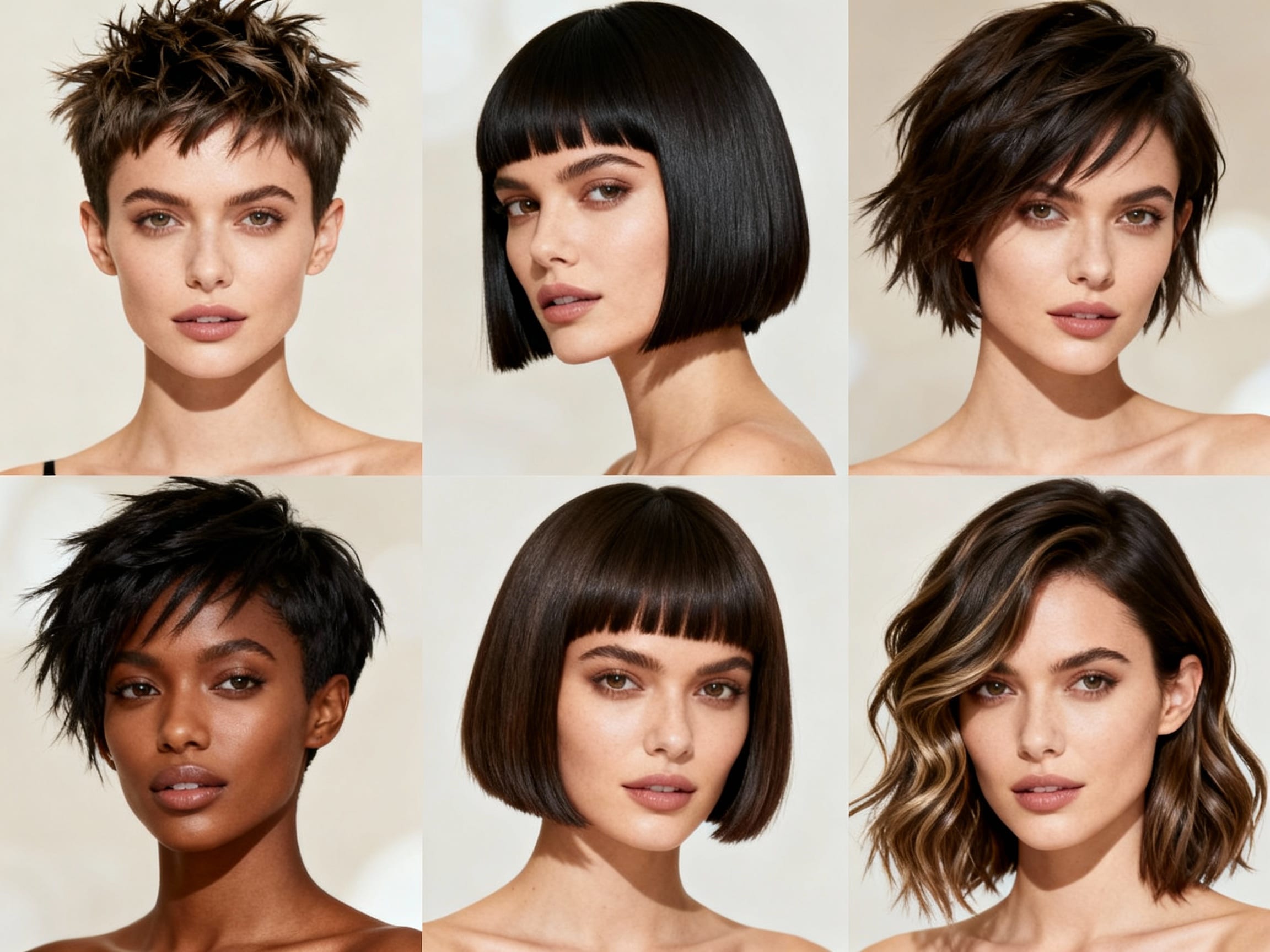
A wavy pixie usually grows into a bixie first, then a short bob. The awkward stage is often the nape and side area, not the top. Ask your stylist to keep the neckline clean while letting the crown and front catch up.
Hair growth varies by person, but NCBI Bookshelf's anatomy overview notes that healthy scalp hair growth is often discussed around 0.35 mm per day, roughly half an inch per month. That means a bad first shape can take months to fully change, so the first cut should be conservative where you are unsure.
Use this trim plan:
| Timeline | What to clean up | What to leave alone |
|---|---|---|
| Week 4 to 6 | Nape, ears, heavy side pieces | Top length if wave still looks good |
| Week 7 to 10 | Fringe direction, crown balance | Front length if growing toward bixie |
| Month 3 | Decide pixie maintenance or bixie grow-out | Avoid random thinning just to reduce bulk |
| Month 4+ | Shape into short bob if desired | Keep layers connected |
When a wavy pixie is not the best move
Choose a longer short cut first if:
- You need to tie your hair back every day.
- Your wave only appears below chin length.
- Your hairline cowlick controls the front shape.
- You strongly dislike using any styling product.
- You are cutting short because your ends are damaged, but your roots behave differently.
- You are not comfortable trimming every 4 to 7 weeks.
A bixie, short layered bob, or face-framing cut may give you the same lightness with less risk.
How to test it before cutting
Use a photo where your hair is off your face and your head is straight. In HairWow, compare:
- A textured pixie for the short outline.
- A short curly or wavy crop if your hair may shrink.
- A softer layered backup if you want less risk.
Look at three things: forehead exposure, side width, and neckline. If you dislike all three in the preview, do not force the pixie. If you like the outline but not the front, ask your stylist for a longer side fringe.
FAQ
Is a pixie cut good for wavy hair?
Yes, a pixie cut can be good for wavy hair if the top and fringe are left long enough for the wave to form. The sides and nape usually need more control than straight hair. A dry check helps because wavy hair can expand, bend, or shrink after the first cut.
What is the best wavy pixie for a first short haircut?
A long pixie or bixie is usually the safest first short cut for wavy hair. It keeps more front and top length, so the wave still has room to move. You can taper the nape for lightness without committing to a very short crop everywhere.
Should a wavy pixie be cut wet or dry?
Many stylists start wet, but a dry check is important. Wavy hair changes shape as it dries. Ask your stylist to check the fringe, crown, sides, and nape after the wave has settled, especially if your hair shrinks or expands with humidity.
How often should I trim a wavy pixie?
Most wavy pixies need a cleanup every 4 to 6 weeks. A longer pixie or bixie may stretch closer to 7 or 8 weeks. The neckline and side pieces usually need attention first, while the top can often grow a little longer.
Will a wavy pixie make thick hair puff out?
It can if the cut removes length without shaping the weight. Thick wavy hair usually needs a controlled nape, selective side weight removal, and enough top length. Avoid aggressive thinning through the ends, because that can turn waves into fuzzy volume.
Is a wavy pixie hard to style every day?
It should not be hard if the cut fits your wave pattern. Most people need water, a light product, and finger shaping. If you need heavy heat styling every morning, the cut may be too short, too round, or not adapted to your natural texture.
Can a wavy pixie grow out well?
Yes, if the first cut is planned with the grow-out in mind. Ask your stylist to keep the shape connected so it can move into a bixie or short bob. Clean up the nape while letting the top and front catch up.