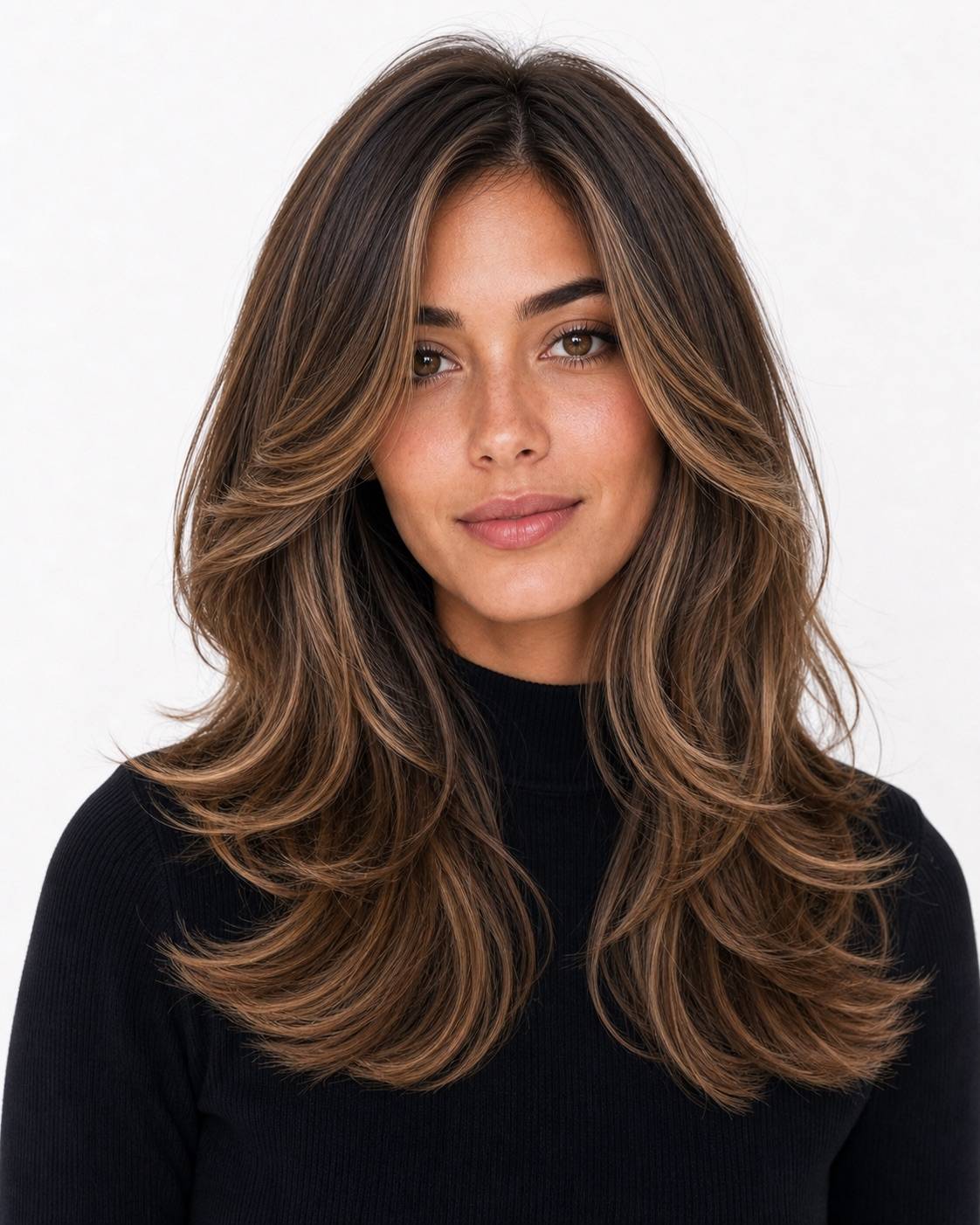
Unveiling the Beauty: African Hairstyles for Ladies
Explore the rich history, cultural significance, and stunning versatility of African hairstyles, empowering self-expression and healthy hair.
· 4 min read
On this page
Ever Wondered How Your Hair Can Tell a Story?
Your hair is so much more than just strands on your head; it's a powerful canvas for self-expression, identity, and, for many, a direct link to their heritage. African hairstyles, in particular, are not just about looking good; they're a vibrant tapestry woven with history, culture, and profound personal meaning. Imagine styles that have been passed down through generations, telling tales of status, age, and spiritual beliefs, some dating back thousands of years. It's truly art, history, and beauty, all rolled into one.
What Makes African Hairstyles So Unique and Captivating?
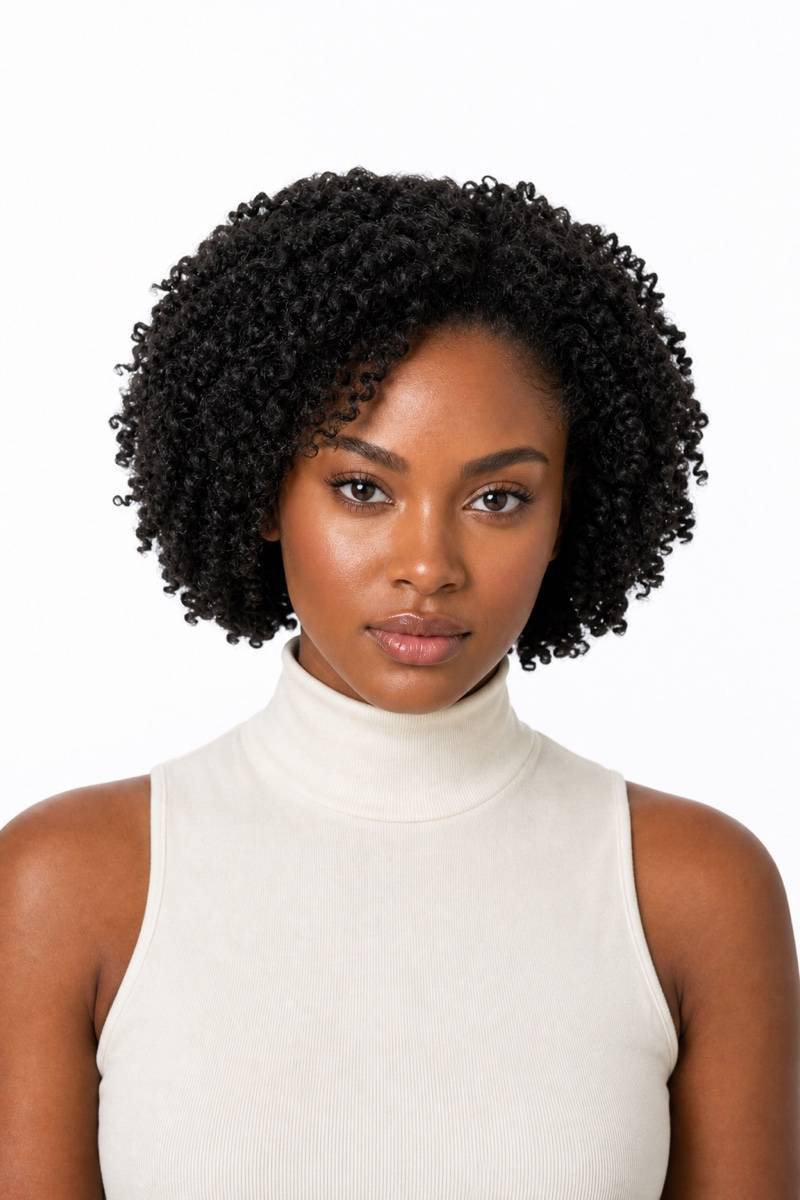
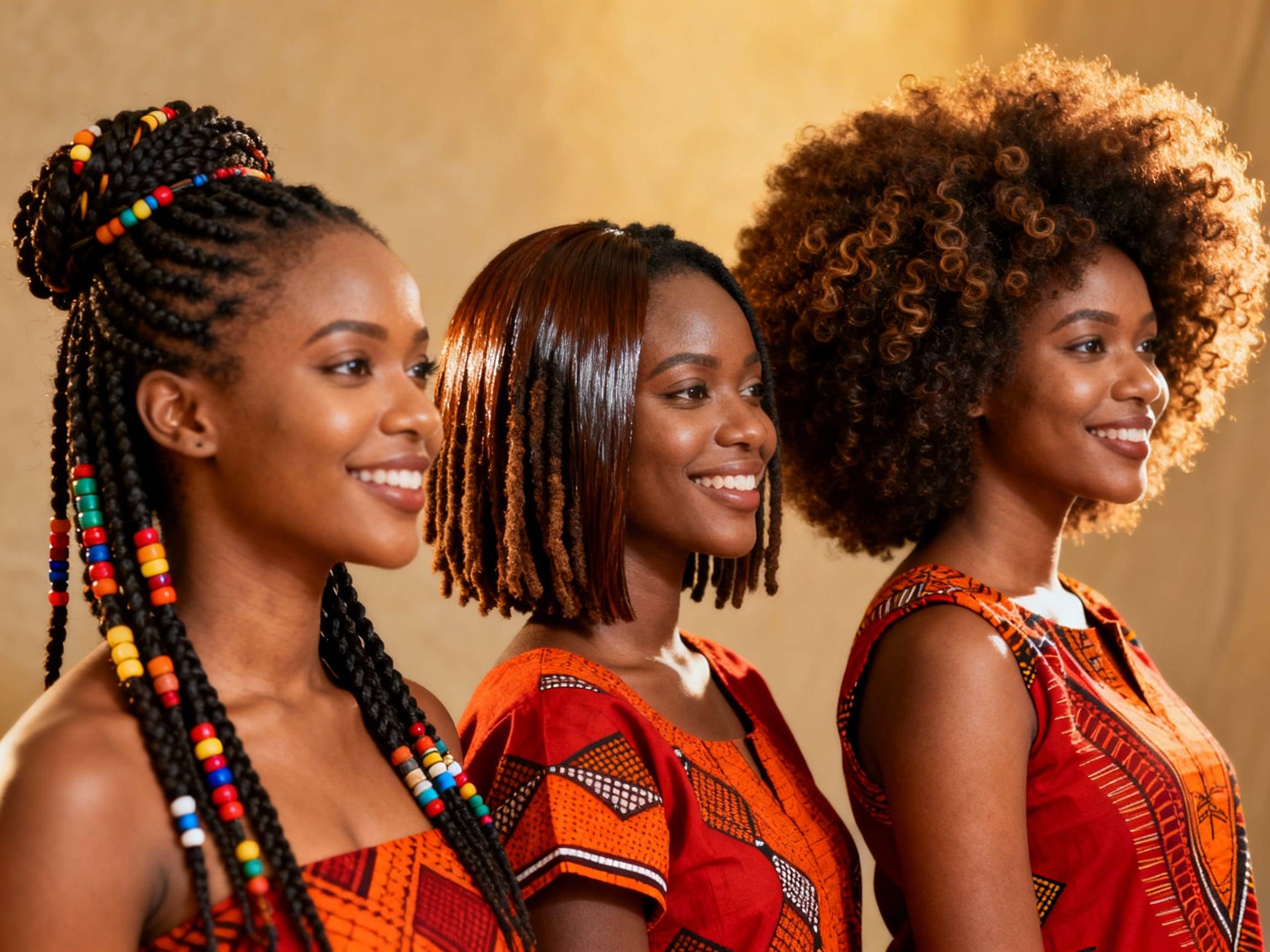
The distinctive characteristics of African hair – its coily, kinky, or curly texture – lend themselves beautifully to an incredible array of styles that work with its natural strengths. These styles celebrate the hair's natural volume, resilience, and versatility, rather than trying to force it into unnatural forms. From intricate patterns that mimic nature to bold, sculptural designs, African hairstyles are known for their creativity, precision, and often, their protective qualities. The sheer diversity is astounding, ranging from the delicate threading techniques of West Africa to the elaborate braiding traditions seen across the continent. Each style is a testament to ingenuity and cultural pride.
Which African Hairstyles Are Trending Right Now, and What's Their Story?
Today, traditional African hairstyles are experiencing a massive resurgence, constantly being reinterpreted for modern fashion while still honoring their roots. Let's look at a few popular ones:
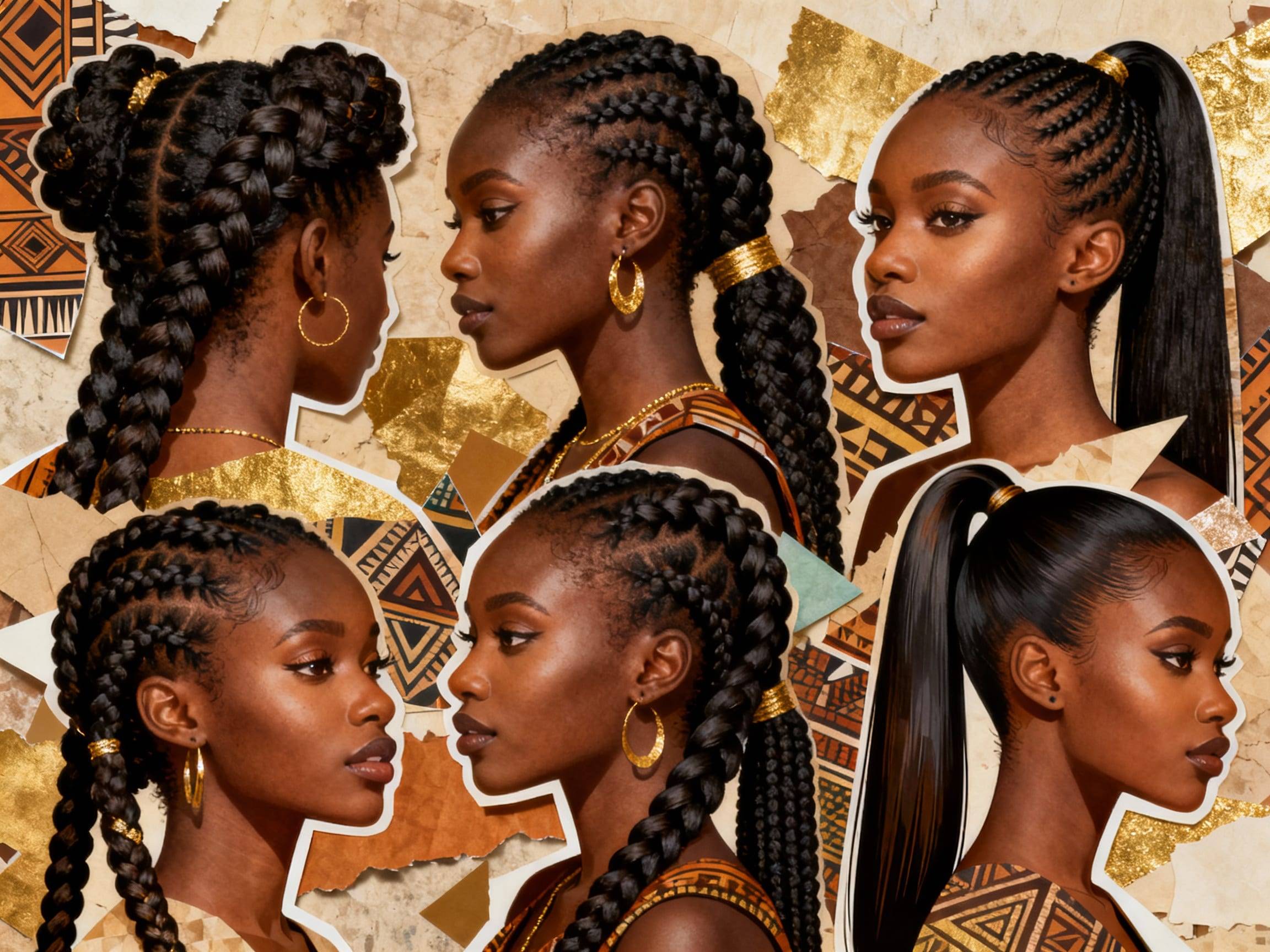
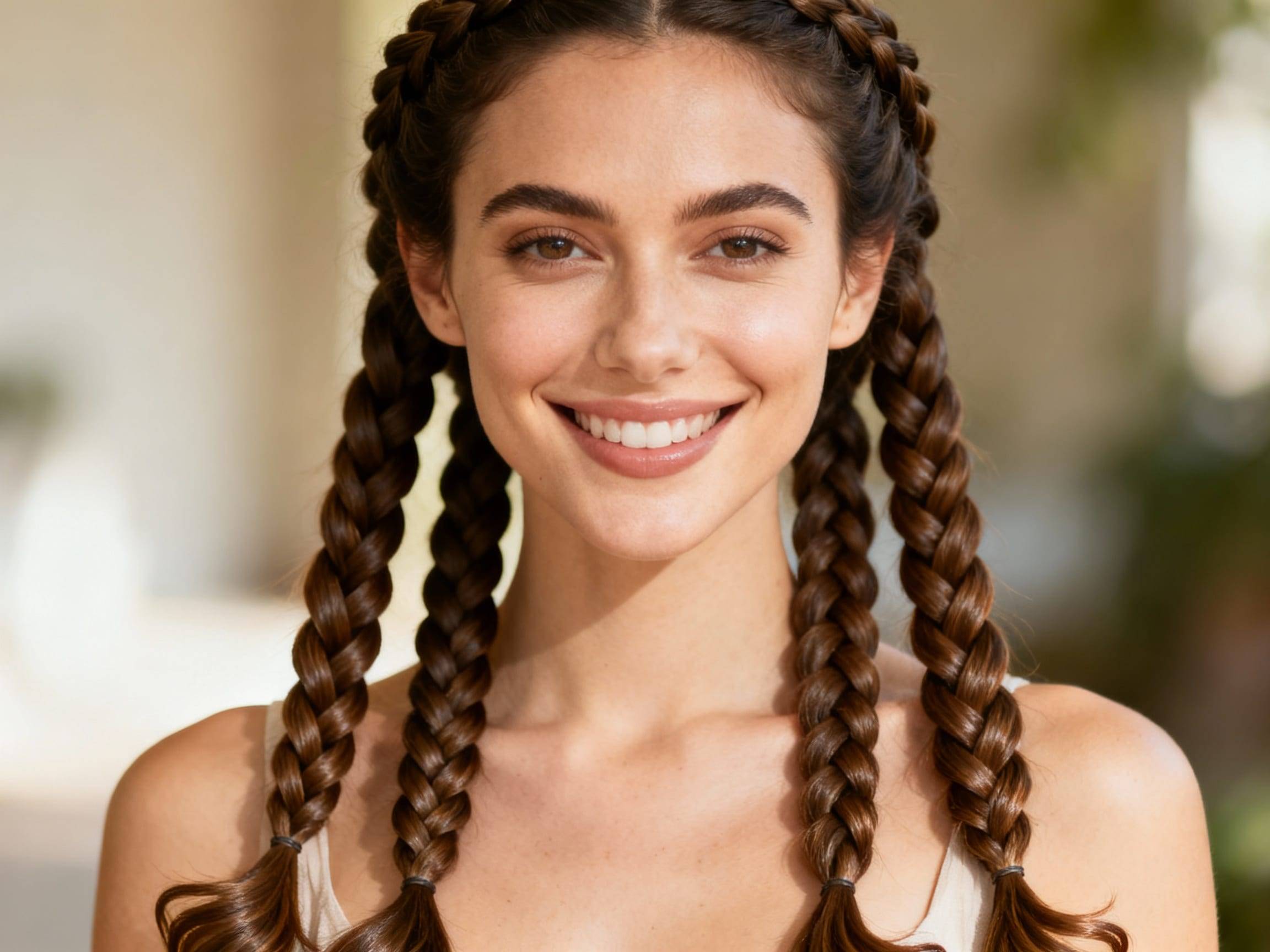
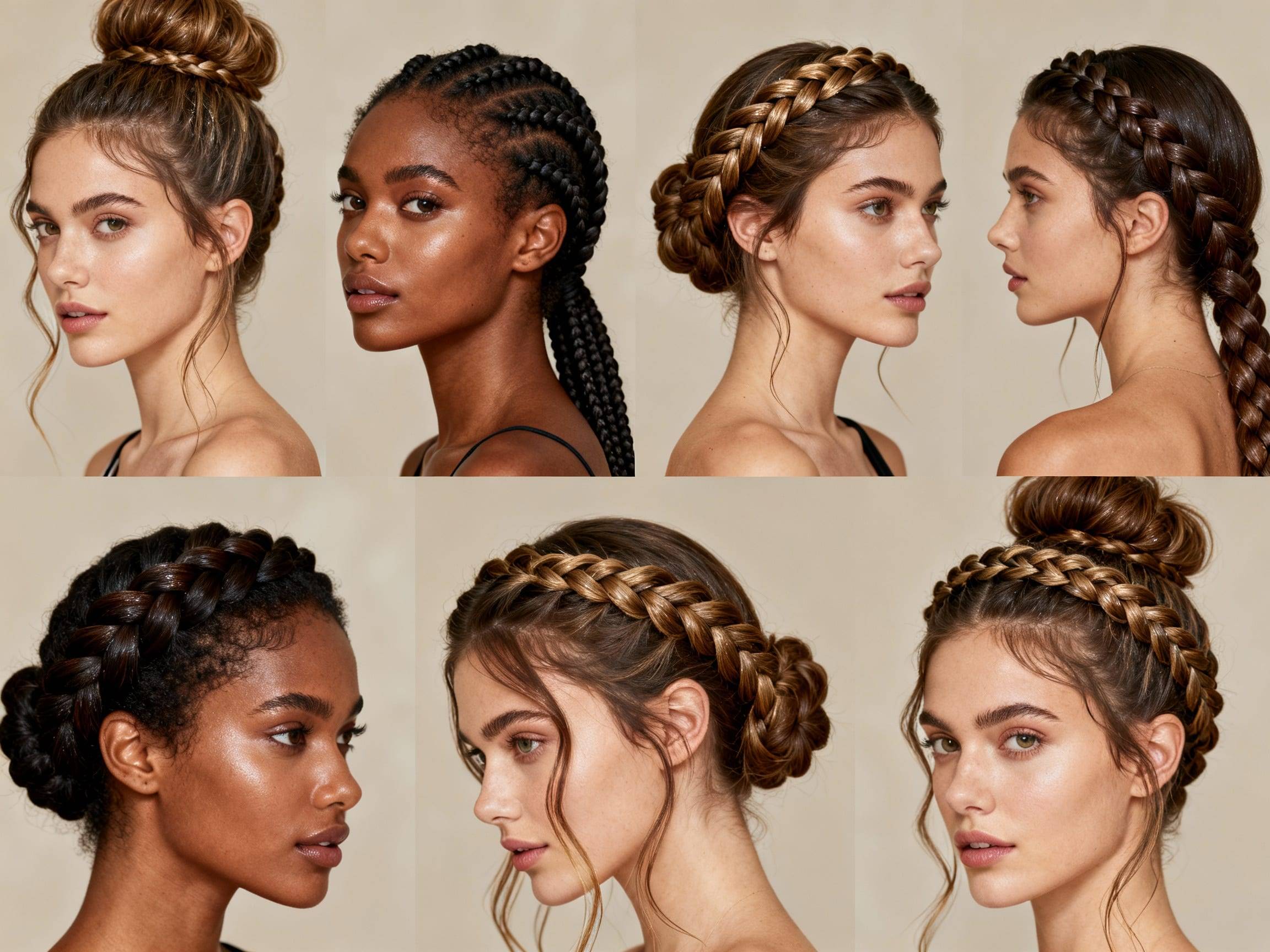
- Box Braids: These classic three-strand braids are known for their versatility and protective nature. Originating from various African cultures, they're individual braids that can be styled in countless ways, from long and flowing to intricate updos.
- Cornrows: Braided flat against the scalp in straight lines or elaborate geometric patterns, cornrows are another ancient style with roots across Africa. They've been seen on everyone from ancient warriors to modern-day celebrities, making them a timeless choice.
- Ghana Braids (Banana Braids/Invisible Cornrows): A variation of cornrows where hair is added to the braid as it progresses, creating a thicker, often larger braid that flows back from the hairline. These are particularly popular for their smooth appearance and durability.
- Twists (Senegalese, Havana, Marley): Instead of braiding, hair is twisted into two strands. Senegalese twists often use Kanekalon hair for a smooth, rope-like look, while Havana and Marley twists use coarser hair for a more natural, voluminous appearance.
- Bantu Knots: Small, coiled buns secured against the scalp, originating from the Zulu people of Southern Africa. They can be worn as a style themselves or used to create heatless curls.
- Locs (Dreadlocks): A spiritual and cultural staple for many, locs are formed by matting or braiding hair into rope-like strands. They symbolize natural beauty, freedom, and strength, and have been embraced globally.
Celebrities like Beyoncé and Zendaya frequently showcase these styles, bringing them to the forefront of global fashion. Before you even think about booking that appointment for a new set of braids or vibrant color, imagine being able to see exactly how those Senegalese twists or that bold auburn hue would look on you. That's where a tool like HairWow comes in – letting you realistically try on countless African-inspired styles and colors, ensuring your vision is perfectly matched.
Are These Styles Good for My Hair's Health? (Understanding Protective Styling)
Absolutely! Many African hairstyles are fundamentally "protective styles," designed specifically to safeguard your natural hair from environmental damage, reduce manipulation, and help retain precious moisture. By tucking away your ends and minimizing daily styling, these methods can significantly reduce breakage and promote healthy hair growth. Studies indicate that protective styling can indeed lead to improved hair length retention and reduced damage.
However, "protective" doesn't mean "neglect." Proper installation (avoiding excessive tension) and consistent care while in these styles are crucial. And once you've chosen your perfect protective style, knowing how to keep your scalp healthy and your natural hair thriving is key. This is where HairWow's exclusive Hair-Care Report becomes invaluable, providing clear, actionable guidance tailored to common issues like dryness, frizz, or maintaining moisture, even when your hair is tucked away.
How Can I Find the Perfect African Hairstyle That Truly Fits Me?
Finding your ideal African hairstyle is an exciting journey of self-discovery! Consider your face shape, your lifestyle (do you need something low-maintenance or love intricate styling?), and most importantly, what makes you feel confident and authentic. Don't be afraid to experiment! Looking through inspiration photos, trying on styles virtually, and having an open conversation with an experienced stylist are all great first steps. Remember, the best style is one that makes you feel amazing.
Ready to Embrace Your Next Stunning Look?
The world of African hairstyles for ladies is rich with history, beauty, and endless possibilities for self-expression. Whether you're drawn to the intricate artistry of braids, the timeless elegance of twists, or the natural majesty of an afro, there's a style waiting to empower you. Take the leap, explore the cultural significance, and celebrate your unique beauty. Research reputable stylists in your area, gather your favorite inspiration, and consider using digital tools to visualize your transformation. Your next stunning look is just around the corner!