The Angled Haircut – Your Secret Weapon for Style and Confidence
Discover how angled haircuts can transform your look, add volume, and boost your confidence.

· 4 min read
On this page
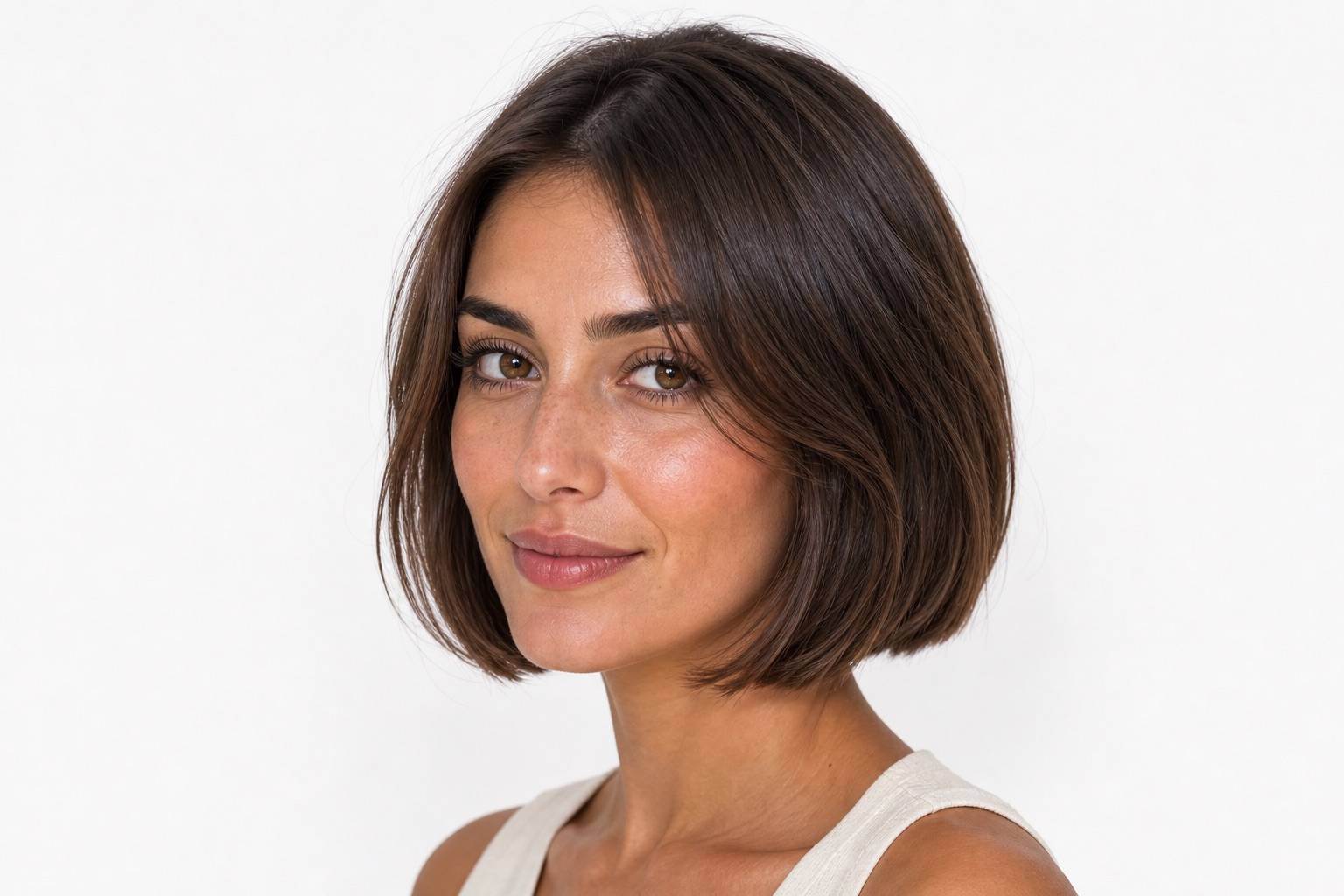
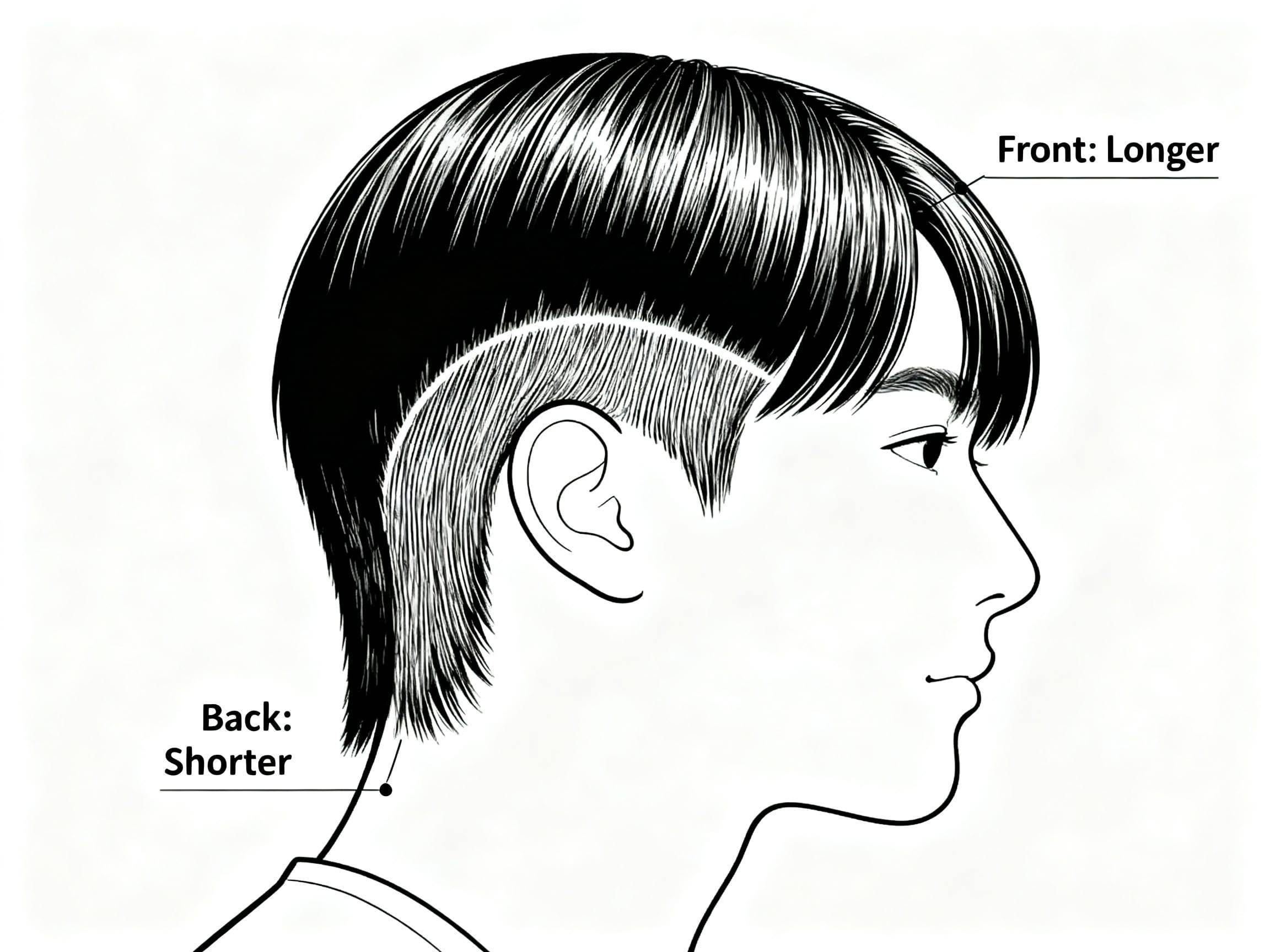
An angled haircut is shorter in one area and longer in another, usually shorter in the back and longer toward the front. It can sharpen a bob, remove heaviness from long hair, or make face-framing pieces feel more intentional. The cut is useful, but only when the angle fits your hair texture and daily styling routine.
If you are choosing between an A-line bob, angled layers, or a long V-shape, preview the shape in HairWow Try-On first. The difference between "subtle" and "too steep" can be only an inch or two.
Key Takeaways
- Angled haircuts create shape by changing length from back to front, side to side, or crown to ends.
- A-line and inverted bobs show the angle most clearly.
- Long angled layers are safer if you want movement without losing much length.
- Curly hair needs a softer angle because shrinkage can make the front pieces jump up.
- Ask your stylist how the cut will look air-dried, not only blown out.
An angled haircut uses a planned length slope to change the outline of the hair, frame the face, or remove weight.
Which Angled Cut Fits You?
| Angled style | Best for | Ask for |
|---|---|---|
| Subtle A-line bob | Fine to medium hair, clean shape, low drama | Slightly shorter back, longer front, soft perimeter |
| Inverted bob | Thick hair, strong profile, visible angle | Graduated back, longer front, remove bulk carefully |
| Angled lob | Shoulder-length change without going short | Collarbone front, shorter back, blended layers |
| Long angled layers | Long hair that feels heavy | Face-framing angle, keep length through the back |
| V-cut or U-cut | Long thick hair, ponytail-friendly shape | Shaped back line, not short face pieces |
| Curly angled cut | Curls needing shape and lift | Dry-shape the angle, account for shrinkage |
Face Shape and Texture Notes
For a round face, a longer front angle can create a slimmer vertical line. For a square jaw, softer front pieces can reduce harshness without hiding the face. For a long face, keep the angle moderate so the front does not drag the eye downward. For a heart-shaped face, avoid very short layers at the cheekbone unless you want more width there.
Straight hair shows the geometry, so uneven cutting is obvious. Wavy hair is forgiving and often makes angled layers look natural. Curly hair needs more caution because wet length is not the final length. Fine hair can look fuller with a blunt angled baseline, while thick hair may need internal weight removal.
Use HairWow's face-shape guide if you are deciding whether the longest pieces should sit at the chin, collarbone, or below the shoulders.
Stylist Brief You Can Copy
For a bob or lob:
"I want a soft angled lob, shorter in the back and longer near the collarbone in front. Keep the angle visible but not dramatic, and make sure it still works when air-dried."
For long hair:
"Keep my overall length, add angled face-framing pieces, and blend the layers so the shortest front pieces can still go behind my ear."
That last detail matters. Many unhappy angled cuts come from front pieces that were cut too short for the person's real routine.

Maintenance
Sharper bobs need trims sooner because the angle loses its line as the back grows. Long angled layers are more forgiving. Plan roughly six to eight weeks for short angled cuts and eight to twelve weeks for long layered versions.
If frizz or dry ends hide the shape, run Hair Analyze and fix the care routine before cutting a more precise angle. A geometric cut looks better when the ends are healthy enough to show the line.
FAQ
Is an angled haircut the same as an A-line bob?
No. An A-line bob is one type of angled haircut. Angled haircuts can also include lobs, long layers, V-cuts, U-cuts, and face-framing pieces.
Are angled haircuts good for fine hair?
They can be. A soft angled bob can make fine hair look cleaner and fuller. Avoid too many layers, because heavy thinning can make fine hair look wispy.
Will an angled cut work on curly hair?
Yes, but the angle should be planned around shrinkage. Ask for curl-aware shaping and avoid judging the final length while the hair is wet.
Summary
An angled haircut is a shape decision. Pick the type of angle, check how it works with your texture, and tell the stylist where the shortest and longest pieces should land. Previewing the shape first helps you avoid a cut that looks good in a reference photo but awkward in your daily routine.