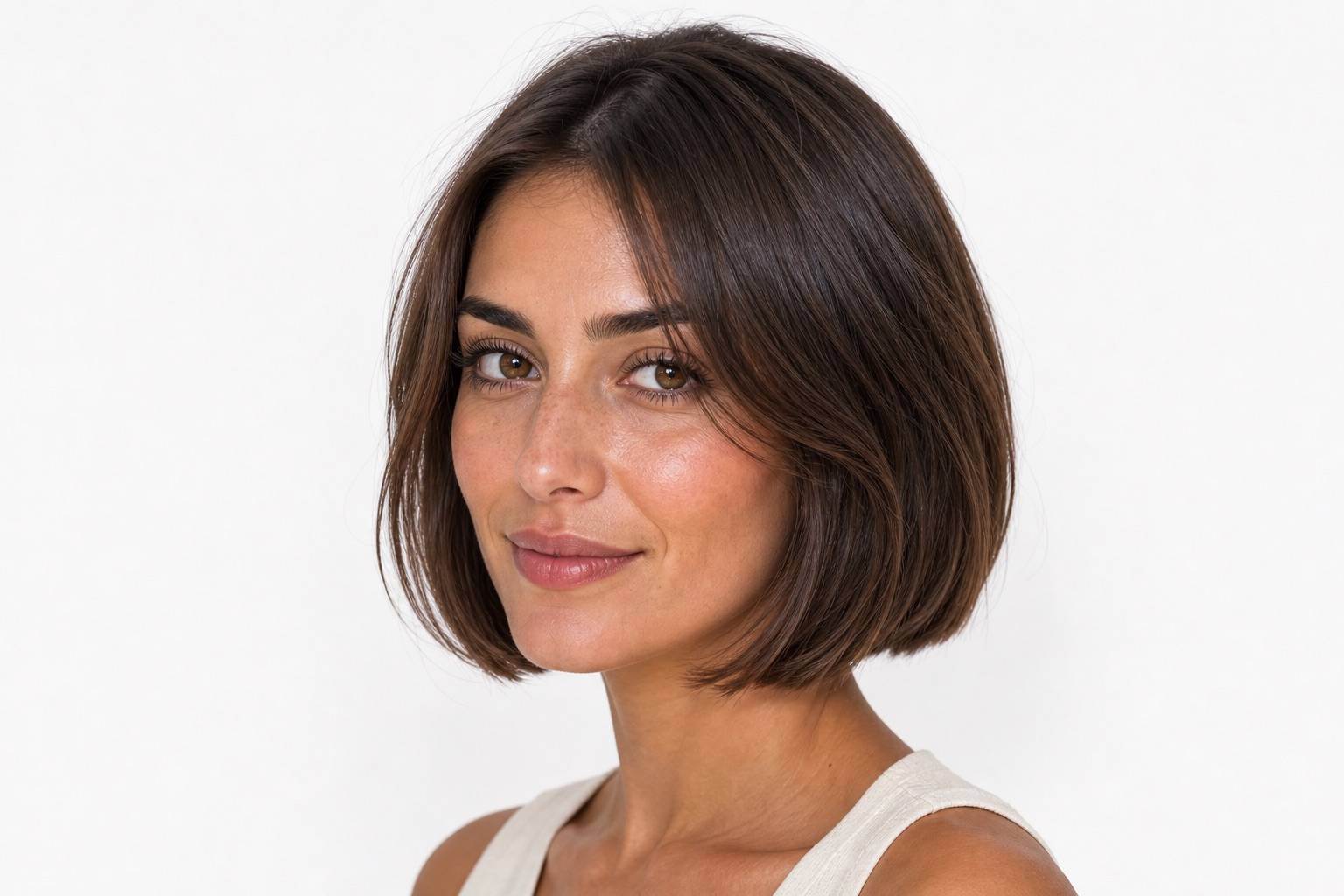
The Ultimate Guide to Front Plaits: Your Secret Weapon for Effortless Style
Discover how front plaits can transform your look, offering versatility and keeping hair out of your face with ease.

· 4 min read
On this page
Tired of your fringe falling flat, or feeling stuck in a styling rut? What if one simple braid could transform your whole look, keeping your hair out of your face while adding a touch of elegance or edge? That's the magic of the front plait.
What Exactly Is a Front Plait, Anyway?
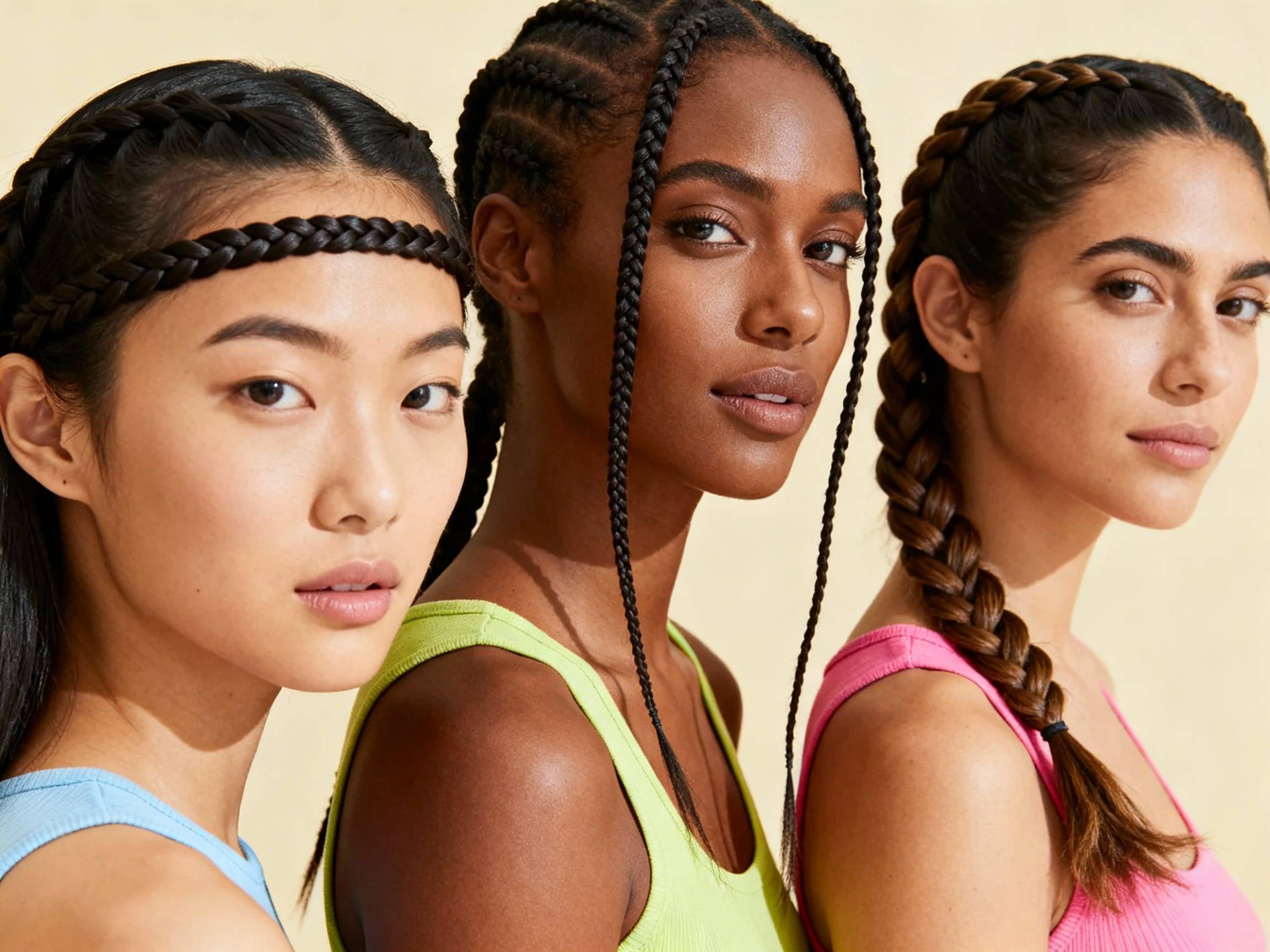
A "front plait" is really an umbrella term for any braiding style that runs along or near your hairline, often framing your face. This can include anything from a delicate French braid starting at your temple to a bold Dutch braid that sweeps across your forehead, or even a simple three-strand braid that pins back a section of your hair. You might also see variations like fishtail plaits or subtle waterfall braids incorporated into front styles. The beauty is in its versatility!
Why Are Front Plaits So Popular Right Now?
Front plaits are having a major moment, and for good reason. They offer an incredible blend of practicality and style. They're fantastic for keeping hair out of your eyes, especially on windy days or when you're active. They can instantly soften your features, add a romantic touch, or give your look an edgy vibe depending on the style you choose. Plus, once you get the hang of them, many front plait styles are surprisingly quick and easy to do, making them perfect for those "I-woke-up-like-this-but-better" days.
Can Anyone Rock a Front Plait? (Yes, and Here's How to Find Your Perfect Match!)
Absolutely, anyone can wear a front plait! The key is finding the style that best suits your hair type, face shape, and the occasion. For instance, a thick, textured Dutch braid can add volume to fine hair, while a looser French braid might complement thicker, wavier strands. The placement and thickness of the braid can also flatter different face shapes – a side-swept plait can soften a strong jawline, whereas a more central braid might highlight symmetrical features.
Before you even pick up a comb, imagine trying different front braid styles virtually. HairWow lets you see how a delicate French braid, a bold Dutch braid, or even a subtle waterfall plait would look on your face, complete with natural hairlines and strand detail. This way, you can 'try on' several options to find what truly complements your features and existing hairstyle without any commitment. It’s like having a personal stylist in your pocket, helping you choose with confidence!
How Do You Actually Braid the Front of Your Hair? (Step-by-Step for Beginners)
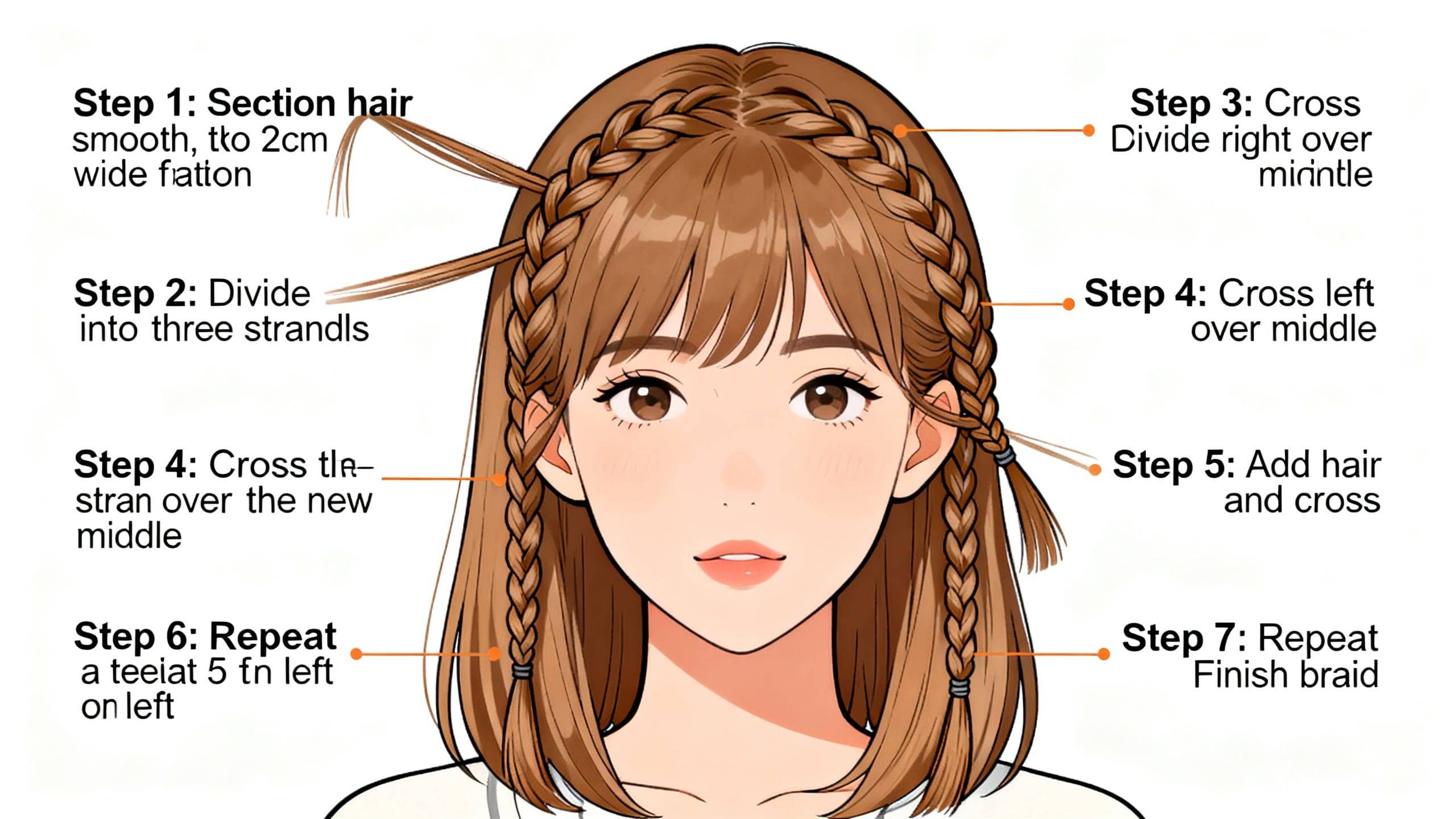
Let's break down a simple three-strand front braid, perfect for beginners:
- Sectioning is Key: Start with a small, clean section of hair near your part or temple. The smaller the section, the more intricate and secure your braid will be.
- The First Cross: Divide this initial section into three equal strands. Cross the right strand over the middle strand. Then, cross the left strand over the new middle strand.
- Adding Hair (French Braid Style): Now, before you cross the right strand over again, pick up a small, new section of loose hair from alongside your hairline and add it to your right strand. Then, cross the combined right strand over the middle.
- Repeat on the Left: Do the same on the left side: pick up a small section of loose hair, add it to your left strand, and then cross the combined left strand over the new middle.
- Continue Braiding: Keep repeating steps 3 and 4, adding small sections of hair from your hairline as you go, until you've braided as far as you want.
- Secure It: Finish with a regular three-strand braid for a few inches, then secure it with a small, clear elastic. You can then pin it back or let it hang.
Troubleshooting Common Front Plait Problems
Even seasoned braiders run into snags sometimes. Here are solutions to common dilemmas:
- "My braid keeps falling out!" This often happens if sections are too large or you're not adding enough hair with each cross. Try using smaller, tighter sections. Second-day hair with a little natural grit often holds braids better than freshly washed, slippery hair. A light spritz of hairspray before and after can also help.
- "It looks messy!" Practice makes perfect with even tension. Ensure you're pulling each section consistently. Clear elastics disappear into your hair, making the finish look cleaner. You can also gently tug at the loops of the braid once secured to create a more "undone" yet intentional messy look.
- "My hair is too short/slippery!" Don't despair! For shorter hair, try smaller, tighter braids and secure them well with bobby pins. Texturizing spray or dry shampoo can add grip to slippery strands, making them easier to braid and hold.
Beyond styling, maintaining healthy hair is key for any braid to look its best. If you're struggling with frizz, dryness, or damage that makes braiding difficult, HairWow's exclusive Hair-Care Report can provide clear guidance and simple routines tailored to your specific issues, ensuring your hair is in prime condition for any style you choose.
Don't be intimidated – the front plait is your secret weapon for quick style. Start small, practice often, and remember that even a slightly 'undone' braid has its own charm. What front plait will you try first?