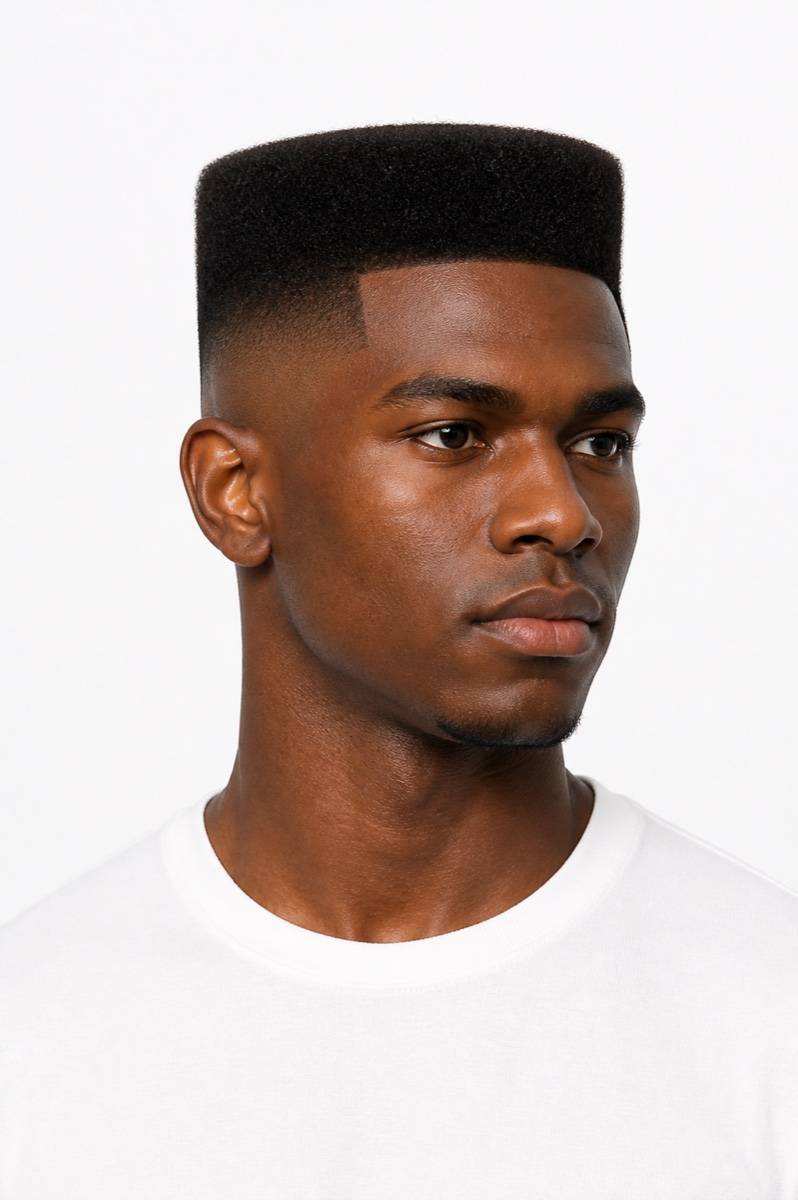
Eighties Men’s Hairstyles: 8 Cuts That Still Work Today
Compare eight wearable 80s men’s hairstyles by face shape, hair texture, styling effort, and barber wording before you commit to the cut.

· 16 min read
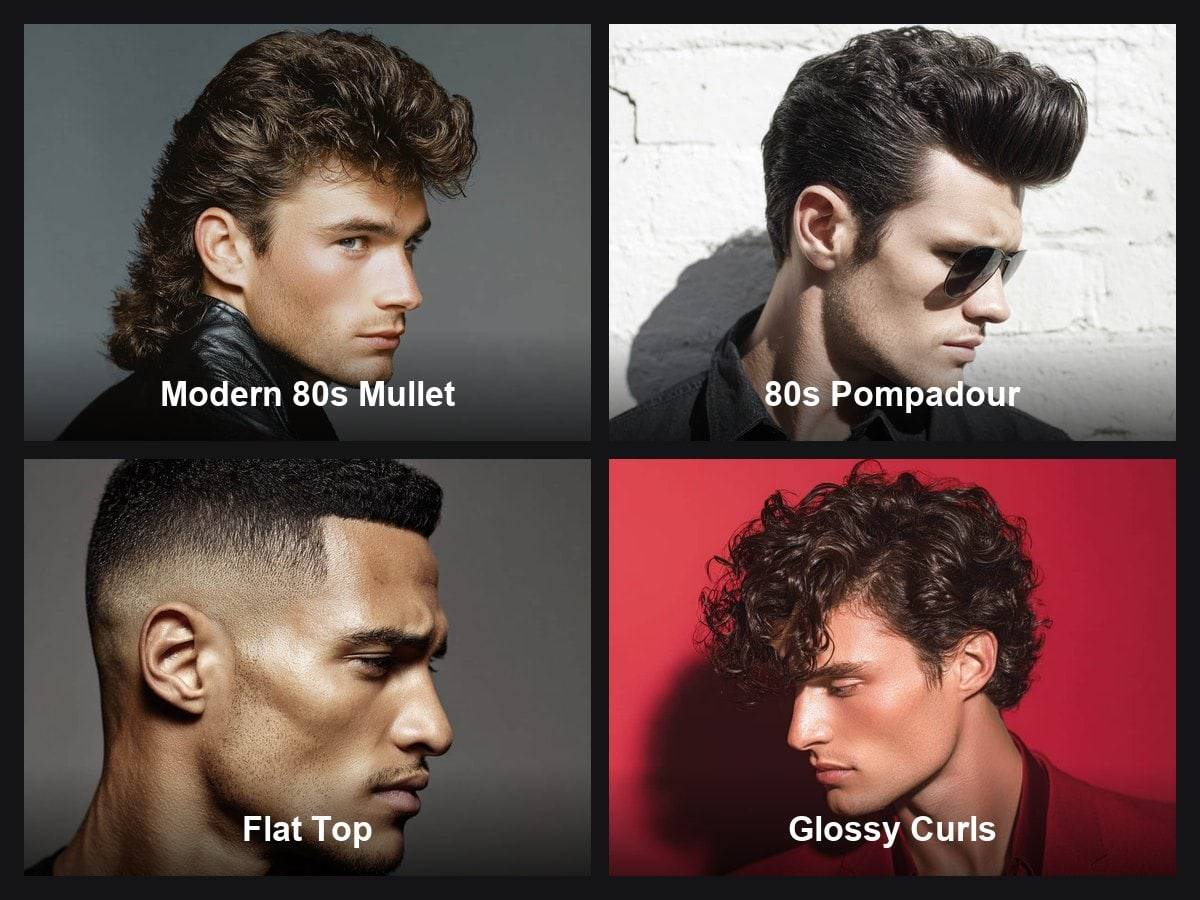
On this page
Eighties men’s hairstyles are back because they do something modern haircuts often avoid: they create a clear shape. The decade loved height, shine, movement, square edges, long backs, feathered sides, and dramatic contrast. Worn exactly as they were in 1985, some of those looks can feel like costume hair. Adjusted with cleaner tapers, lighter products, and better proportions, they can look sharp now.
The short answer: the most wearable 80s men’s hairstyles today are the modern mullet, textured pompadour, flat top, feathered layers, glossy curls, high-top fade, rocker curly shag, and new wave bowl cut. Choose by face shape, hair density, natural texture, and how much styling time you actually want each morning. If you are unsure, preview the outline in HairWow hairstyle try-on before asking your barber to cut in the shape.
Key Takeaways
- The modern version of an 80s cut should keep the silhouette, not the stiff finish.
- Round faces usually benefit from height, so pompadours, flat tops, and high-top fades can work well.
- Long faces usually need side movement or lower height, so feathered layers, glossy curls, and shags are safer.
- Thick or coarse hair can hold stronger shapes, but it still needs weight control.
- Fine hair usually needs lighter products and cleaner edges instead of heavy layers.
- A photo reference is useful, but a barber brief should name length, fade height, texture, neckline, and daily styling limit.
- The first rule is proportion: a bold 80s cut should look intentional from the front, side, and back.
Which 80s Men’s Hairstyle Should You Choose?
Start with the shape, then decide how bold you want the cut to be.
| 80s hairstyle | Modern update | Best for | Watch out for |
|---|---|---|---|
| Modern 80s mullet | Cleaner taper, softer back movement | Straight to wavy hair, oval or square faces | Too much length at the nape can look accidental. |
| Textured pompadour | Lower lift, matte finish | Round, oval, and square faces | Very tall height can stretch a long face. |
| Flat top | Softer corners, clean fade | Dense, coarse, or coily hair | Needs regular barber maintenance to keep the plane crisp. |
| Feathered layers | Airy face framing, less bulk | Medium length straight or wavy hair | Too many short layers can thin the ends. |
| Glossy curls | Defined curl shape without crunch | Wavy to curly hair | Heavy product can flatten or flake. |
| High-top fade | Sculpted height with sharp sides | Dense, coarse, or coily hair | The top needs shape upkeep, not just side fades. |
| Rocker curly shag | Layered movement, controlled volume | Wavy or curly medium hair | Poor layering can create width in the wrong place. |
| New wave bowl cut | Textured fringe, tapered perimeter | Straight to thick hair | A blunt, heavy fringe can look too severe. |
1. Modern 80s Mullet
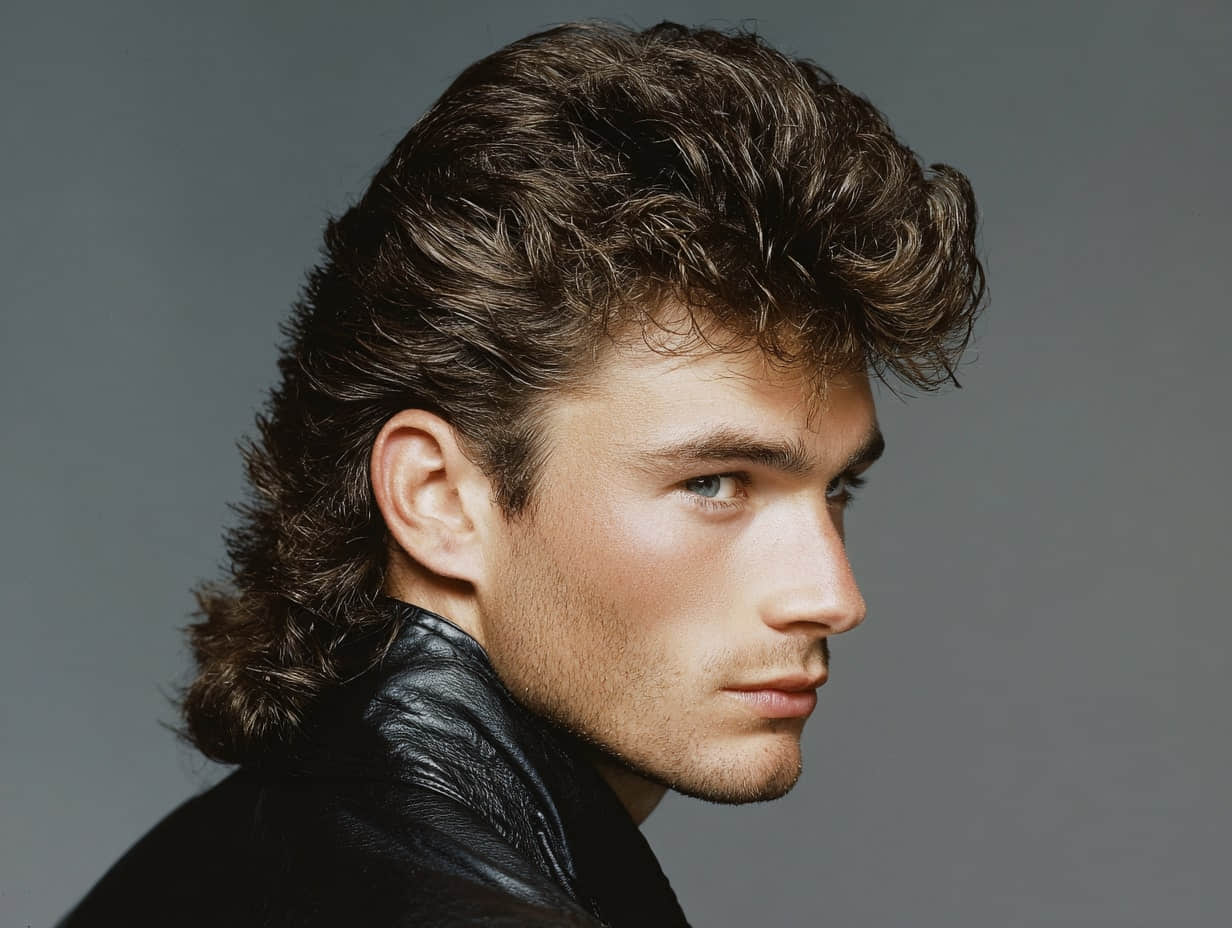
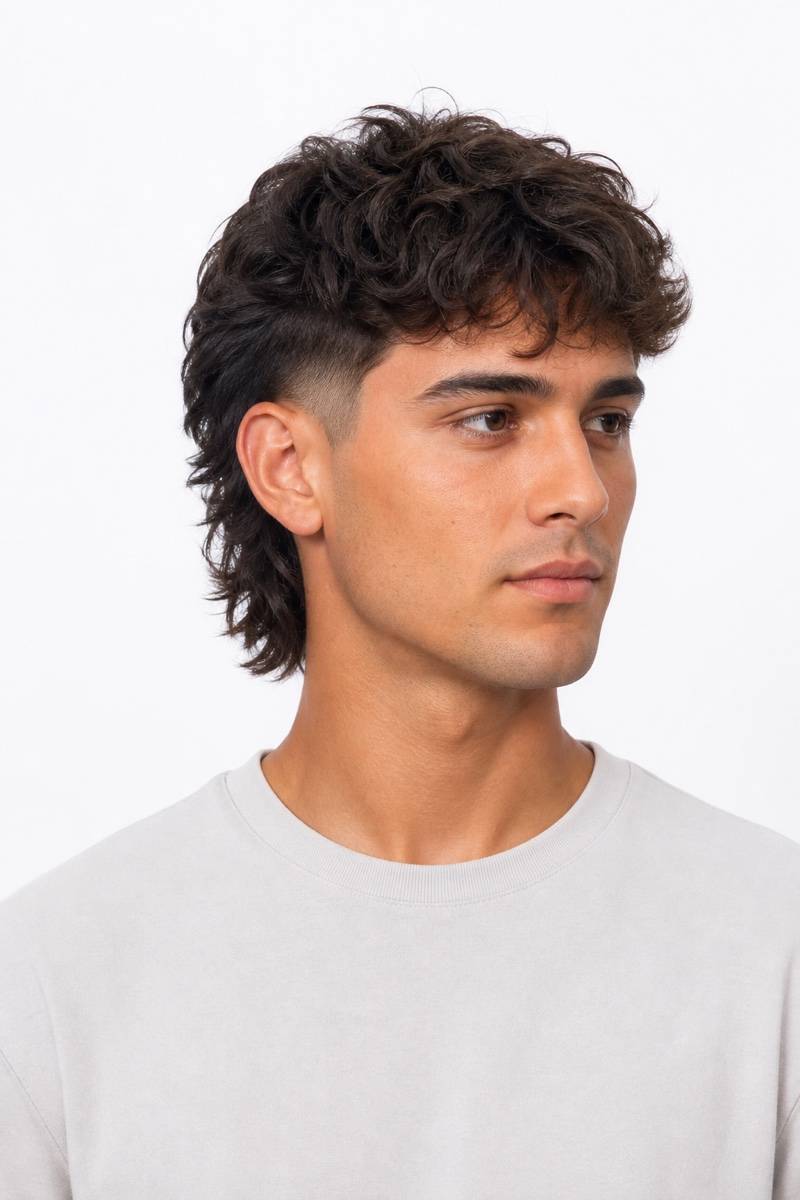
The modern 80s mullet keeps the attitude but cleans up the edges. The front and sides are neater than the old-school version, while the back still has enough length to create movement. It works when the cut looks deliberate from the side, not like a short haircut that simply grew out.
Ask your barber for a low or mid taper on the sides, textured length through the nape, and enough shape around the crown so the back does not collapse. If you want a safer version, keep the back just past the neckline. If you want a stronger retro look, leave more length behind the ears and through the nape.
Style it with sea-salt spray or light texture cream. Scrunch the back, add a small amount of matte paste at the front, and avoid a wet finish unless that is the exact look you want.
Best fit: oval, square, and heart-shaped faces; straight to wavy hair; people who want a visible change without a high-maintenance blowout.
2. Textured 80s Pompadour
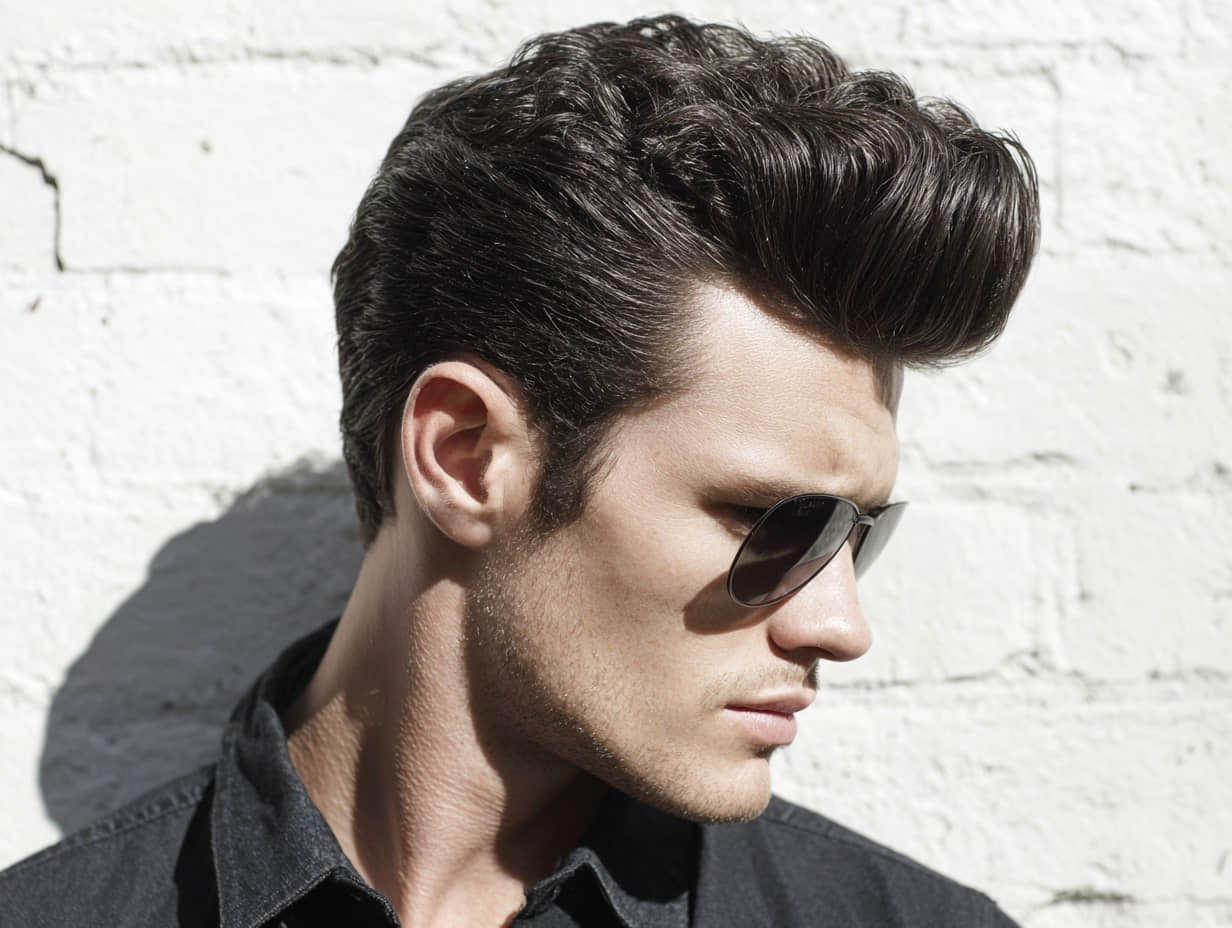
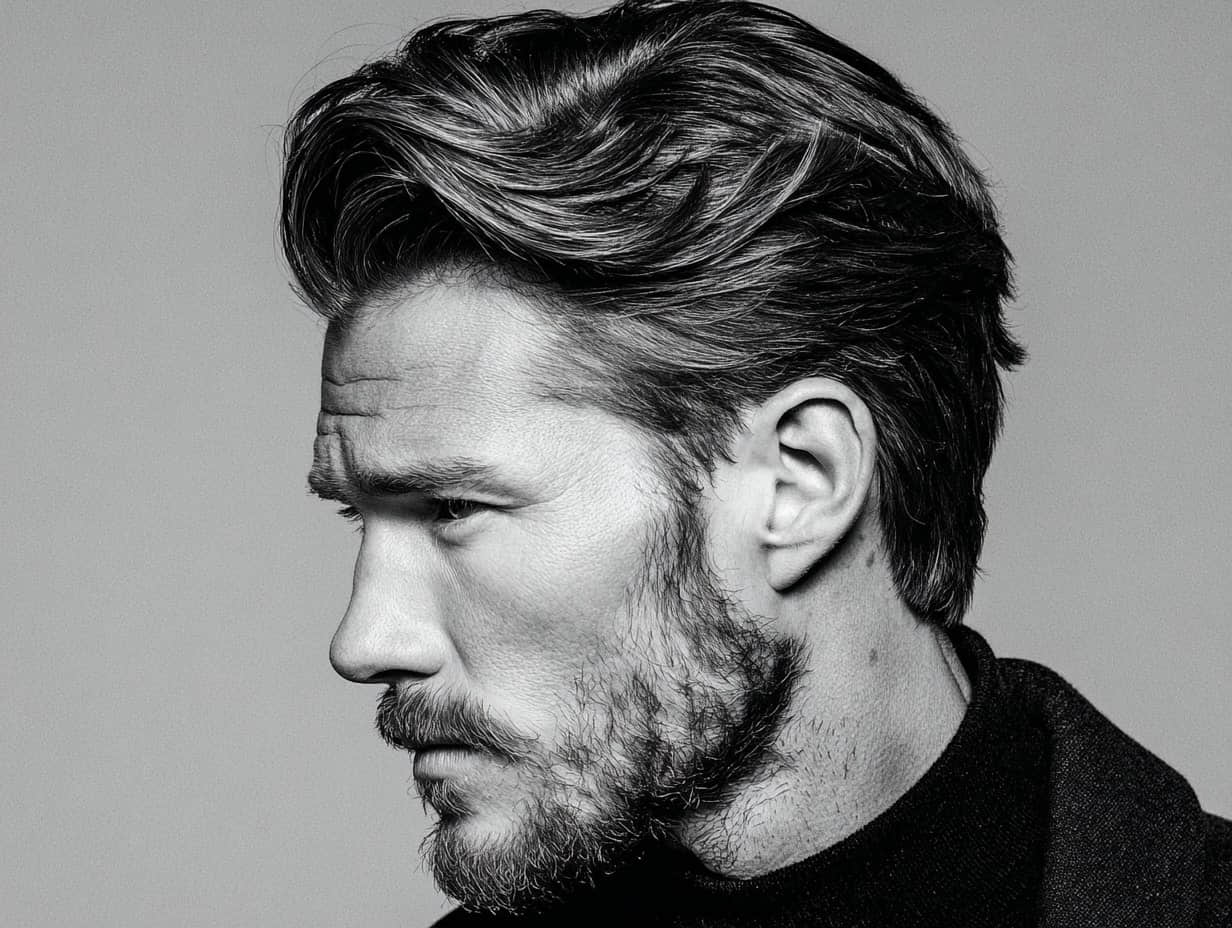
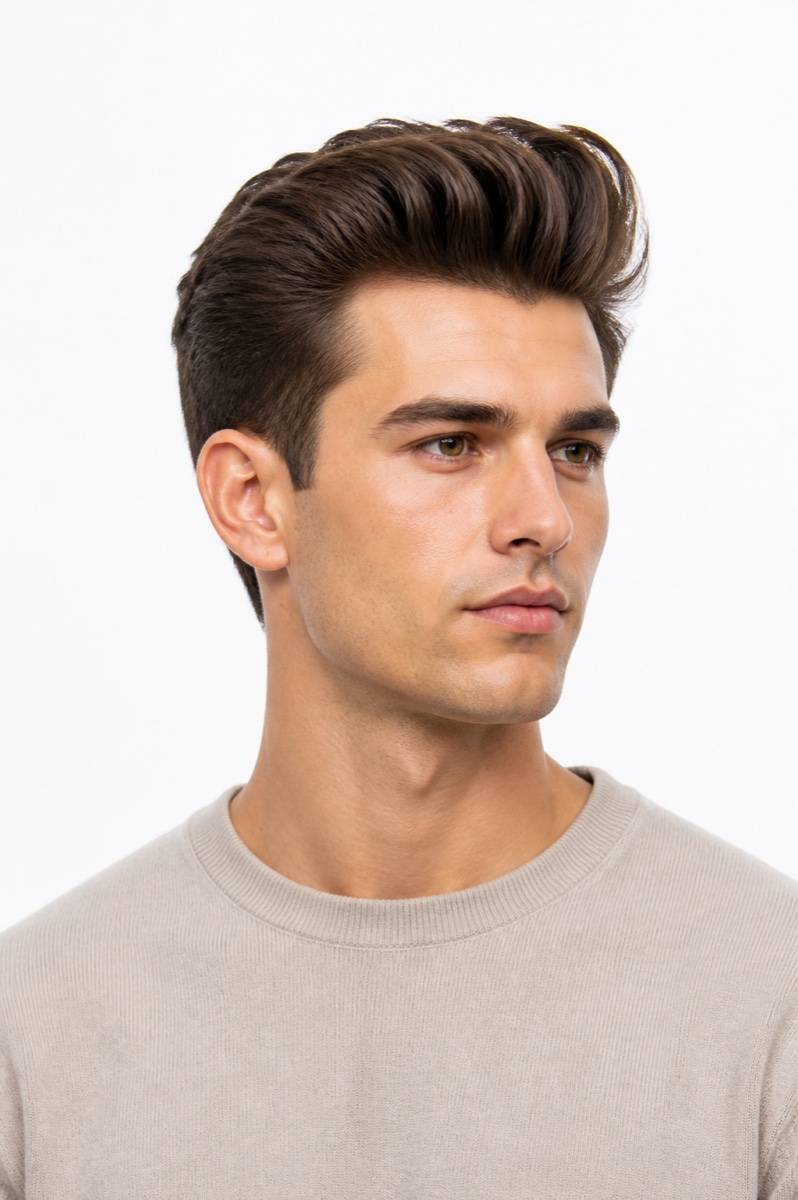
The 80s pompadour is about lift. The current version should look touchable, not shellacked. A little height at the front can balance a round face, sharpen the profile, and make a simple taper look more styled.
Ask for 2 to 3 inches on top, tapered or faded sides, and light internal shaping if your hair is dense. Tell your barber whether you want a clean business version or a looser rockabilly version. That affects how much length stays at the front.
Style it by blow-drying up and back with a vent brush or fingers. Use mousse or light styling cream first, then finish with a matte cream. Heavy gel can turn the pompadour into a hard helmet.
Best fit: round, oval, and square faces; straight to wavy hair; anyone comfortable using a blow dryer for two or three minutes.
3. Flat Top
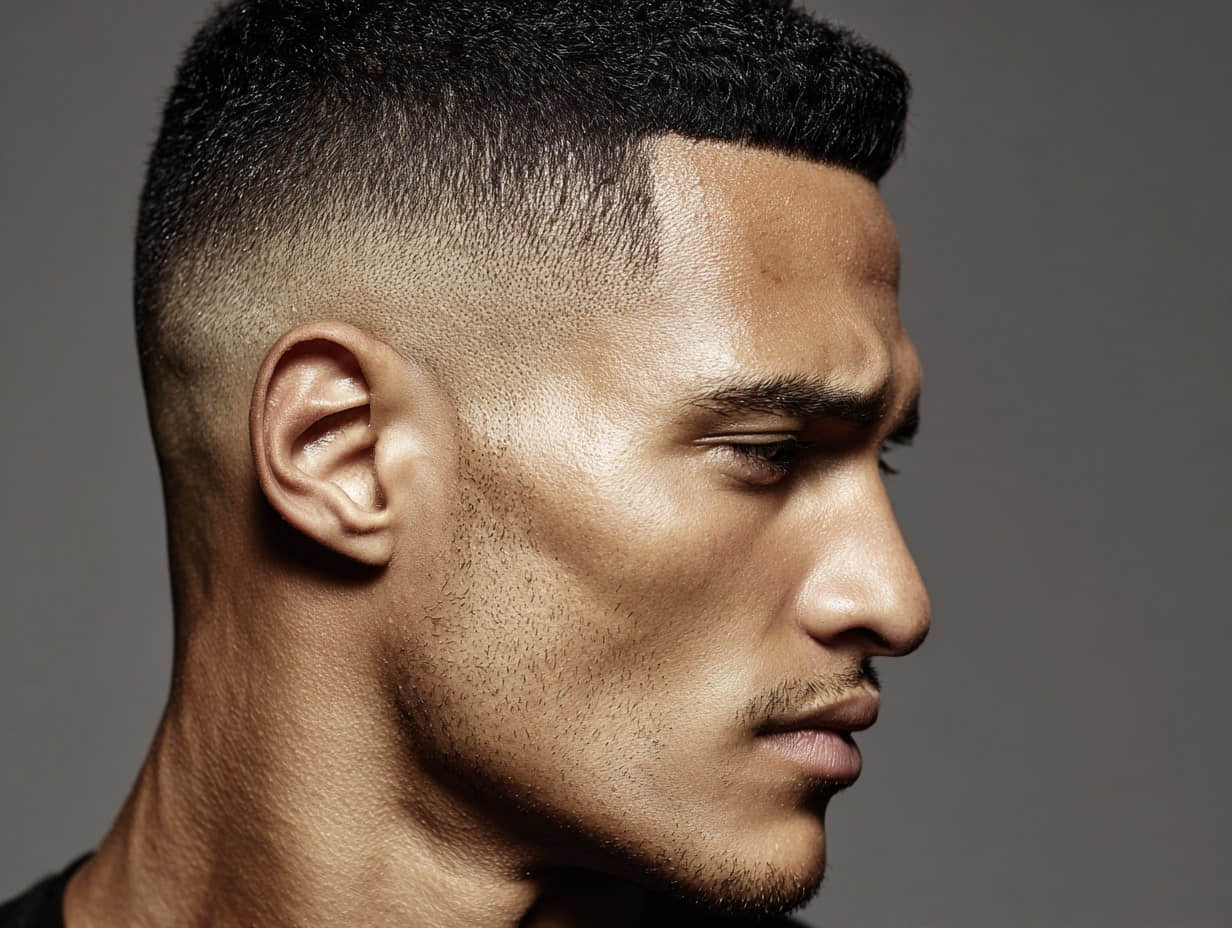
The flat top is the most geometric option on this list. It needs dense hair and a barber who understands shape. The top should form a plane, but the modern version can soften the corners slightly so the cut looks sharp without feeling rigid.
Ask for a mid or high fade, clipper-over-comb shaping on top, and a controlled front edge. If your face is long, keep the height moderate. If your face is round, a little more vertical structure can help.
Style it by drying the top upward and setting it with a firm but flexible product. The goal is structure, not shine. This cut also needs frequent trims. Once the top grows unevenly, the whole shape changes.
Best fit: dense, coarse, or coily hair; strong jawlines; people who like a crisp barbered finish.
4. Feathered Layers
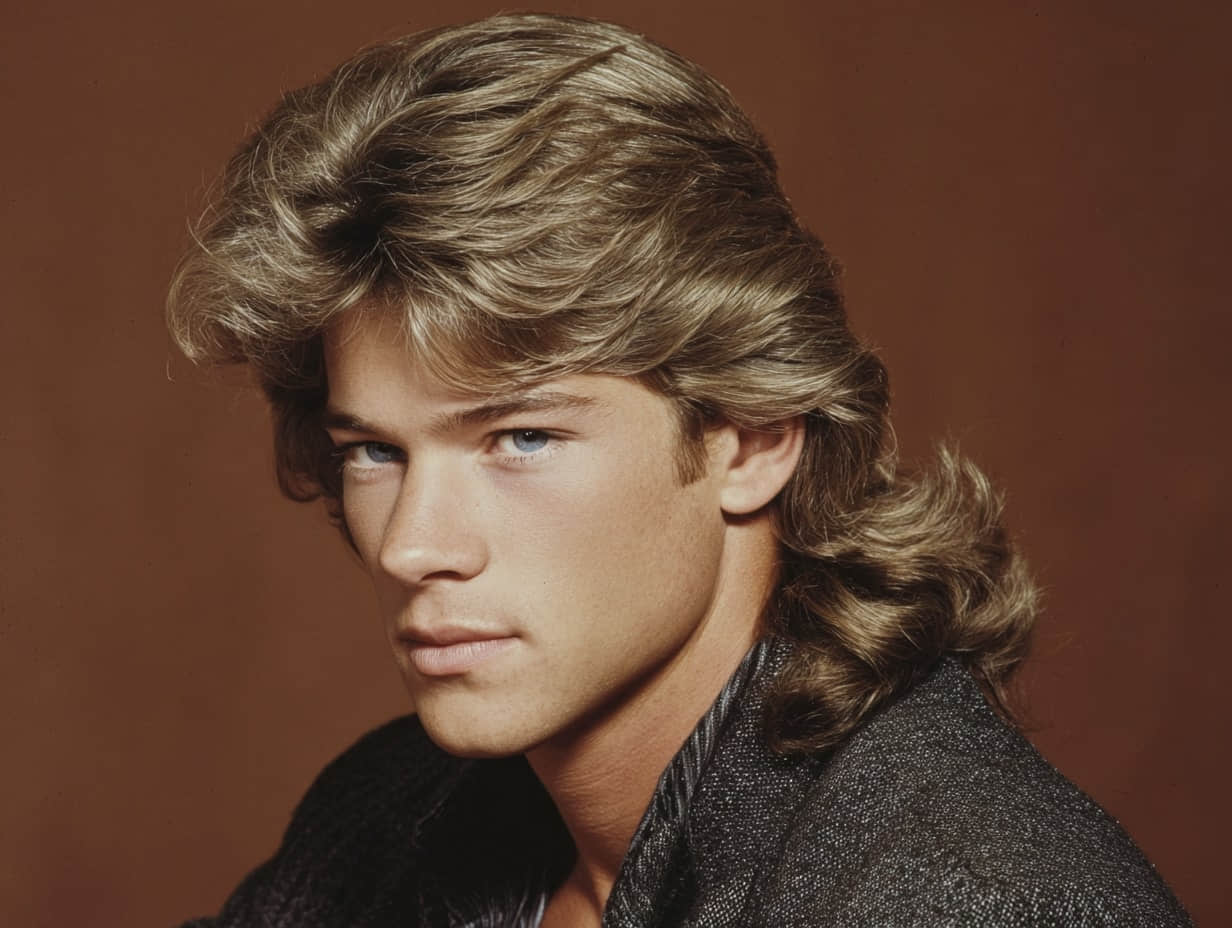
Feathered layers are the softer side of 80s men’s hair. Instead of hard geometry, the shape comes from movement around the face. It can work especially well if you already have medium-length hair and want a retro reference without going short.
Ask for medium length with long face-framing layers, a soft side or middle part, and ends that move away from the face. Avoid very short layers unless your hair is thick enough to support them. Fine hair can look stringy if the layering is too aggressive.
Style it by drying the front away from the face with a round brush or your fingers. Use a light cream or texture spray. The hair should move, not sit in fixed wings.
Best fit: oval, heart, and square faces; straight to wavy hair; people who prefer softer grooming.
5. Glossy Curls
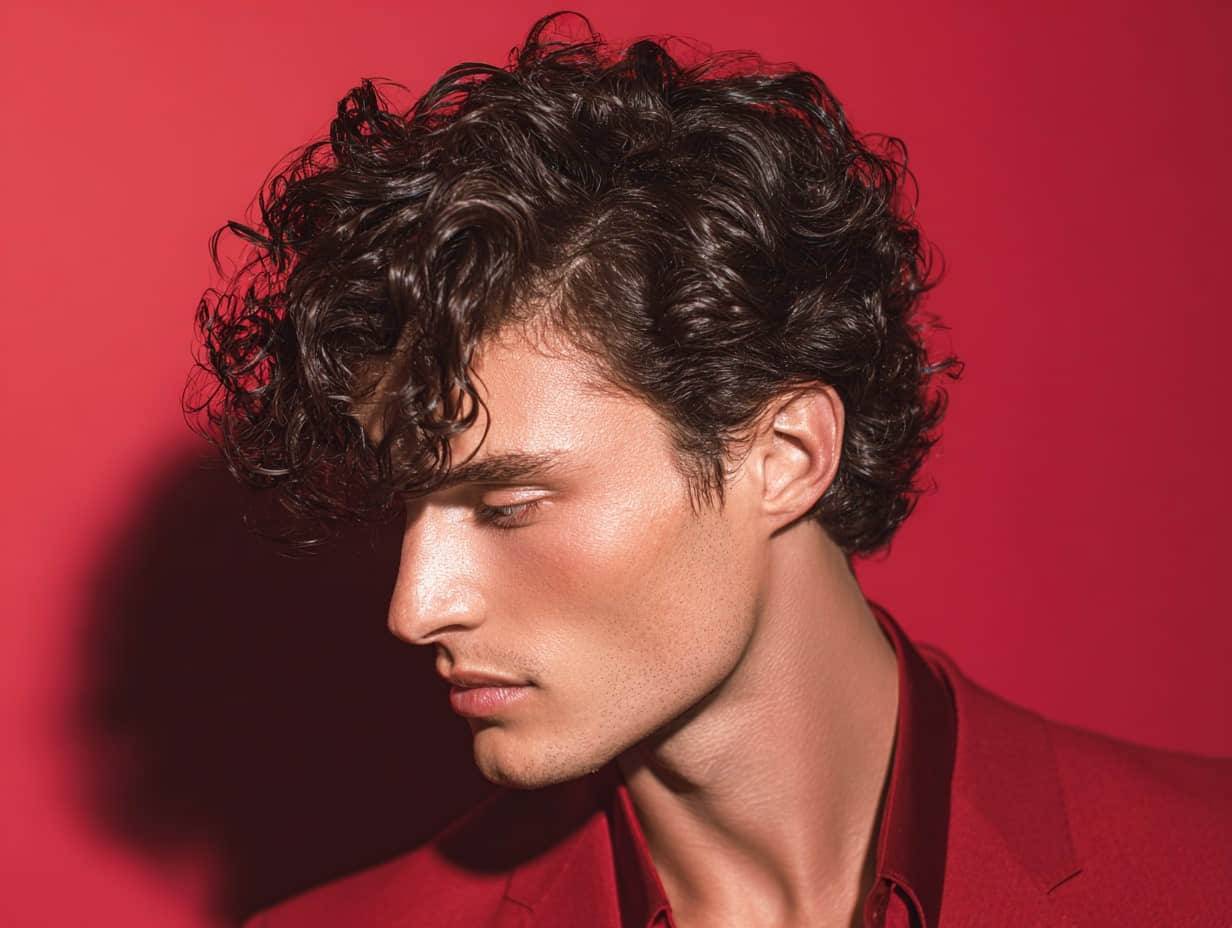
Glossy curls bring the 80s volume without the crunchy finish. The current version should look healthy and defined, with enough shape at the sides to keep the haircut from expanding into a triangle.
Ask for medium length on top, a low taper or soft side cleanup, and curl-aware shaping. If your curl pattern shrinks a lot, talk about the dry shape, not just the wet length. The finished cut should have room for curl formation.
Style it with curl cream on wet hair, then add a small amount of gel if you need hold. Diffuse on low or air-dry, then scrunch out any cast. The American Academy of Dermatology recommends avoiding excessive heat and rough handling because those habits can contribute to breakage, which matters when curls are the main feature of the style.
Best fit: wavy to curly hair; most face shapes when length is adjusted correctly; anyone who wants volume with a softer edge.
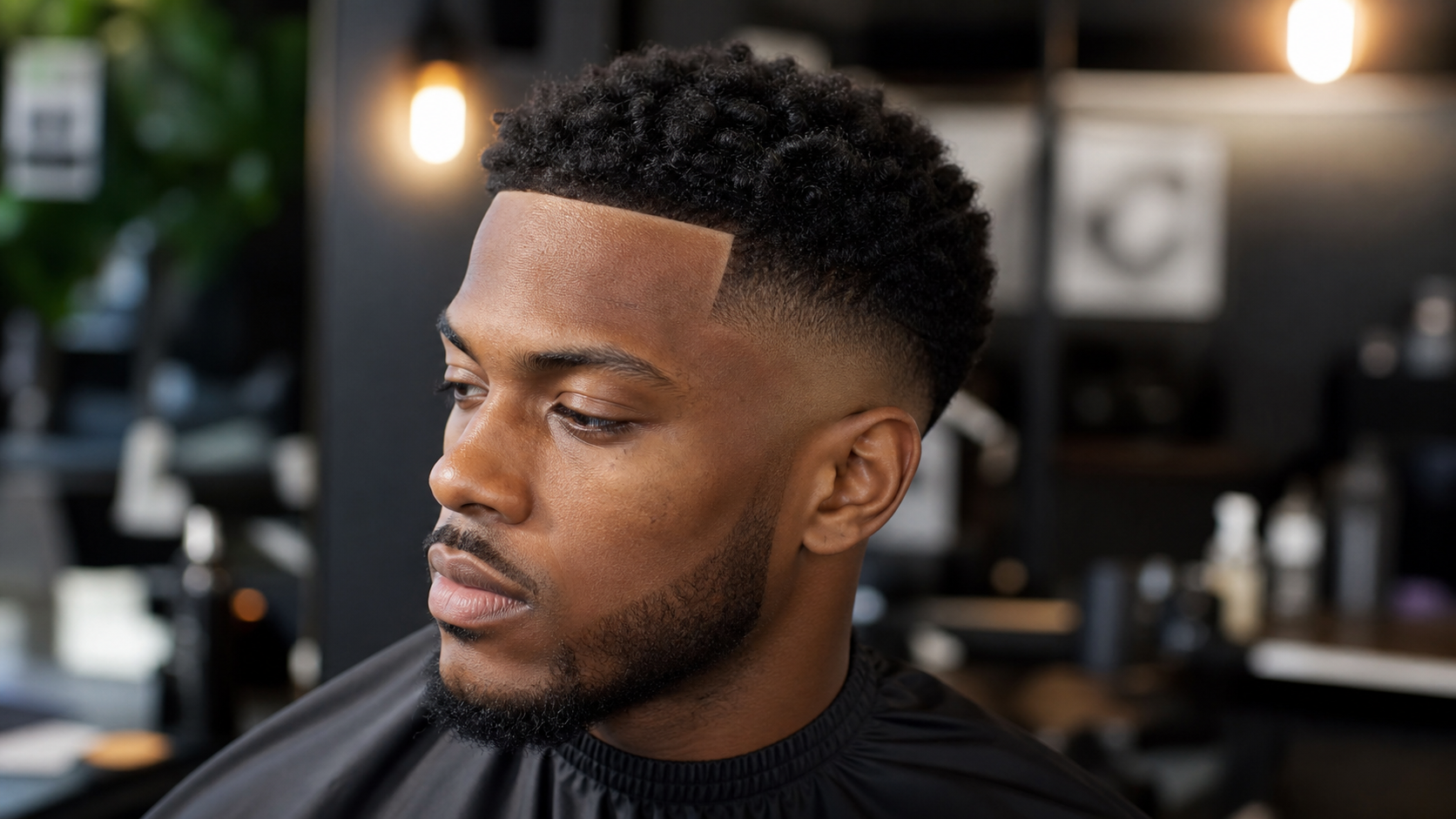
6. High-Top Fade
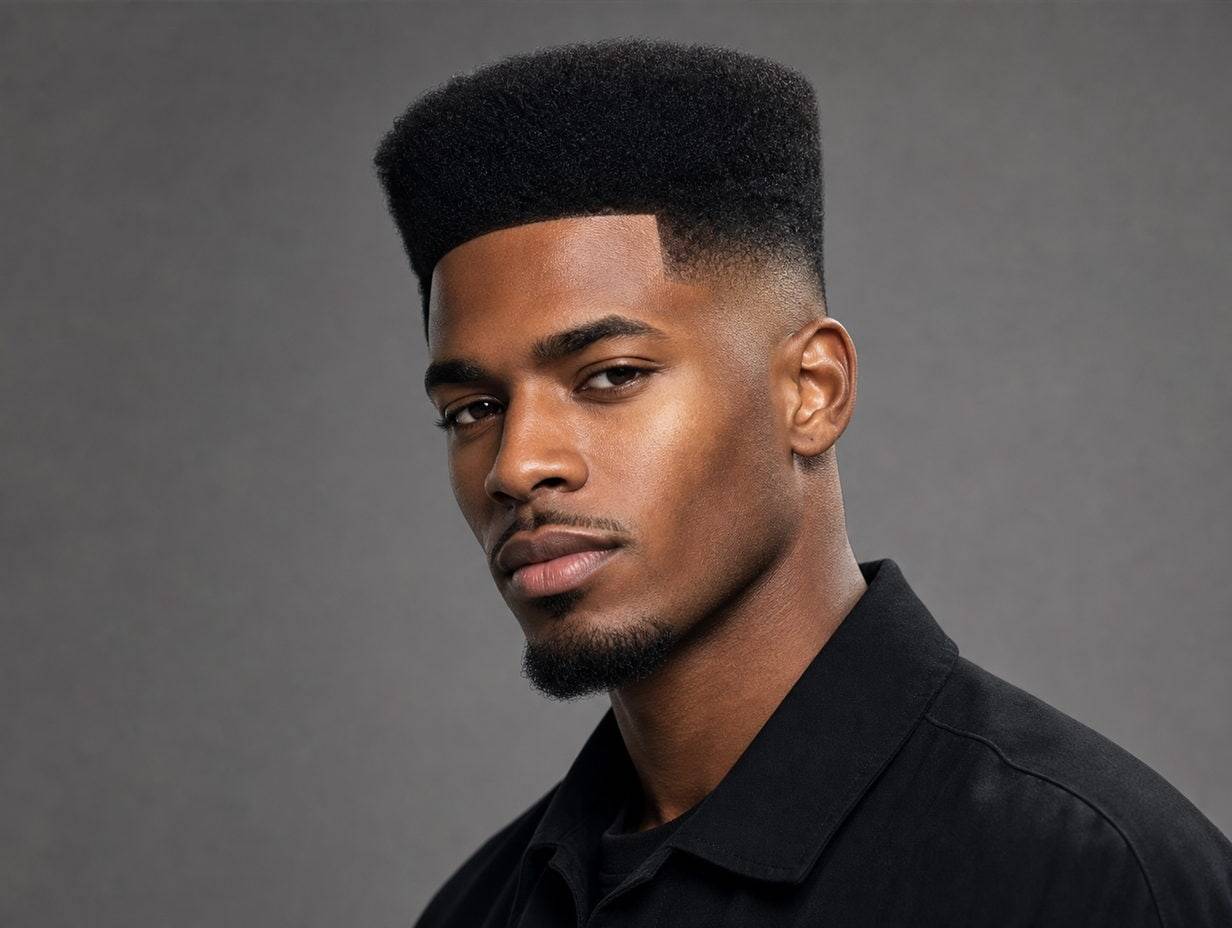
The high-top fade is a true 80s signature. The sides are clean, the top is structured, and the silhouette is instantly recognizable. Today, it works best when the shape is customized to the face instead of copied as one fixed block.
Ask your barber for a high-top shape with balanced height through the crown, a clean fade, and a front line that suits your hairline. The top can be squared, rounded, or slightly softened. If your face is long, keep the top lower or let the sides carry a bit more shape.
Style it by lifting the top gently with a pick or sponge depending on texture, then using a light cream for control. Do not over-compress the top with heavy product.
Best fit: dense, coarse, or coily hair; oval, square, and round faces; people who want a strong barbered silhouette.
7. Rocker Curly Shag
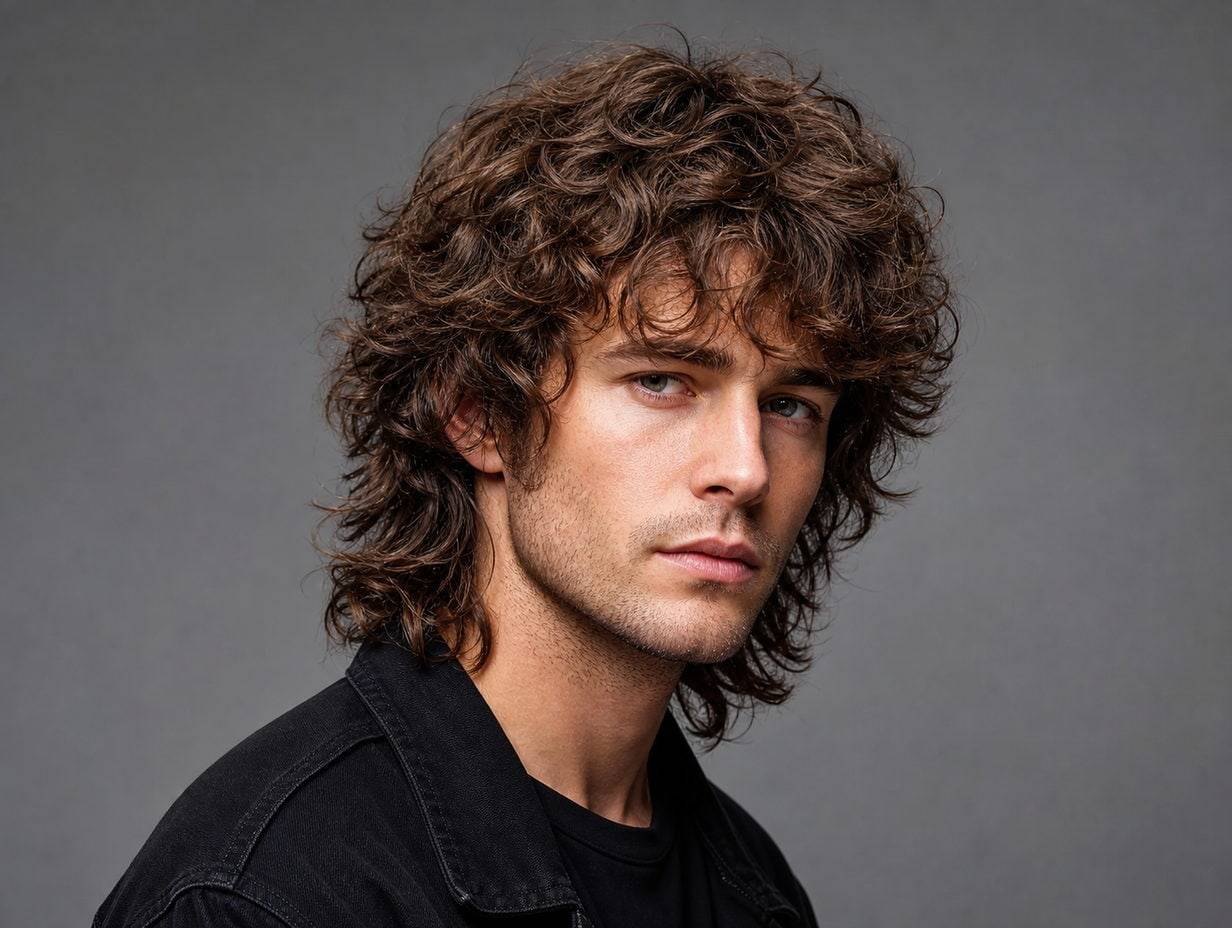
The rocker curly shag is layered, loose, and expressive. It borrows the volume of 80s band hair but works better now when the perimeter is shaped and the front pieces are intentional.
Ask for medium shag layers, weight left around the crown, soft face framing, and enough length for natural curl or wave movement. Tell your barber or stylist that you want shape, not random thinning. Removing the wrong weight can make curls frizz instead of fall.
Style it with curl cream or texture cream on damp hair. Diffuse lightly, then separate the front pieces with your fingers. A tiny amount of paste can help the fringe sit where you want it.
Best fit: wavy to curly medium hair; oval, long, and square faces; people who want movement more than polish.
8. New Wave Bowl Cut
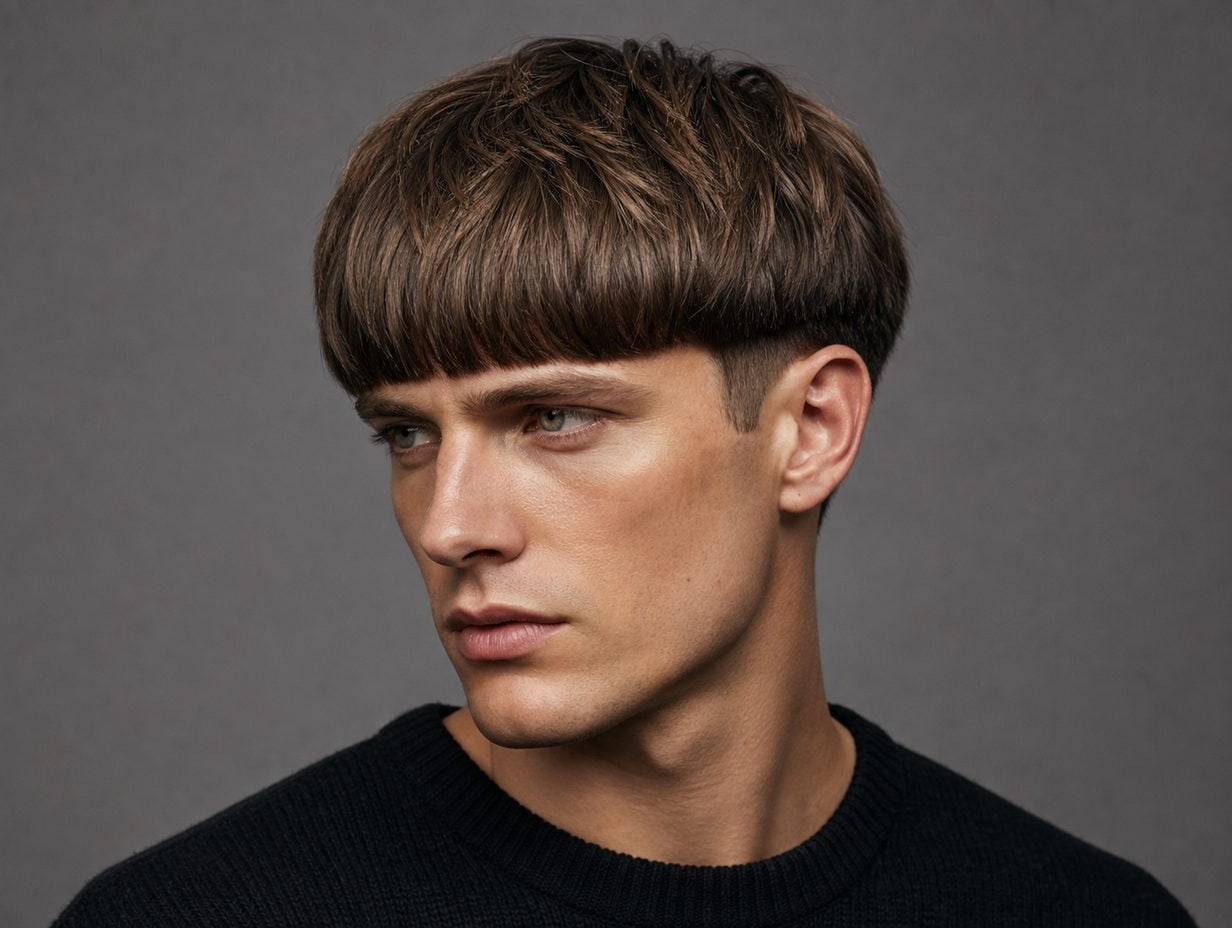
The new wave bowl cut is graphic, but it does not have to look childish. The modern version uses texture, tapering, and a controlled fringe so the line feels designed rather than heavy.
Ask for a rounded fringe, internal texture, a tapered neckline, and softer weight around the ears. If you want a bolder version, keep the perimeter more obvious. If you want it safer, ask for a textured crop-bowl hybrid.
Style it by drying the fringe forward with low heat and separating the ends with a small amount of paste. Keep the sides clean so the shape does not become bulky.
Best fit: straight to thick hair; oval, long, and angular faces; people who like a more editorial cut.
Face Shape Guide
Face-shape advice is a starting point, not a rule. Use it to decide where the haircut should add height, width, softness, or structure.
| Face shape | Strong 80s options | Why it works | Adjustment to request |
|---|---|---|---|
| Round | Pompadour, flat top, high-top fade | Height can visually lengthen the face | Keep the sides clean and avoid wide side volume. |
| Square | Modern mullet, feathered layers, rocker shag | Movement softens the jaw without hiding it | Avoid overly boxy corners unless you want a very strong look. |
| Oval | Any of the eight | Balanced proportions can handle most silhouettes | Choose by texture, maintenance, and personal style. |
| Long | Feathered layers, glossy curls, rocker shag, bowl cut | Side movement balances vertical length | Avoid extreme height unless the sides have enough shape. |
| Heart | Feathered layers, modern mullet, glossy curls | Softer lower-face movement balances the forehead | Keep the fringe or front pieces from becoming too heavy. |
| Diamond | Glossy curls, rocker shag, textured bowl cut | Texture softens cheekbone width | Avoid hard weight right at the cheekbones. |
Hair Texture and Maintenance
Your natural texture should decide the final version more than the inspiration photo.
| Hair type | Best options | Product direction | Maintenance |
|---|---|---|---|
| Fine straight hair | Pompadour, feathered layers, textured bowl cut | Mousse, light texture spray, small amount of paste | Avoid heavy creams and too many layers. |
| Thick straight hair | Flat top, bowl cut, modern mullet | Matte cream, paste, controlled debulking | Needs regular shaping so the perimeter does not puff out. |
| Wavy hair | Mullet, feathered layers, rocker shag | Salt spray, curl cream, lightweight gel | Let the wave pattern guide the layers. |
| Curly hair | Glossy curls, rocker shag | Curl cream, gel, diffuser or air-dry | Cut with shrinkage and dry shape in mind. |
| Coily hair | High-top fade, flat top | Moisturizing cream, pick, sponge where appropriate | Keep both top shape and fade schedule consistent. |
Cleveland Clinic explains that scalp hair grows about 1 centimeter per month, so a very short or highly shaped cut can take time to correct if the outline is wrong. Previewing the shape first is useful because the side profile, back length, and fringe line are the details people often misjudge.
What to Tell Your Barber
Bring one or two reference photos, but also bring words. A strong 80s-inspired brief should explain the modern update you want.
Try this:
I want an 80s-inspired haircut that still feels current. Keep the silhouette recognizable, but avoid a stiff or costume-like finish. I want [height / back length / curls / fringe] to be the main feature, with clean sides and styling that takes about [five / ten] minutes.
Then add one of these details:
- "For a mullet, keep the back textured and intentional, not stringy."
- "For a pompadour, keep the front lifted but not too tall."
- "For a flat top or high-top, soften the corners slightly if it looks too severe."
- "For feathered layers, keep the face framing long enough to move."
- "For curls or shag, shape the cut for my dry texture."
- "For a bowl cut, taper the neckline and add texture through the fringe."
If your barber repeats the brief back in their own words, you are less likely to get a generic fade with a retro label.
How to Preview the Cut in HairWow
Bold shapes are all about proportion, and proportion is hard to guess from a celebrity photo. Use HairWow to compare the outline on your own face before the appointment.
- Upload a clear front-facing photo.
- Try the modern 80s mullet and pompadour first to compare back length versus height.
- Try the flat top or high-top fade if you want a stronger barbered outline.
- Try feathered layers, glossy curls, or rocker shag if you want movement.
- Save the best preview and bring it to your barber with the notes above.
Use the preview as a communication tool, not a technical haircut diagram. Your barber still needs to adjust the cut for growth pattern, density, curl shrinkage, cowlicks, and your hairline.
Styling Without Damaging the Hair
Many 80s looks were built with high heat and strong hold. You can get the shape without treating your hair that aggressively.
Use the lowest heat that still gets the job done. Let hair air-dry partway before blow-drying. Apply product in small amounts, then add more only if needed. If you are defining curls, avoid rough towel drying and use a leave-in or curl cream before gel. If you are building height, focus on root lift first rather than coating the whole head in product.
The American Academy of Dermatology recommends gentle handling, heat awareness, and avoiding habits that damage the hair shaft. That advice is especially relevant for 80s-inspired styles because volume, brushing, curl definition, and repeated heat styling can all expose dry ends or breakage.
Common Mistakes
The first mistake is copying the biggest version of the haircut. A full-height pompadour or very long mullet may look great in a mood board but feel wrong at work, school, or on your face.
The second mistake is ignoring the side profile. Many 80s styles look fine from the front but depend on the back and crown. Ask how the cut will look from the side before the first cut.
The third mistake is using too much product. Modern versions need movement. If the hair cannot move, the style will look dated quickly.
The fourth mistake is choosing a maintenance-heavy cut when you rarely visit the barber. Flat tops, high-top fades, and sharp bowl cuts need more upkeep than feathered layers or a looser shag.
Eighties Men’s Hairstyles FAQ
What was the most popular 80s men’s hairstyle?
There was not one single hairstyle for every group. Mullets, pompadours, flat tops, feathered hair, high-top fades, curls, shags, and bowl cuts all had strong moments. For modern wear, the best choice depends on your face shape and hair texture.
Are 80s mullets back?
Yes, but the current version is usually cleaner. Modern mullets often use a taper, softer texture, and a more intentional neckline so the back length looks designed.
Which 80s hairstyle is easiest to maintain?
Feathered layers, glossy curls, and a softer shag are usually easier than a flat top or high-top fade. Highly geometric cuts need more frequent barber visits.
What 80s hairstyle works for thin hair?
A lower pompadour or controlled feathered layers can work for fine or thin-looking hair. Avoid heavy layering at the ends and use light products that do not flatten the hair.
What 80s hairstyle works for curly hair?
Glossy curls and the rocker curly shag are strong options. Ask for a shape that works with your dry curl pattern and does not remove too much weight from the ends.
Can I wear an 80s hairstyle without looking dated?
Yes. Keep the recognizable shape, but modernize the finish: cleaner sides, softer texture, less shine, and a length that fits your daily routine.
Sources
- American Academy of Dermatology: Tips for healthy hair
- American Academy of Dermatology: Hair styling without damage
- American Academy of Dermatology: 10 hair care habits that can damage your hair
- Cleveland Clinic: Hair follicle function and structure
- NCBI Bookshelf: Physiology, Hair