Copper Hair Color: Shades, Skin Tone Fit, and Salon Notes
A practical copper hair color guide for choosing the right shade, planning the lift, previewing the face frame, and giving your stylist a clear brief.

· 12 min read
On this page
If you are considering copper hair color, the safest starting point is this: choose the copper shade that matches your natural depth, skin undertone, and maintenance tolerance before you decide how bright to go. Copper can look soft and expensive, bright and editorial, or deep and auburn depending on the formula and placement.
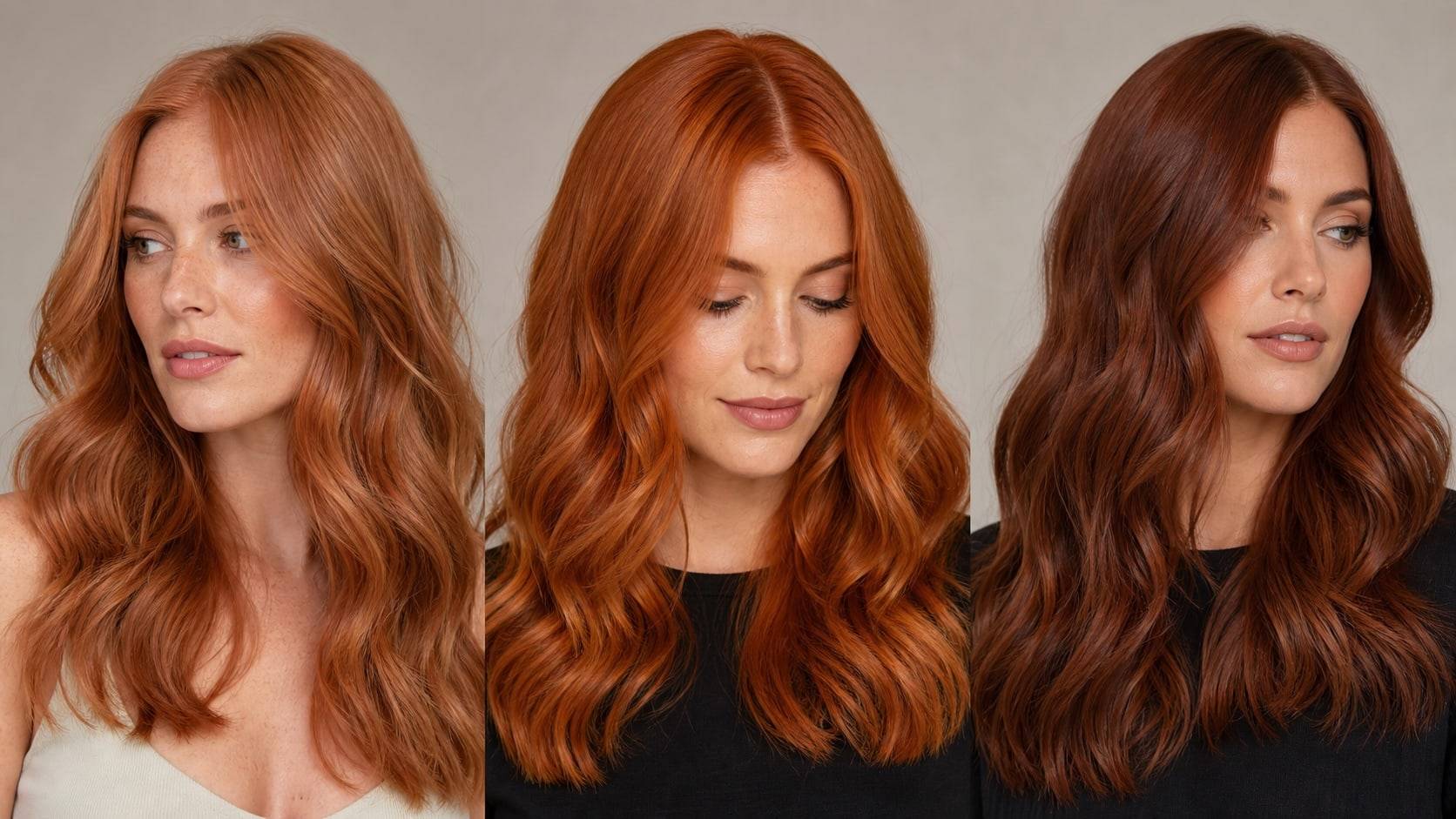
The biggest mistake is treating copper as one color. A strawberry copper on dark brunette hair, a true orange-copper on light brown hair, and an auburn copper on deeper hair are three different commitments. Before booking the appointment, compare shade families on your own photo in HairWow Try-On, then bring a focused brief to your stylist.
Key Takeaways
- Copper hair color is a warm red-orange family, not a single shade.
- Soft copper works best when you want warmth without a high-contrast red result.
- True copper is brighter and more noticeable, so it needs cleaner placement and more frequent glossing.
- Auburn copper is the most wearable option for brunettes who want depth and warmth.
- Your starting hair color matters more than the inspiration photo. Dark hair usually needs lift before a vivid copper result.
- Preview copper on your own face before committing, especially if you are changing from cool brunette, black, ash blonde, or highlighted hair.
Copper hair color works when the warmth looks intentional against your face, not when the shade is copied exactly from someone with a different base color and undertone.
What Is Copper Hair Color?
Copper hair color sits between red, orange, gold, and brunette. It can lean peachy, ginger, auburn, cinnamon, bronze, or terracotta. The final look depends on three things:
- how light your hair is before color
- how much orange, red, and gold are in the formula
- whether the copper is applied all over, as highlights, as balayage, or only around the face
That is why a photo reference can be misleading. Two people can ask for "copper hair" and leave with completely different results. One person may get a bright pumpkin-copper bob. Another may get a subtle copper brown gloss over brunette hair.
The decision is not only "Do I like copper?" The better question is: which copper level will make your skin, eyes, haircut, and daily wardrobe feel more balanced?
Which Copper Shade Should You Choose?
| Copper shade | Best for | What it looks like | Salon note |
|---|---|---|---|
| Soft strawberry copper | Blondes, light brunettes, first-time redheads | Peachy copper with a golden finish | Ask for a soft warm gloss or low-commitment toner if you are unsure |
| True copper | Light brown to medium blonde bases, bold color changes | Bright orange-red copper with high shine | Needs enough lift and clean toning so it does not look muddy |
| Auburn copper | Brunettes, deeper features, lower-contrast color changes | Red-brown copper with depth | Works well when you want warmth without becoming very bright |
| Copper brown | Medium to dark brunettes, office-friendly color | Brunette base with copper warmth | Good first step if vivid copper feels too strong |
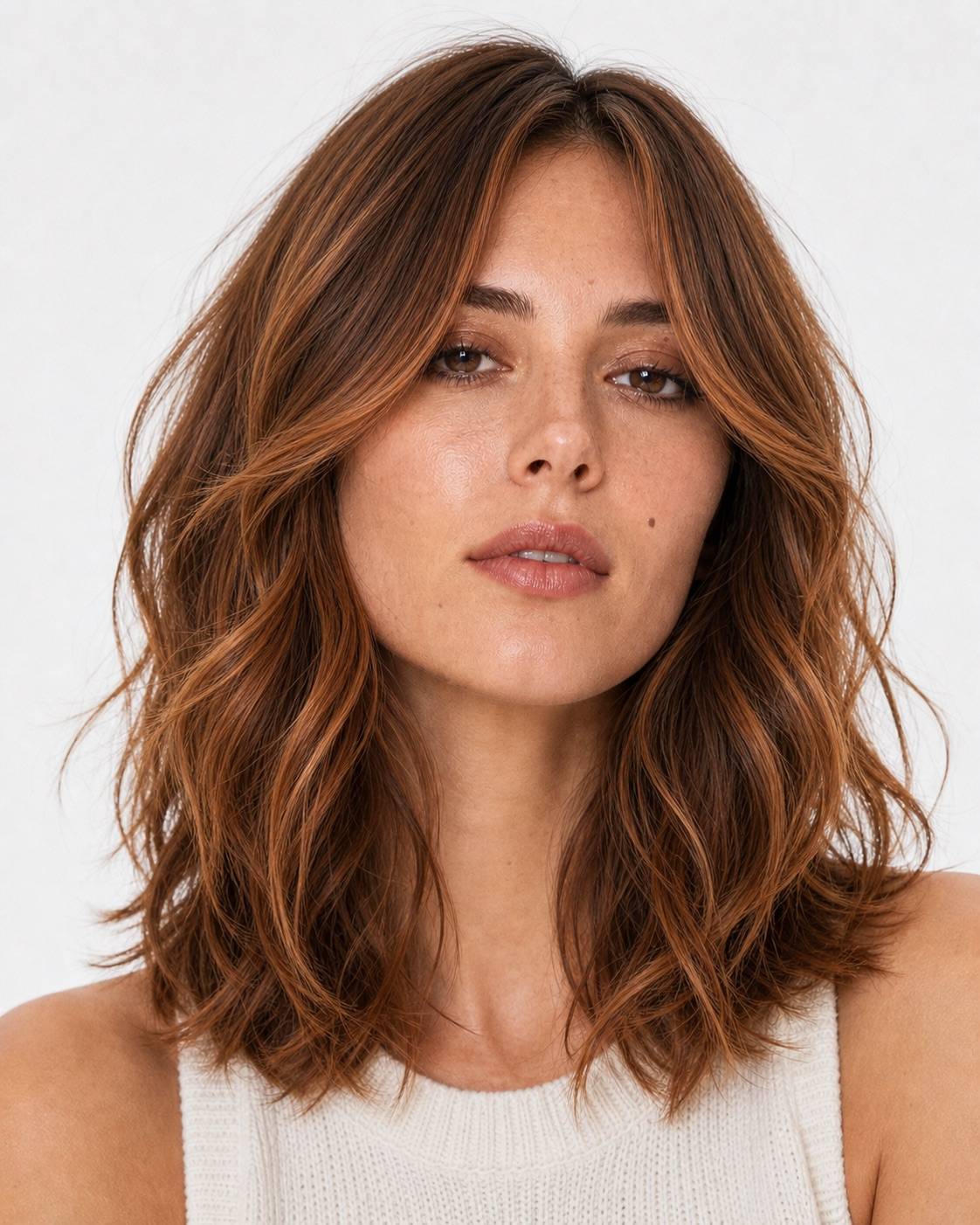
| Copper balayage | People who want softer grow-out | Copper through mids, ends, or face frame | Keep root depth if you want fewer salon visits |
| Copper money piece | People testing warmth around the face | Copper brightness near the front | Preview this carefully because it changes the face frame first |
For most people, the best first copper is not the brightest one. It is the shade that makes your existing haircut look fresher while still feeling believable on your face.
Quick Decision Checklist
Before you save a copper reference, answer these five questions:
| Question | Safer answer | Higher-commitment answer |
|---|---|---|
| How far is it from your current color? | One or two levels warmer | Several levels lighter or brighter |
| Where will the warmth sit? | Ends, gloss, or soft face frame | All-over roots-to-ends copper |
| How often can you refresh it? | Every 6 to 8 weeks | Every 4 to 6 weeks |
| Does it work with your brows? | Copper is close to your natural contrast | Hair is much warmer than brows and lashes |
| Can you explain it to a stylist? | You can name the shade family and placement | You only have one filtered inspiration photo |
If you are unsure on two or more rows, start with copper brown, auburn copper, or a gloss instead of a vivid all-over copper. You can always make the next appointment brighter after you see how the warmth behaves in daylight.
Skin Undertone And Copper Fit
Skin tone alone does not decide copper. Undertone and contrast matter more.
If your undertone is warm, copper usually feels natural because the hair color shares golden, peach, and orange warmth with your skin. You can often wear true copper, copper brown, or golden copper without the color looking disconnected.
If your undertone is neutral, you have the most flexibility. Soft copper, auburn copper, and copper balayage are usually easier than an all-over vivid orange-copper.
If your undertone is cool, copper can still work, but the shade needs more control. Choose deeper auburn copper, cinnamon copper, or a brunette copper gloss instead of a very bright orange result. A too-warm shade can make the skin look more pink or washed out in photos.
If you are not sure where you fit, start with your photo. Use HairWow's face-shape and style guidance to understand your face balance, then preview a few copper options in the try-on flow. The goal is to see whether the warmth frames your face or competes with it.
Starting Hair Color Changes The Plan
Your base color controls how much work copper requires.
For blonde hair, copper can take quickly and look vivid fast. The risk is going too orange or too flat. Ask for dimension, lowlights, or a gloss that keeps the color expensive instead of one-note.
For light brown hair, copper is often the sweet spot. You may be able to reach soft copper, true copper, or copper brown without an extreme change.
For medium brunette hair, auburn copper and copper brown are usually more predictable than bright true copper. If you want a brighter copper, your stylist may need to lift the hair first.
For dark brunette or black hair, vivid copper normally requires lightening. That makes the service more expensive, more time-intensive, and more maintenance-heavy. A copper balayage, copper gloss, or face-frame placement may be a smarter first step.
For previously colored hair, the result depends on what is already in the hair. Old black dye, box color, ash toner, and uneven highlights can all affect the copper result. Be honest with your stylist about your color history.
Placement Options
All-over copper is the clearest statement. It works well when you are ready for a visible identity shift and can maintain the color.
Copper balayage is softer. It keeps depth at the root and places copper through the mids and ends, which helps the grow-out feel less obvious.
Copper highlights add brightness without changing the full base. This is useful if your natural color is brunette and you want movement rather than a full redhead transformation.
A copper money piece changes the face frame first. It is high impact in photos, but it also puts the warmest color right next to your skin. Preview this before you commit.
A copper gloss is the lowest-drama option. It can warm up brunette, red, or blonde hair without a full lightening plan. The tradeoff is that the result may be subtle.
Maintenance Reality
Copper looks best when it is glossy. The color family is beautiful, but it can lose intensity faster than neutral brunette or dark blonde. Plan for upkeep before you decide how vivid to go.
| Decision | Lower-maintenance choice | Higher-maintenance choice |
|---|---|---|
| Brightness | Auburn copper or copper brown | True copper or vivid orange-copper |
| Placement | Balayage, gloss, or partial highlights | All-over copper |
| Root strategy | Keep natural root depth | Lift and color the full root |
| Refresh plan | Gloss every 6 to 8 weeks | Gloss or refresh every 4 to 6 weeks |
| Home care | Color-safe routine and less heat | Frequent hot tools and harsh shampoo |
If you swim often, heat-style daily, wash every day, or want a no-maintenance color, choose a deeper copper brown instead of a vivid copper. The shade can still read warm and current without needing constant correction.
For care questions around dryness, frizz, or damage, use HairWow's hair analysis route to understand what your hair visually needs before you stack a color service on top.
What To Ask Your Stylist
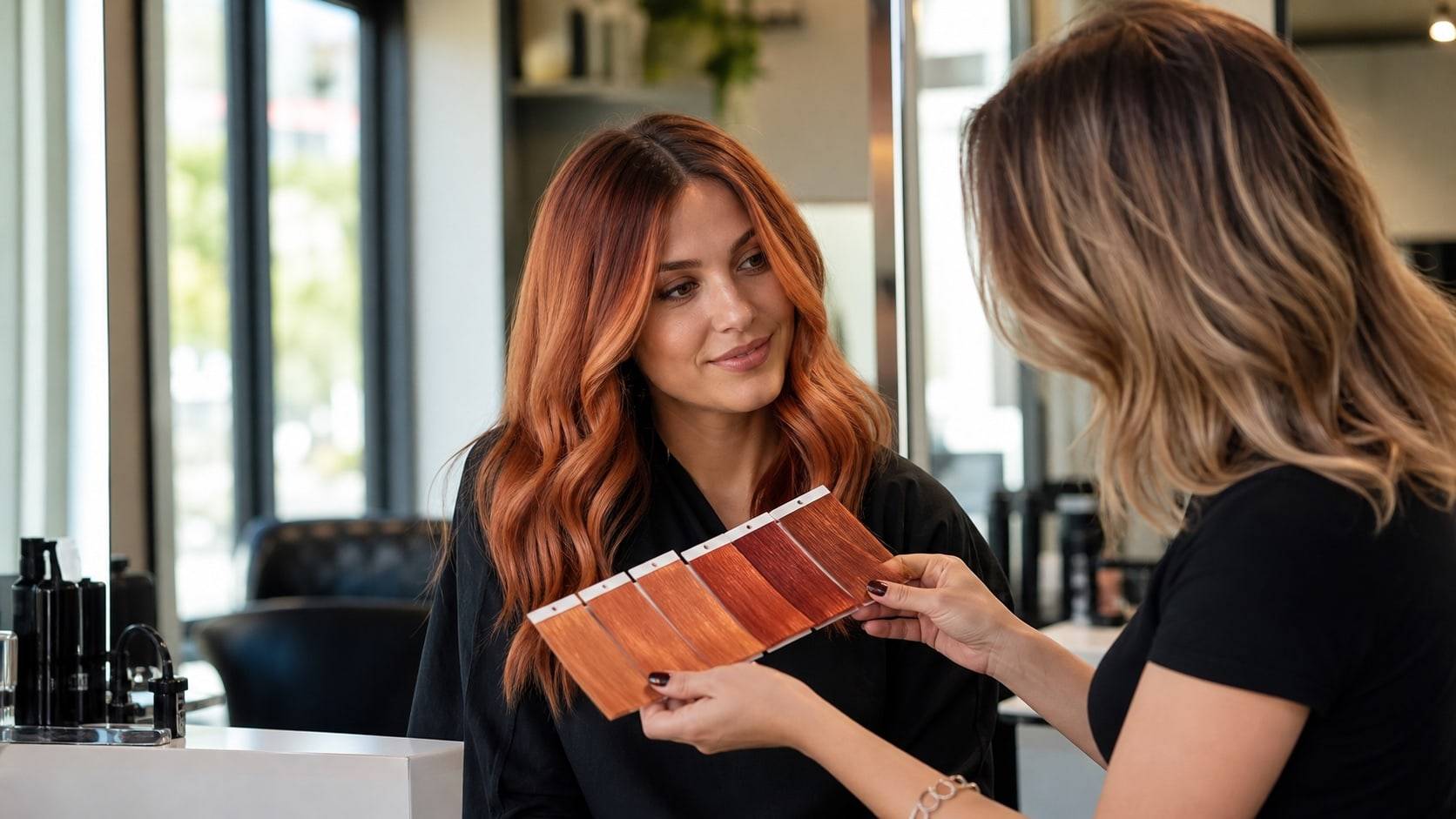
Bring two or three references, not twenty. Too many examples make it harder to identify the actual shade you want.
Use this salon brief:
"I want copper hair color, but I want it to suit my base color and skin tone. I like a dimensional result, not a flat orange result. Can we compare soft copper, true copper, and auburn copper, then choose the version that gives me the best grow-out?"
If you are brunette, add:
"I want to understand how much lift is required before we decide how bright to go."
If you want a lower-maintenance result, add:
"Keep some root depth and use copper through the face frame, mids, or ends so the grow-out is softer."
If you are worried about warmth, add:
"I want copper, but not a shade that turns too orange against my skin."
Common Mistakes
The first mistake is choosing a copper shade only from social media lighting. Warm indoor lights can make copper look richer than it will look in daylight.
The second mistake is ignoring your starting color. A copper formula on light brown hair will not behave the same way on dark box-dyed brunette hair.
The third mistake is asking for "natural copper" without explaining what natural means to you. Some people mean soft ginger. Others mean auburn brown. Others mean bright true copper.
The fourth mistake is going all-over copper when a copper gloss, balayage, or money piece would answer the real question with less commitment.
The fifth mistake is not previewing the face frame. Copper can change how your eyes, brows, lipstick, and clothes read in photos. A shade that looks great from the back can still feel too warm around the face.
The sixth mistake is forgetting the haircut. Copper makes layers, waves, bangs, and face-framing pieces more visible. If your current cut has heavy ends or an uneven grow-out, the new color may highlight that shape instead of hiding it.
Where HairWow Fits
HairWow is useful before a copper appointment because the decision is visual. You are not only choosing a formula. You are choosing how much warmth your face can carry, how the color works with your haircut, and whether the shade feels like you.
Use HairWow Try-On to compare:
- soft copper against your current hair color
- all-over copper versus copper balayage
- copper money piece versus full face-frame warmth
- auburn copper versus brighter true copper
- copper with your current haircut versus a new layered shape
- copper with your everyday lighting, not only salon lighting
Then save the version that feels most realistic and bring it to your stylist. You can also browse HairWow style ideas if you want to pair copper with layers, bangs, waves, bobs, or longer face-framing cuts.
For more decision guides before a haircut or color appointment, keep browsing the HairWow blog.
Frequently Asked Questions
Is copper hair color the same as auburn?
No. Auburn usually has more brown or red depth, while copper has more orange-gold warmth. Auburn copper sits between the two and is often easier for brunettes to wear.
Does copper hair work on dark hair?
Yes, but the result depends on how bright you want it. A copper brown gloss can work on darker hair with less drama. A vivid copper result usually needs lift first.
Is copper hair color high maintenance?
Bright copper can be high maintenance because the shine and warmth need refreshing. Copper brown, auburn copper, balayage, and gloss placements are easier to maintain.
What copper shade is best for cool skin?
Cool skin usually looks better with controlled warmth: auburn copper, cinnamon copper, or copper brown. Very bright orange-copper can be harder to balance.
Should I try copper hair before dyeing it?
Yes. Copper changes the face frame strongly, especially around brows, eyes, and skin tone. Previewing it first helps you decide whether to go soft, bright, deep, or partial.
Summary
Copper hair color is a strong choice when the shade, base color, placement, and maintenance plan work together. Start by choosing the copper family that fits your natural depth: soft copper for a gentle warm shift, true copper for a bold color change, auburn copper for brunette-friendly depth, or copper brown for the lowest-risk first step.
Before the appointment, preview the shade on your own photo in HairWow Try-On, then bring a short salon brief that explains the copper level, placement, and maintenance you actually want. That gives your stylist a clearer target and gives you a better chance of leaving with copper hair that feels intentional in real life, not just in one inspiration photo.