
Unlocking the Power of Short Protective Styles for Natural Hair
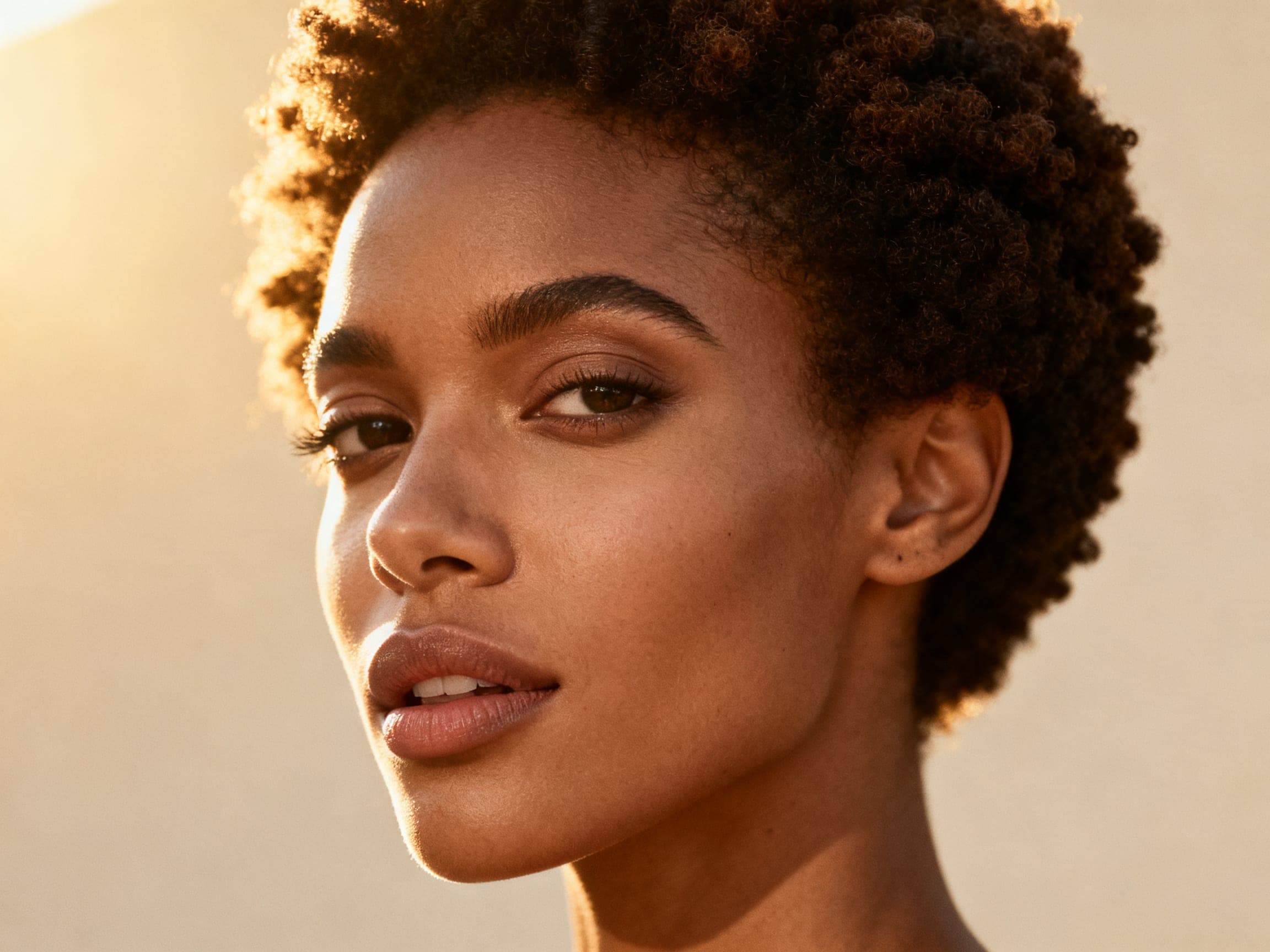
Remember the dread of wash day, or the endless hours spent twisting and tucking? What if we told you short hair could be your superpower, especially with the right protective style? Many believe short hair limits styling options, particularly when it comes to protection. But this couldn't be further from the truth.
The "big chop" isn't just a reset; it's an invitation to a world of healthy, manageable protective styles you might not have considered.
Is Short Hair Really Right for Protective Styles?
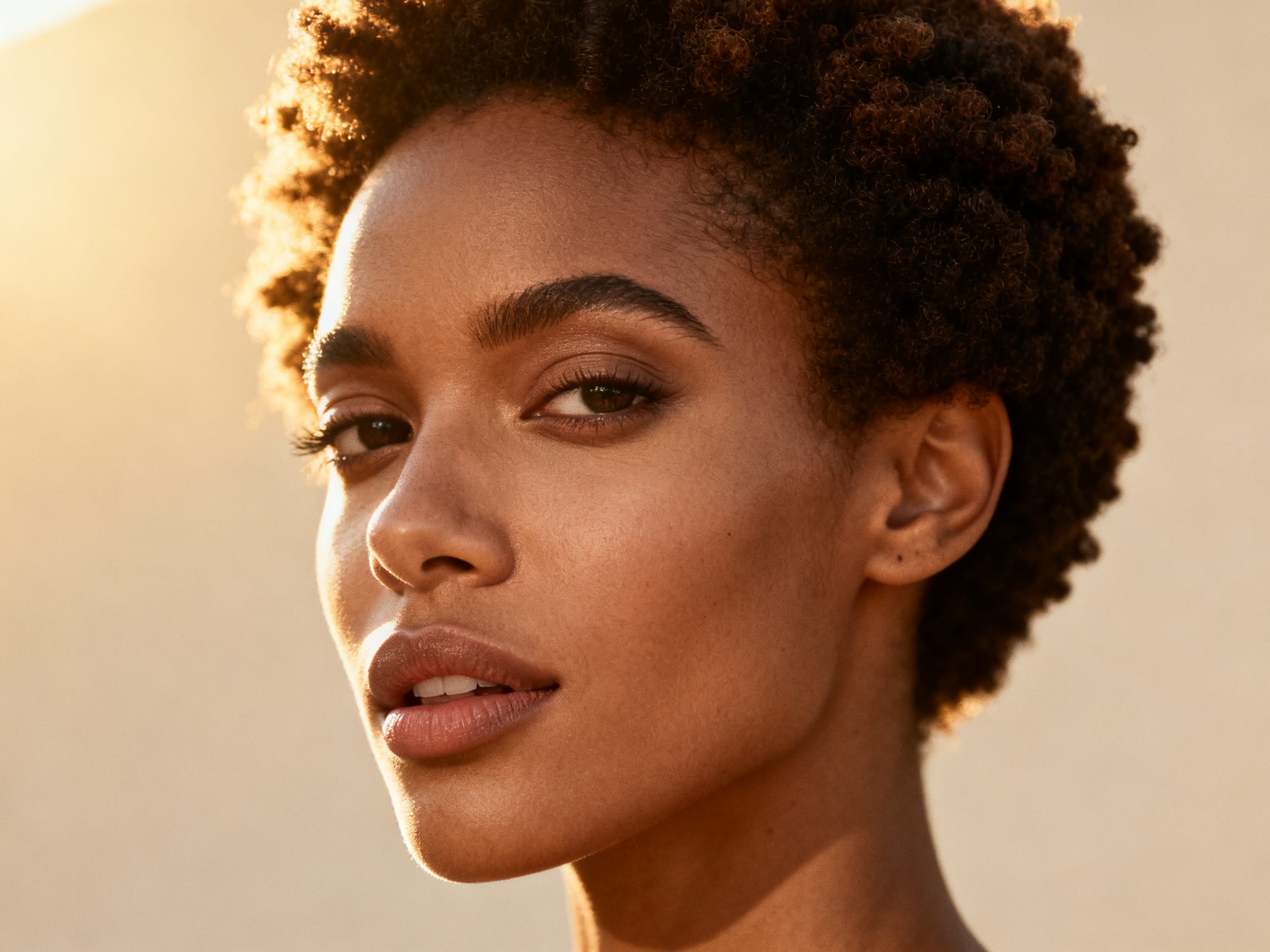
Absolutely! Short natural hair genuinely benefits from protective styles, often even more so than longer hair. One primary advantage is reduced tension on the scalp because there's less hair weight pulling on the roots. This can lead to less breakage and a more comfortable experience overall.
Protective styles help lock in moisture, crucial for natural hair, which is prone to dryness. By keeping strands tucked away, you minimize exposure to environmental stressors like friction from clothing or harsh weather. This environment promotes healthy hair growth, as your hair is less subjected to daily manipulation and damage. Imagine confidently choosing a short protective style knowing it will perfectly suit you. HairWow lets you realistically try on various short protective styles – from intricate cornrows to chic mini-twists – allowing you to see how they look on your unique face and hair texture before ever committing.
What Kinds of Protective Styles Work Best for Short Natural Hair?
For short natural hair, the options are surprisingly diverse and effective. You can categorize them into several types, each offering unique benefits and aesthetics.
Flat twists and cornrows are excellent for keeping hair neatly tucked away against the scalp, minimizing manipulation. Bantu knots, while a style in themselves, can also serve as a protective base for defined curls once unraveled. Mini twists and finger coils are fantastic for shorter lengths, offering definition and moisture retention while being relatively easy to install and maintain. Even sleeked-back styles, achieved with gels and scarves or headbands, can protect your ends from friction. Before any protective style, always cleanse, deep condition, and moisturize your hair to create a healthy foundation.
How Do I Choose the Right Short Protective Style for My Hair Type?
Selecting a protective style that complements your specific hair texture, density, and face shape is key to both aesthetics and hair health. If you have finer strands or a looser curl pattern (like 3C or 4A), styles like flat twists, mini braids, or Bantu knots might hold better and put less strain on your hair. For denser, kinkier textures (like 4B or 4C), cornrows, thicker twists, or even finger coils can offer robust protection and definition.
Consider your face shape too; for example, styles with some height or volume can elongate a round face, while side parts can soften a square jawline. Most importantly, listen to your hair. If a style feels too tight or causes discomfort, it's not the right one, regardless of how popular it is.
When Should I Get a Protective Style, and How Long Should I Keep It?
The ideal timing for a protective style often depends on your lifestyle and the season. Many people opt for protective styles in winter to shield their hair from dry, cold air, or in summer to manage frizz and enjoy low-maintenance vacation hair. As for duration, typically, protective styles are worn for 2 to 4 weeks. Keeping them in for too long can lead to matting, excessive product buildup, and even hair breakage, especially at the roots.
It's crucial to give your hair and scalp a break between styles, allowing for thorough cleansing, deep conditioning, and a period of manipulation-free rest. Signs it's time to take down a style include excessive frizz, scalp itching or tenderness, or if your new growth makes the style look messy or causes tension.
Why Is Aftercare So Important When Wearing Short Protective Styles?
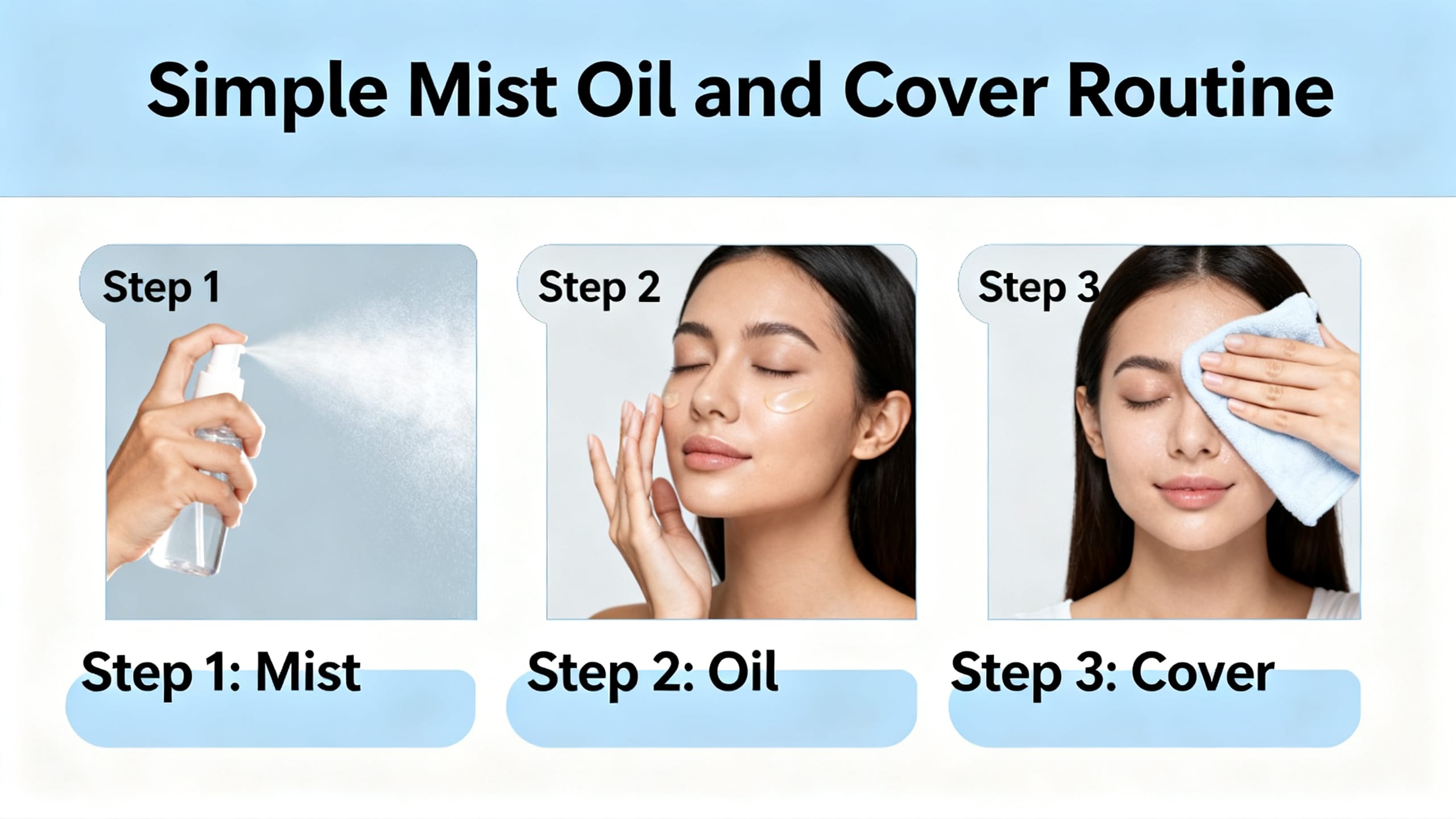
Aftercare is non-negotiable for maintaining hair health while your hair is in a short protective style. Even though your hair is tucked away, it still needs attention. Focus on moisturizing your hair regularly with water-based products or leave-in conditioners to keep it hydrated. Scalp oiling is also vital to prevent dryness and flakiness, using lightweight oils directly on your scalp.
For cleansing, opt for diluted shampoos or co-washes applied directly to the scalp, followed by thorough rinsing. Always sleep with a satin or silk bonnet or scarf to prevent friction and moisture loss overnight. Ever wonder why your scalp feels dry or flaky even in a protective style? HairWow's personalized Hair-Care Report can analyze your hair's specific needs – identifying issues like dryness, oiliness, or irritation – and provide clear, actionable routines, ensuring your hair and scalp remain healthy underneath any protective style.
Don't Just Get a Style, Master Your Hair Journey.
Short protective styles for natural hair are more than just a trend; they're a pathway to healthier hair, increased versatility, and true empowerment. They offer a break from daily styling, reduce breakage, and promote moisture retention, all while allowing you to express your unique style. Embrace the journey of experimentation and self-discovery. By consistently caring for your hair and making informed decisions about your styles, you're not just protecting your strands; you're celebrating your natural beauty.



Leave A Reply
Login to post your comment or signup if you dont have any account