
Images of a Fade Haircut: Your Visual Guide to Getting the Perfect Cut
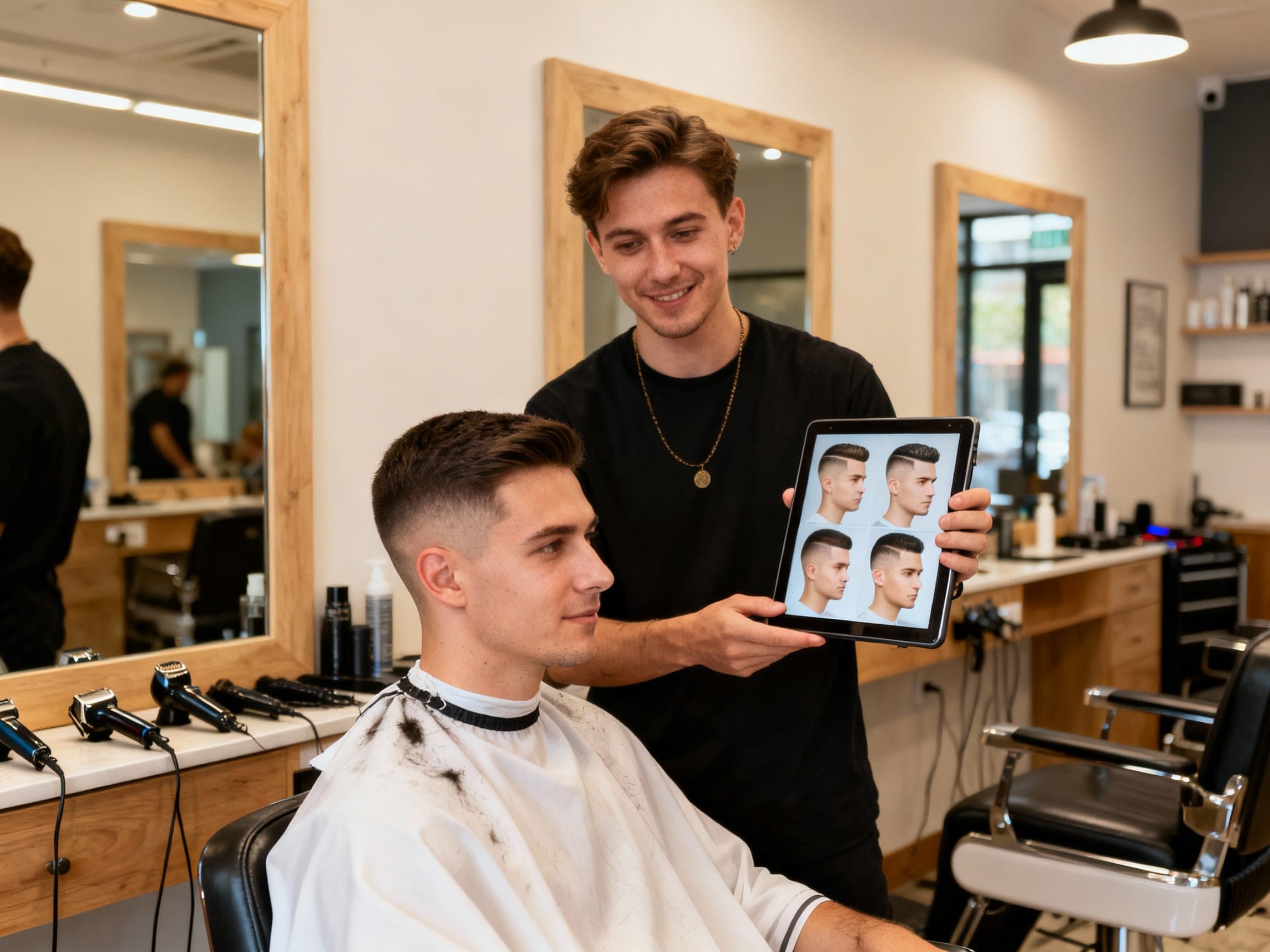
Ever walked out of the barbershop feeling like your "low fade" turned into a high-and-tight disaster? You're not alone. The disconnect between what you picture and what your barber delivers is a common frustration. This often stems from a simple misunderstanding: relying solely on words to describe something as visual as a haircut.
When it comes to a fade haircut, seeing is truly believing, and it's key to getting it right. Imagine being able to see that perfect fade on your own head before the clippers even come out – no more crossing your fingers and hoping for the best.
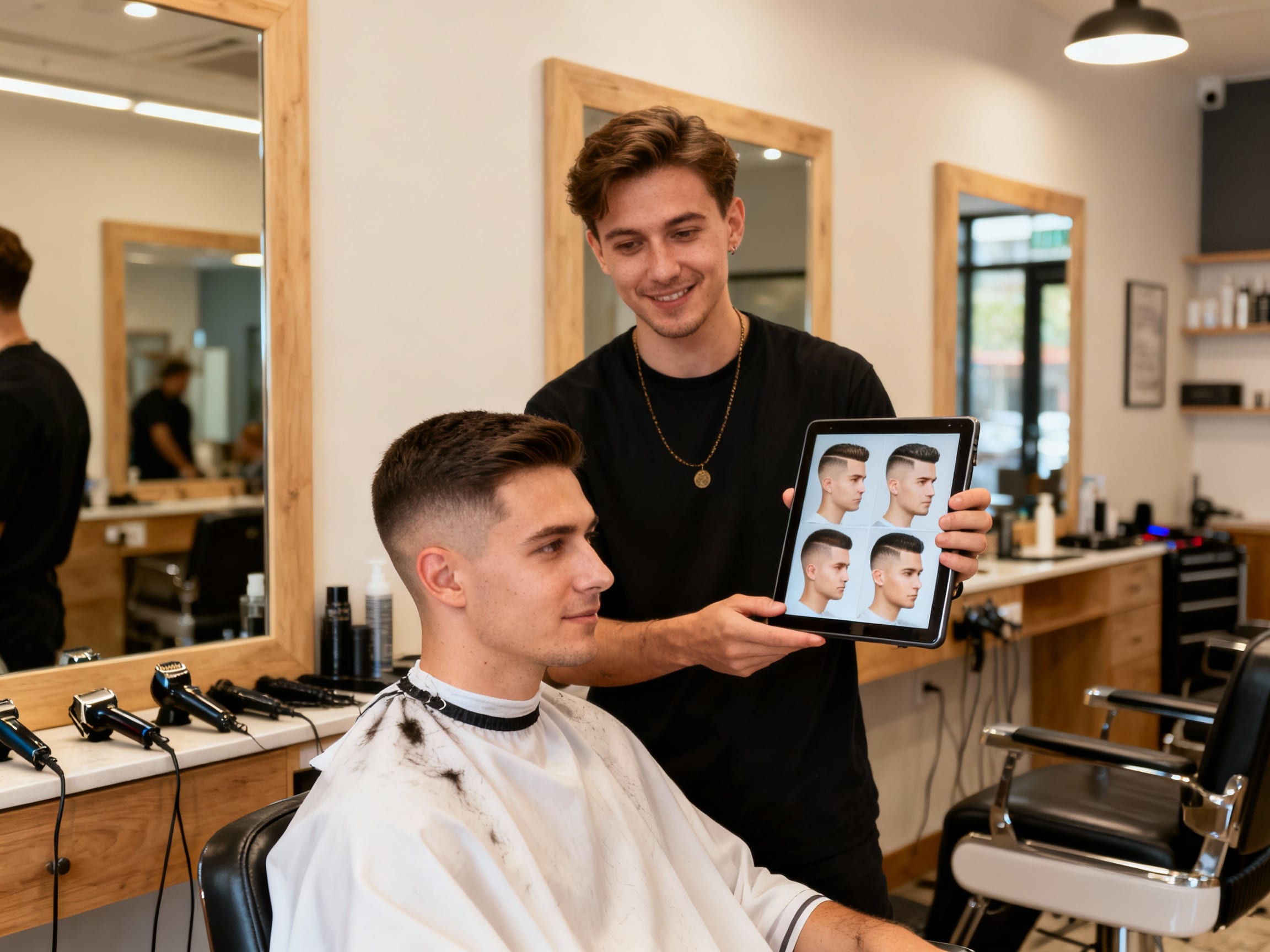
Why are visual examples so critical when asking for a fade?
Visual communication is paramount because terms like "low fade" or "mid fade" can have slightly different interpretations depending on the barber or even the region. A photo provides an unambiguous reference point, eliminating guesswork for both you and your stylist. Without clear visual examples, you might end up with a cut that's too high, too low, or not blended the way you imagined.
What kind of fade is right for you? Deciphering the "Low," "Mid," and "High"
The fade isn't just a haircut; it's a canvas with endless possibilities. The primary distinction lies in where the fade starts on the head and how quickly it transitions from short to long.
- Low Fade: This fade starts very low on the head, typically around the hairline or just above the ears. It offers a subtle, clean look while maintaining more length on the sides and back.
- Mid Fade: A mid fade begins higher, usually between the temples and the ears. It creates a noticeable contrast and is incredibly versatile, suitable for most face shapes and styles.
- High Fade: Starting high on the head, often above the temples, the high fade creates a dramatic, sharp contrast. It's bold and tends to make the top of the hair stand out more.
These can also be combined with variations like a "skin fade" (fading all the way down to the skin), a "taper fade" (a more gradual, subtle fade, often around the natural hairline), or a "drop fade" (where the fade line drops down behind the ear). Understanding these distinctions with visual aids is crucial. This is exactly where tools like HairWow shine. Instead of just guessing, you can virtually try on a "low fade with a disconnect" or a "mid-level skin fade" to see how it complements your unique face shape and head structure.
What are some creative or advanced fade styles, and how can I customize them?
Beyond the basic distinctions, fade haircuts offer incredible room for personalization. You can integrate fades with textured tops, from messy quiffs to slick-backs, or choose a sharp, defined part line. Fades also look fantastic with various hair textures. Whether you have curly, wavy, or straight hair, the fade can be tailored to enhance your natural texture, providing a clean frame for the longer hair on top. Some even incorporate intricate designs or patterns shaved into the faded area for a truly unique statement.
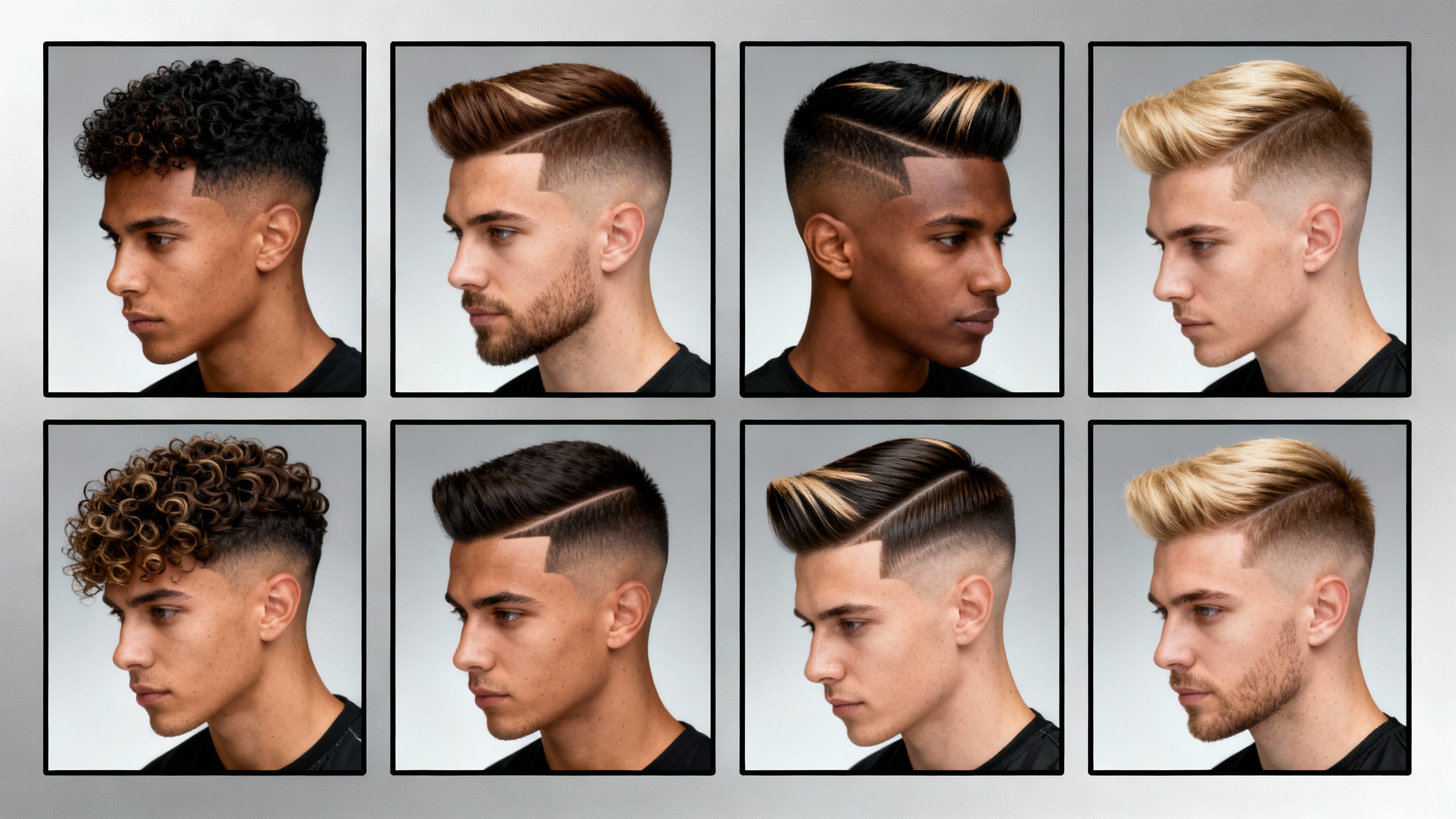
How do I clearly show my barber what I want, ensuring I get the fade I'm picturing?
The secret to a successful haircut appointment lies in clear, visual communication. Don't just rely on vague descriptions. Bring several reference photos that closely match the fade you're aiming for. Point to specific areas on the photos and on your own head to show where you want the fade to start, how high you want it to go, and the desired length of the hair on top. Discuss the blending technique – whether you prefer a sharp, disconnected look or a gradual, seamless transition.
Once you've found your ideal fade using HairWow's ultra-realistic try-on, you're not just limited to showing up with a screenshot. HairWow's unique Auto Stylist Brief feature generates a precise, detailed description for your hairstylist, minimizing guesswork and ensuring your vision is perfectly translated into a language barbers understand. This brief includes specifics on length, blend points, and desired texture, making sure you and your barber are always on the same page.
Your Fade, Your Way: Step Out Confidently
The perfect fade is within reach when you combine clear visual references with effective communication. Take the time to explore different styles, understand the terminology, and use tools that help you visualize the outcome. With the right preparation, you'll walk out of the barbershop not just with a haircut, but with the exact fade you envisioned, boosting your confidence with every step.



Leave A Reply
Login to post your comment or signup if you dont have any account