The Secret Behind the Perfect Cut: What to Know About Hair Styling Shears
Uncover why professional hair shears make all the difference in achieving a flawless haircut.

· 5 min read
On this page
Ever wondered why your salon haircut feels so much better than an attempt with kitchen scissors? It's not just about your stylist's skill (though that's a huge part of it!). A significant factor lies in the tools they use, specifically their hair styling shears. These aren't just fancy scissors; they're precision instruments designed for hair.
Why does my salon haircut feel so much better than my own attempts?
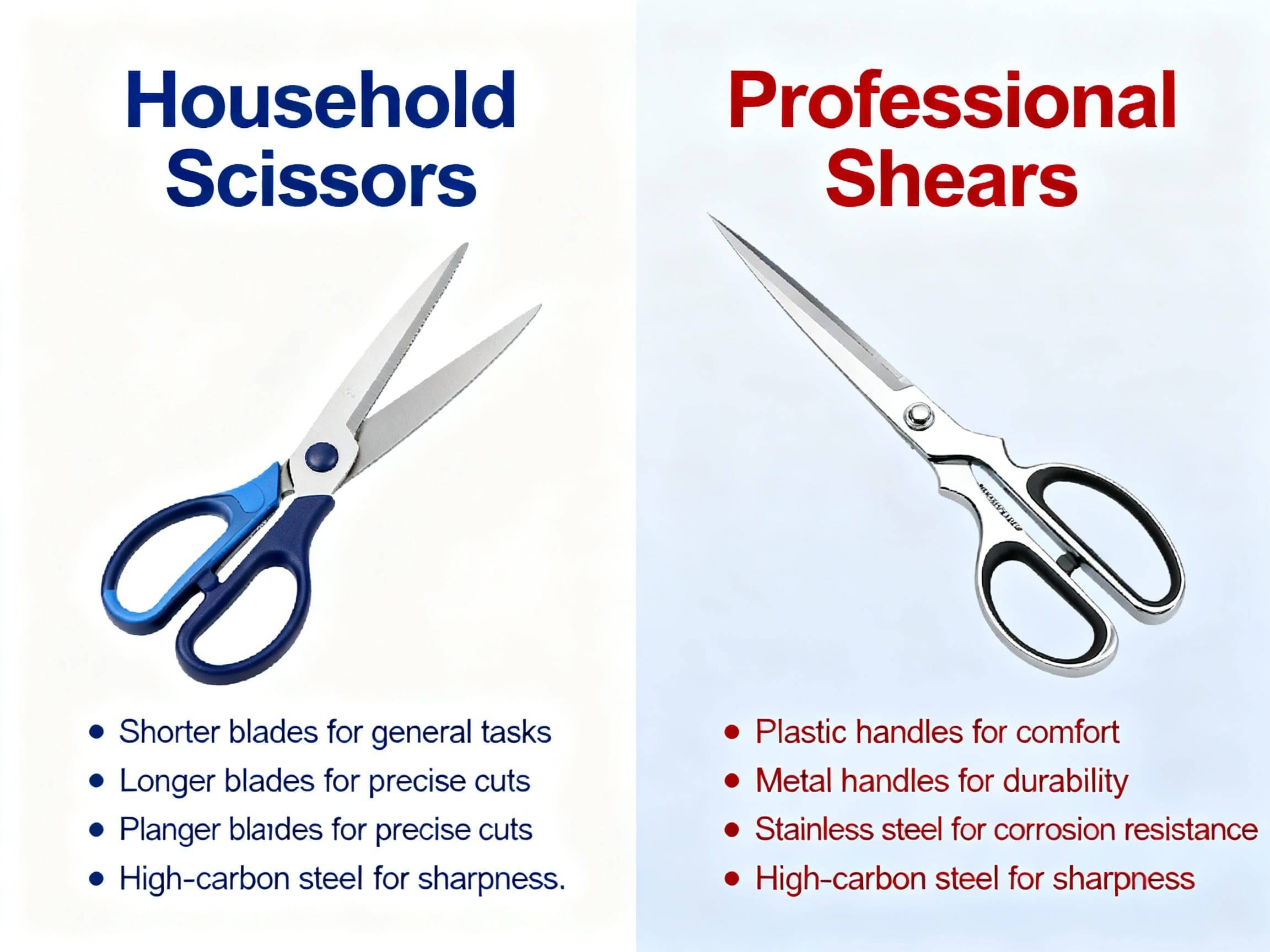
The fundamental difference between your household scissors and professional hair shears comes down to one key action: professional shears cut, while household scissors often crush the hair. Think about it—kitchen scissors are made to cut paper or food, not delicate strands of hair. Their blades are thicker and often not as sharp, leading to frayed ends, damage, and a generally uneven finish. Professional shears, on the other hand, boast razor-sharp blades that glide through hair, creating a clean, precise cut that helps prevent split ends and allows for healthier hair growth. They’re also ergonomically designed for stylists to use comfortably for hours, which contributes to their steady hand and precise work.
What even are hair cutting shears, really?
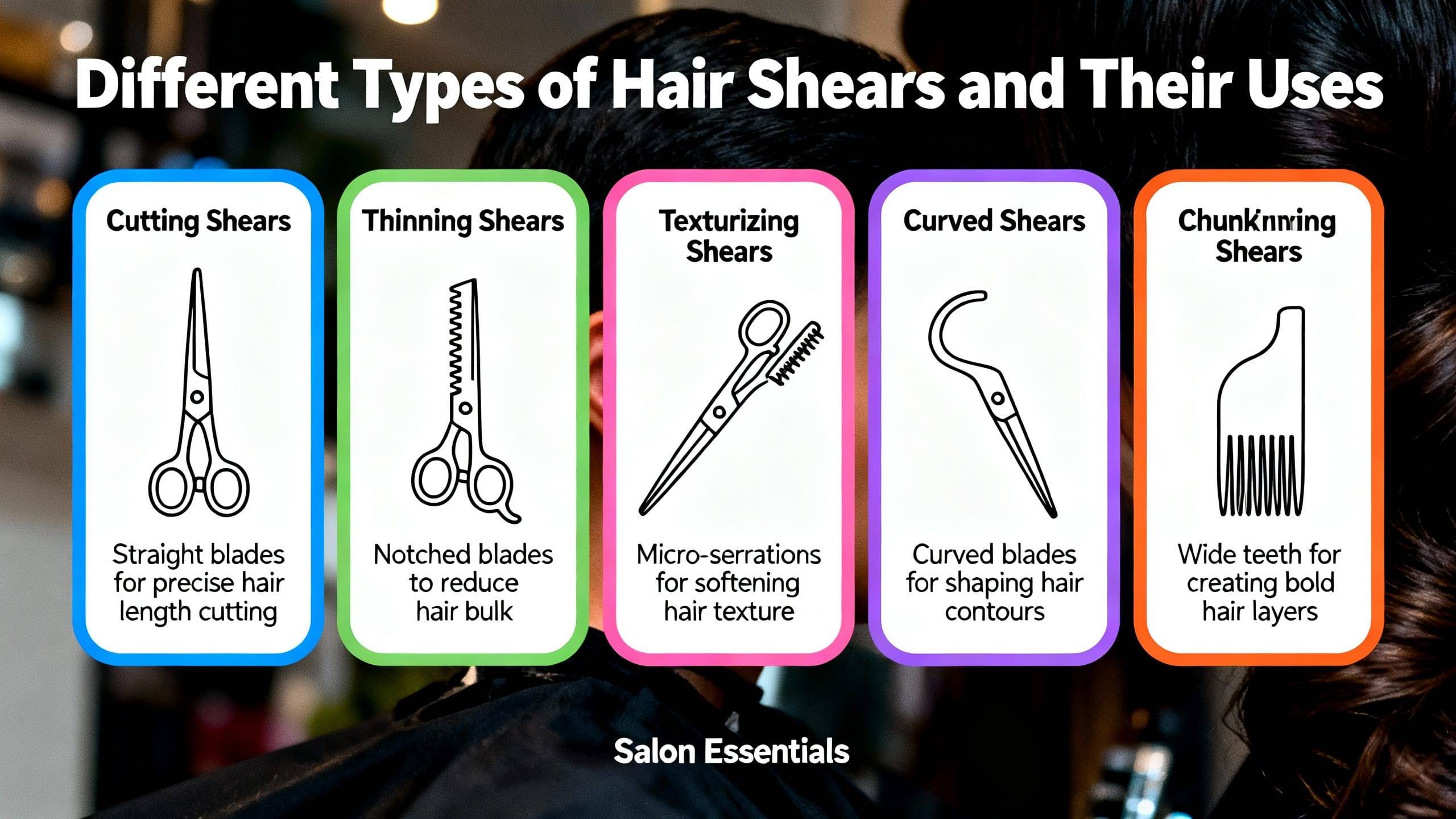
At their core, professional hair cutting shears are specialized scissors meticulously crafted for cutting hair. They have a distinct anatomy, including two blades, a pivot screw that controls tension, finger rests, and a tang (a small extension for added grip and control). While the basic design might seem simple, the nuances in their construction are what make them so effective. You'll find different types, like straight cutting shears for blunt lines, thinning shears to reduce bulk, and texturizing shears for adding movement and softness.
While HairWow lets you perfectly define your desired texture and layers, understanding shear types (like thinning vs. texturizing shears) helps you appreciate how your stylist executes those nuances. A precise Stylist Brief from HairWow gives them the clarity to pick the exact right tool.
What makes "good" hair shears any different from cheap ones?
The quality of hair shears varies dramatically, and this is reflected in their price and performance. The primary factors contributing to a "good" shear are the materials, manufacturing process, and blade type. High-quality shears are typically made from Japanese or German steel, known for their hardness and ability to hold a sharp edge. The best shears are often forged (hammered into shape) rather than cast (poured into a mold), which results in a stronger, more durable tool. Blade types also differ; convex blades, for instance, are incredibly sharp and allow for smooth, effortless cutting, while beveled blades are more robust for general cutting.
Professional-grade shears can range from a few hundred dollars to well over a thousand, reflecting the precision engineering and high-quality materials involved. Cheaper shears might use lower-grade steel or less refined manufacturing, leading to duller blades that can damage hair and require more frequent sharpening.
Do stylists really use different shears for different cuts?
Absolutely! A skilled stylist's toolkit includes a range of shears, each designed for a specific purpose.
- Cutting/Straight Shears: These are your all-rounders, used for creating blunt cuts, trimming overall length, and crafting clean lines.
- Thinning Shears: With one solid blade and one notched blade, these shears remove bulk without significantly altering the length of the hair. They're perfect for thick hair that needs to be lightened.
- Texturizing Shears: Similar to thinning shears but with wider teeth, texturizing shears create varying lengths within the hair, adding movement, softness, and volume.
- Long vs. Short Shears: Stylists often use longer shears for one-length cuts or when working with longer hair, as they can cover more ground. Shorter shears offer greater control and precision for detailed work around the ears, neck, or for intricate styles.
Each type allows the stylist to achieve specific results, contributing to the overall artistry of a haircut.
How can I make sure my stylist and I are on the same page about my cut?
Effective communication is the cornerstone of a great haircut. Instead of vague descriptions, bring reference photos, and don't hesitate to use basic hair terminology if you know it. Clearly explaining your desired length, layers, fringe, and overall texture will help your stylist understand your vision.
This is where HairWow shines. Instead of vague descriptions, you can show your stylist exactly what you want with photorealistic previews. Even better, HairWow's Auto Stylist Brief instantly translates your chosen look into precise details like "length, layers, fringe, texture, color notes," ensuring your stylist can pick the ideal shears to achieve your perfect, pre-visualized style. No more getting lost in translation!
The Bottom Line: Appreciating the Art and the Tools
The next time you sit in your stylist's chair, take a moment to appreciate the tools of their trade. Their shears are an extension of their skill and an investment in their craft. Understanding this helps you realize why a professional cut feels so superior.
Here are a few practical takeaways:
- Respect the tools: Your stylist's tools are an extension of their skill; respect their investment.
- Household scissors are a no-go: Never use household scissors on your hair for anything beyond a desperate quick trim (and even then, proceed with extreme caution!). You’ll only cause damage.
- Communicate clearly: Clear communication with your stylist is paramount – pictures speak louder than words when it comes to hair.
- Appreciate the craftsmanship: Investing in understanding the tools helps you better appreciate the craftsmanship and artistry of a great haircut.